

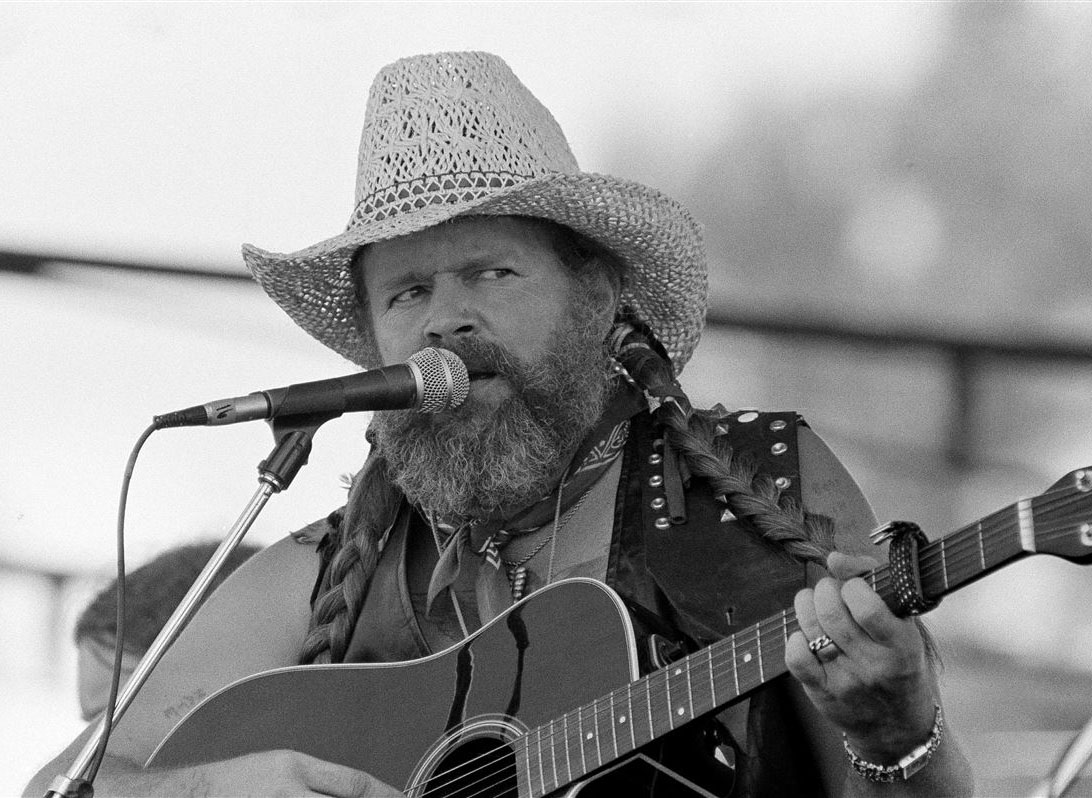
Photo Credit; Getty Images
David Allan Coe, the outlaw country singer known for penning "Take This Job and Shove It," has died at 86, his representative confirmed, marking the end of a decades-long and often controversial career rooted in the 1970s Nashville outlaw movement.
Born in Akron, Ohio in 1939, Coe spent much of his youth in reform school and correctional facilities before turning to music while incarcerated, eventually heading to Nashville after his 1967 release.
He emerged in the 1970s with a gritty, genre-blending style, writing hits for other artists including Johnny Paycheck's "Take This Job and Shove It" and Tanya Tucker's "Would You Lay With Me," while building his own outlaw persona onstage.
He became a defining figure of outlaw country alongside peers like Willie Nelson and Waylon Jennings, though his career was frequently overshadowed by criticism over recordings containing racist and offensive material that he later defended as satire or character-driven work.
In the 1980s, Coe reached mainstream country success with songs like "The Ride" and "Mona Lisa Lost Her Smile," the latter becoming one of his highest-charting singles and reinforcing his reputation as a storyteller with a darker, reflective edge.
He released more than 40 albums across his career, continued touring internationally, and remained a cult figure in country and rock circles despite periods of legal and financial trouble, including disputes over taxes and song rights.
Coe was married multiple times and had several children, including musician Tyler Coe, and is survived by his wife Kimberly Hastings Coe and his family.
Despite his polarizing reputation, Coe left a lasting imprint on country music, influencing generations of outlaw and alternative country artists with his raw storytelling, genre-crossing collaborations, and defiant public image.
His work continued to be rediscovered by younger audiences who separated his musical contributions from his controversies, ensuring his place in the broader history of American country music remains both complex and enduring. His legacy is often debated among fans and critics alike, reflecting the contradictions that defined much of his career and public persona over five decades in music in American popular culture and country music history.






