

Photo Credit; Getty Images
Saudi Arabia is set to withdraw its financial backing of LIV Golf at the end of the current season, creating uncertainty around the future of the breakaway tour.
The decision comes after years of heavy investment from the Saudi Public Investment Fund, which has poured billions into the league since its launch in 2021. A recent statement confirmed that the level of funding required going forward no longer aligns with the fund's evolving strategy, even though it highlighted the league's role in expanding golf's global reach.
As part of a broader restructuring effort, LIV Golf has introduced a new independent board led by experienced executives, with the aim of attracting alternative investors. Yasir Al-Rumayyan, who played a central role in founding the league, has stepped down from his position on the board. The organisation is now actively exploring options to secure long term funding and sustain operations.
Sources indicate that LIV Golf remains committed to its international format and team based structure. Discussions with potential investors are ongoing, and officials believe there is still commercial potential in the model. However, there is an acknowledgment that the scale of the tour may need to be reduced, with fewer events than the current schedule.
Recent scheduling changes have already raised questions about stability. A planned event in New Orleans has been postponed, leaving a gap in the United States calendar until August. During that period, tournaments are expected to take place in countries including South Korea, Spain, and the United Kingdom.
Financially, the league has faced significant challenges despite its ambitions. Losses have continued to mount in recent years, even as revenues show signs of growth. Executives have pointed to projections that suggest increased earnings in the coming season, while also claiming that several teams could become profitable.
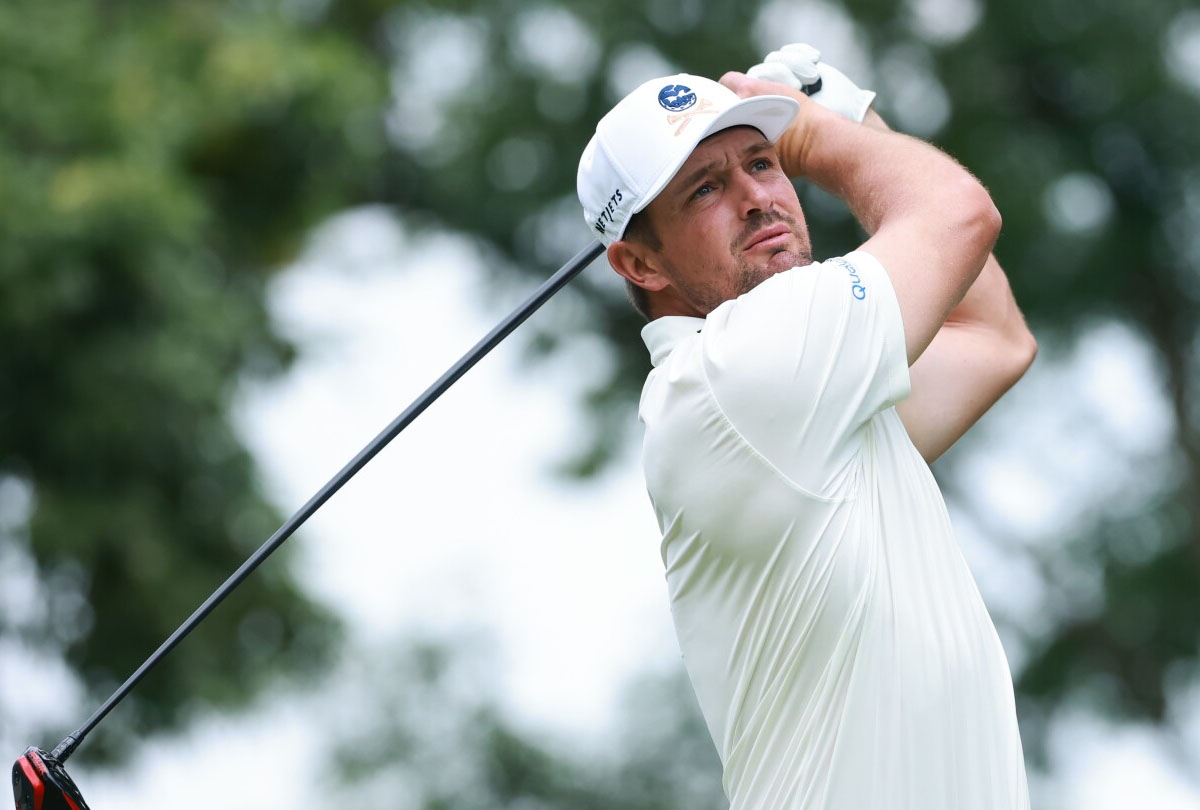
High profile players such as Jon Rahm, Bryson DeChambeau, Phil Mickelson, and Cameron Smith remain part of the tour, and some have expressed a commitment to helping it succeed. At the same time, reports suggest that certain players have explored opportunities to return to traditional tours, though the path for such moves remains unclear.
The withdrawal of Saudi funding marks a turning point for LIV Golf. While efforts are underway to secure new investment and reshape the league, its long term future now depends on whether it can adapt to a more sustainable financial model without its primary backer.