

Photo Credit; Getty Images
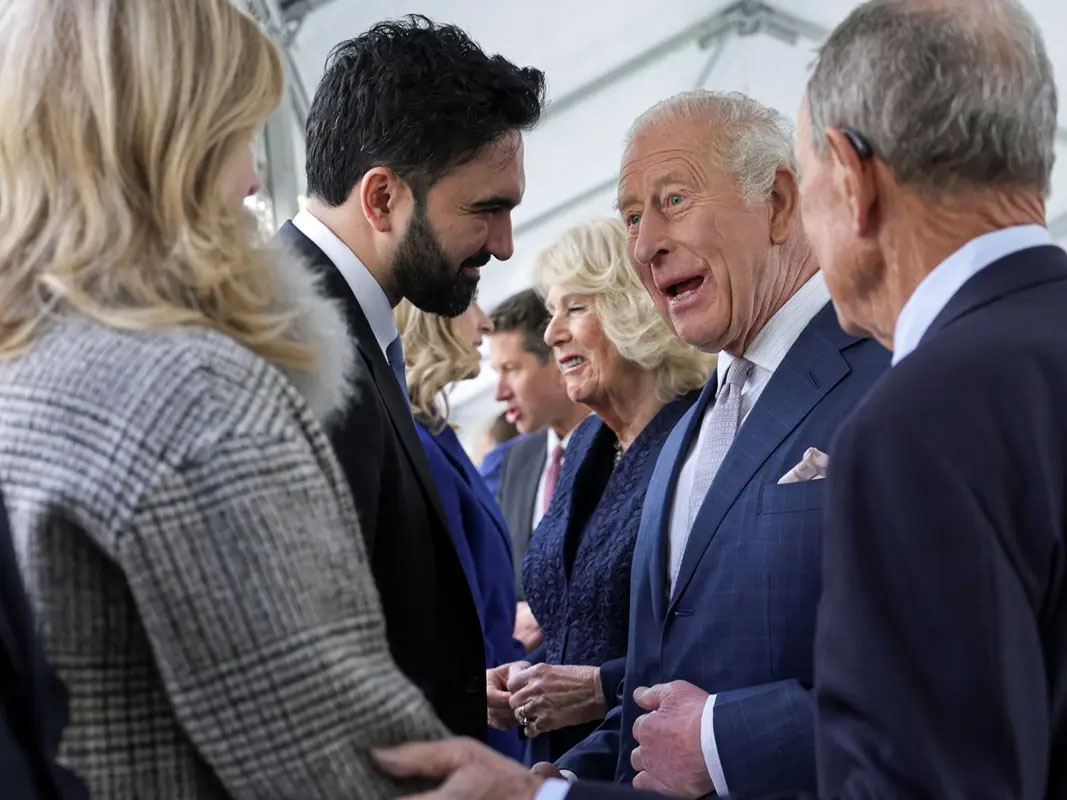
New York City Mayor Zohran Mamdani has called for the return of the historic Koh i Noor diamond to India just hours before meeting King Charles III at an event in New York City. The meeting took place during a ceremony commemorating victims of the September 11 attacks.
Speaking at a press conference before the event, Mamdani said that if given the opportunity to speak privately with the King he would encourage him to return the
diamond. The mayor who has Indian roots described the gem as a significant cultural artifact and aligned his remarks with longstanding calls from India for its repatriation.
The Koh i Noor diamond, a 105 carat gemstone currently part of the British Crown Jewels, has been at the centre of historical and political debate for decades. India has consistently maintained that the diamond was taken during British colonial rule and has described it as a valued piece of art deeply connected to its national heritage. Many in India view its continued possession by Britain as a symbol of colonial injustice and exploitation.
Although Mamdani later met King Charles at the public ceremony, it remains unclear whether the issue of the diamond was discussed. Photographs from the event show the two shaking hands, but neither the mayor’s office nor Buckingham Palace released details about their private interaction.
The diamond itself has a long and complex history. Known as the Mountain of Light, the Koh i Noor has passed through the hands of several rulers over centuries including Mughal emperors, Iranian conquerors, Afghan leaders and Sikh Maharajas. It was originally discovered in the Golconda mines in India and is believed to have weighed 186 carats before it came into British possession.
In 1849, following the Anglo Sikh war, the diamond was handed over to the British under a treaty signed by the young Sikh ruler Maharaja Duleep Singh, who was only ten years old at the time. The agreement has since been widely criticised as coercive, with historical accounts noting that his mother had been imprisoned prior to the signing.
The diamond was later displayed at the Great Exhibition in London in 1851 but failed to impress audiences due to its original cut. It was subsequently reshaped into an oval brilliant form, improving its brilliance but reducing its size by nearly forty percent.
Today, the Koh i Noor is set in the crown of Queen Elizabeth The Queen Mother and remains one of the most recognisable pieces in the Crown Jewels. It was worn during the coronation of King George VI in 1937 and later at the coronation of Queen Elizabeth II.
However, the diamond was notably absent from the coronation of Queen Camilla. Reports suggested that the decision was made to avoid diplomatic tensions with India, highlighting the continued sensitivity surrounding the gem.
Mamdani’s remarks have once again brought global attention to the issue, reigniting debate over colonial era artefacts and their rightful ownership.