
MESSI CALLS TIME ON ARGENTINA CAREER AFTER HEARTBREAK
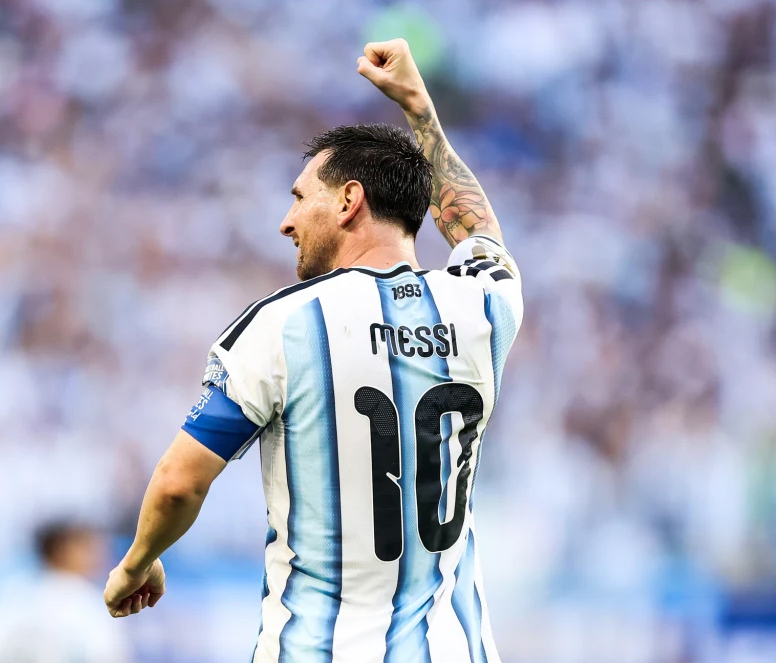
Photo Credit: Getty Images
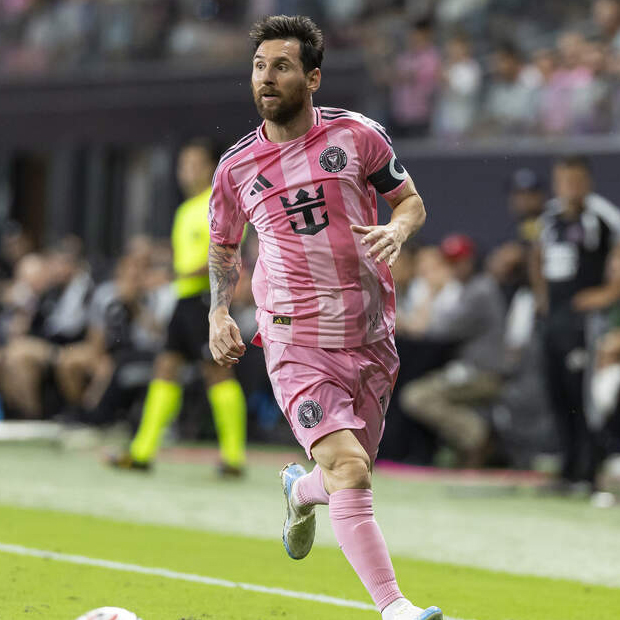
Lionel Messi has announced his retirement from international football, bringing an extraordinary chapter of his career with Argentina to an emotional close.
The Argentine superstar confirmed the decision on Monday, saying he had spent considerable time thinking about his future with the national team before concluding that the moment had arrived to step away. Messi admitted the decision was painful but said he was leaving with pride after giving everything to the national jersey throughout his career.
Messi's international journey has been defined by both disappointment and remarkable redemption. For years, the forward faced intense criticism from Argentine supporters as the national team repeatedly fell short in major competitions. Despite reaching several finals, Argentina struggled to convert opportunities into trophies, leaving Messi under enormous pressure.
That narrative eventually changed. Messi guided Argentina to Copa América glory in 2021 before helping the country win the 2022 World Cup in Qatar. He later added another Copa América title in 2024, cementing his status as one of the most decorated players in the history of Argentine football.
His achievements also include two World Cup Golden Ball awards, earned in 2014 and 2022, as well as the same individual honour at the 2015 and 2021 Copa América tournaments. Argentina also finished as runners up in the 2014 and 2026 World Cups, while Messi experienced Copa América final defeats in 2007, 2015 and 2016.
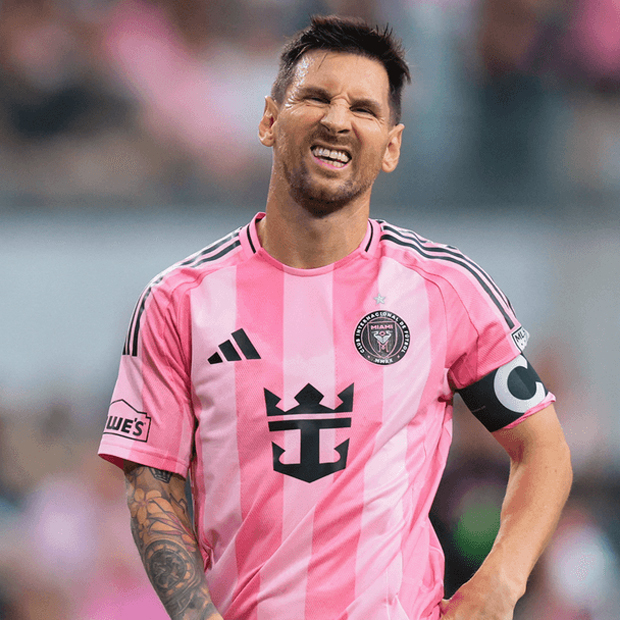
The latest World Cup final proved particularly difficult. Argentina lost to Spain, with Messi left visibly devastated on the pitch at the final whistle. The defeat came shortly before the death of his father, Jorge Messi, who had played a central role in managing his son's career.
In a recent tribute, Messi described his father as a crucial figure in his life and admitted uncertainty about continuing to play football following his loss.
Messi said he initially wrote his retirement statement shortly after the World Cup final, but his father's death reinforced his decision to leave international football.
The 39 year old thanked his family, teammates, coaches and officials while expressing particular gratitude to Argentine supporters. After years of carrying the expectations of a football obsessed nation, Messi said he would now support Argentina from outside the pitch.
His departure marks the end of an era for Argentina and one of football's most celebrated international careers.