

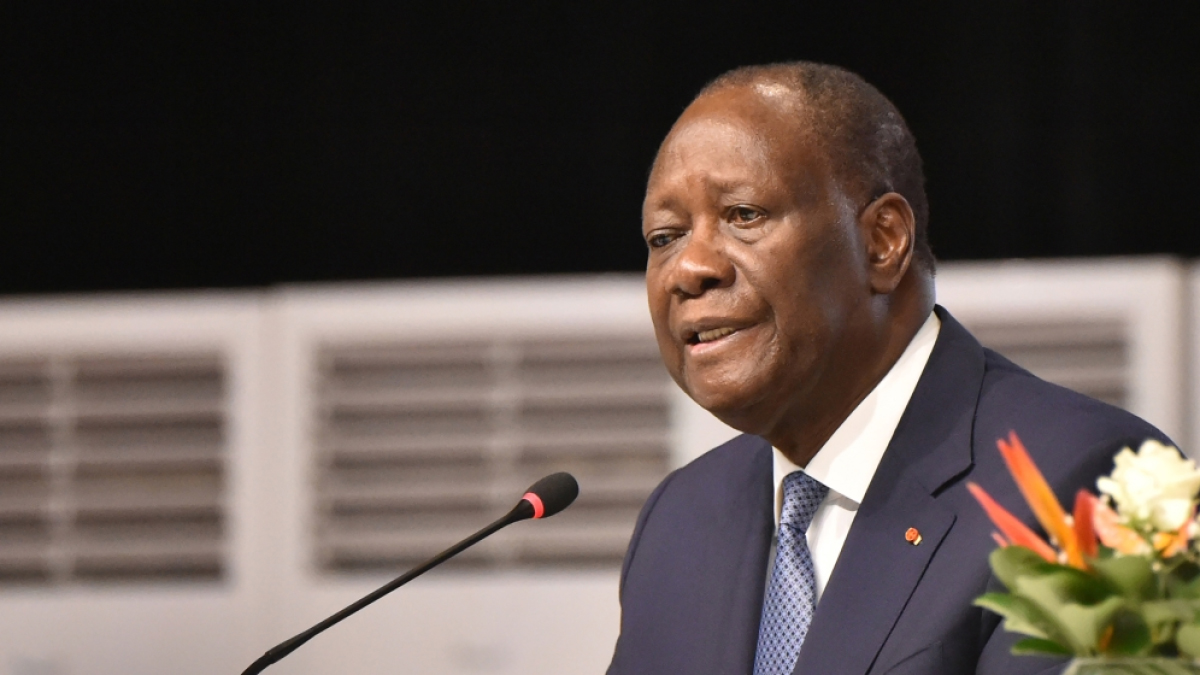
Photo Credit: Getty Images
At 83 years old, Ivorian President Alassane Ouattara is not yet ready to exit the political stage. Despite earlier pledges to hand over power, he has announced plans to seek re-election in October, a move that could cement his grip on power while reigniting debate over democratic stability in West Africa's top cocoa-producing country.
Ouattara's reputation as a skilled technocrat and economic strategist is undisputed. With a doctorate in economics and a past that includes leadership roles at the International Monetary Fund and the West African Central Bank, he has overseen a decade of robust growth. The International Monetary Fund projects the country's GDP to grow by 6.3% this year, consistent with the performance seen throughout his tenure.
However, his decision to run for a fourth term could stir old tensions in a nation still haunted by a legacy of political violence. His first election victory in 2010, marred by civil war and the refusal of then-incumbent Laurent Gbagbo to concede defeat, remains a stark reminder of the country's fragile democracy. Over 3,000 people were killed in that crisis, which only ended with Gbagbo's arrest.
This time, Ouattara faces a weakened opposition. High-profile challengers like Gbagbo and former Credit Suisse executive Tidjane Thiam have been ruled ineligible, clearing the path for another landslide. Critics argue this undermines democratic legitimacy, even as supporters applaud Ouattara for preserving peace and economic growth.
Analysts suggest his greatest achievements have come in stabilizing the economy and boosting Ivory Coast's international image. Yet, there are persistent concerns about social inequality and limited wealth distribution. As political scientist Geoffroy Julien Kouao noted, economic success must now translate into improved living standards for all citizens.
Ouattara's candidacy has revived questions about leadership succession. In 2020, he reversed his decision to step down after his chosen successor died unexpectedly, citing a constitutional reset as justification for a third term. That election saw deadly clashes and opposition boycotts, leaving lingering unease.
With few challengers left and a firm hold on state institutions, Ouattara is likely to win. But the path forward demands more than electoral victories. It calls for addressing the roots of political exclusion and ensuring that economic growth benefits not just the elite but the broader population.
As the country approaches another pivotal election, the spotlight is once again on whether stability can coexist with genuine democratic renewal.