

Photo Credit: Getty Images
Madagascar's president Andry Rajoelina has announced the dissolution of his government after days of youth-driven protests sparked by severe water and power shortages. The demonstrations, led largely by the country's younger generation under the slogan "We want to live, not survive," have been some of the most significant unrest since Rajoelina's re-election in 2023.
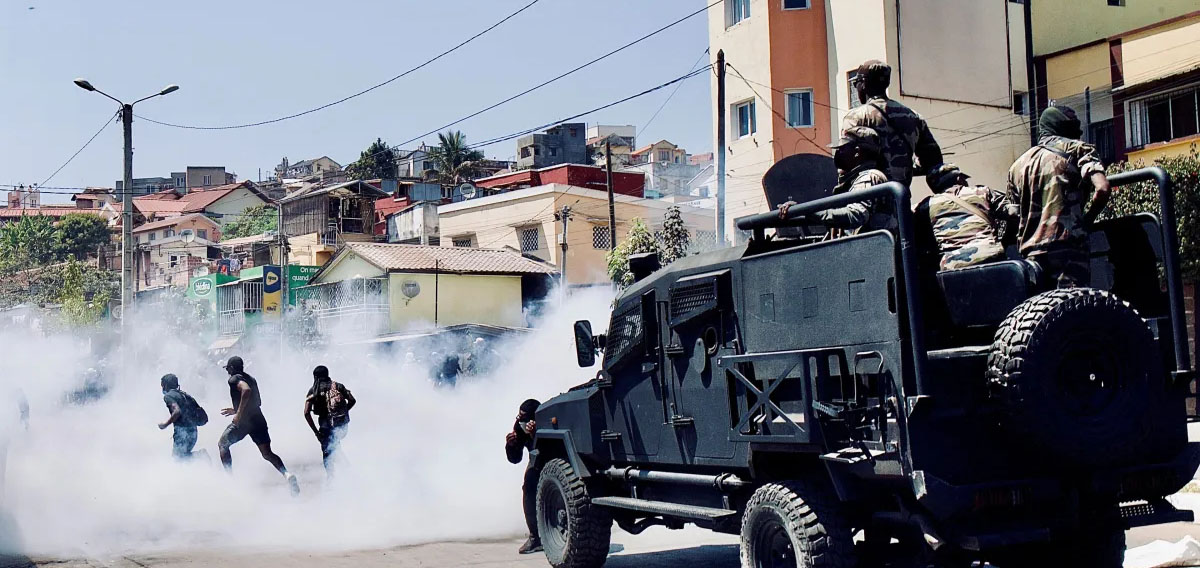
The protests began in the capital Antananarivo and quickly spread to several other cities, drawing thousands of demonstrators. Tensions escalated when security forces responded with rubber bullets and tear gas, and according to the United Nations, at least 22 people were killed and 100 injured. The UN condemned what it described as the "unnecessary and disproportionate" use of force. Madagascar's government, however, disputed the figures, claiming the reports were based on misinformation.
In a televised address, Rajoelina acknowledged the frustrations of the population, apologizing for the government's shortcomings. He confirmed the dismissal of the prime minister and cabinet, with interim ministers now overseeing operations until a new government is formed. The president invited applications for a new prime minister over the next three days, while also signaling his intention to engage directly with young people in dialogue.
The unrest reflects years of growing dissatisfaction in Madagascar, a nation with a history of political instability since its independence in 1960. Power cuts, water shortages, and economic struggles have deepened frustrations, especially among the younger population who make up the bulk of demonstrators. Protesters have demanded accountability and sweeping changes, insisting that the government step aside to allow for new leadership.
While the protests have largely been peaceful, there have been reports of violence and looting. Some allege that provocateurs were sent to incite chaos and weaken the credibility of the movement. Demonstrators insist their aim is not conflict but a restoration of dignity and rights.
The Gen Z-led movement has shaken the political landscape, posing the most significant challenge Rajoelina has faced during his presidency. Whether the dissolution of the government will quell the unrest remains to be seen, but it underscores the growing demand for change in a country long plagued by political volatility and economic hardship.