

Photo Credit: Getty Images
A cholera outbreak has swept through the Bukkuyum district of Zamfara State, northwest Nigeria, claiming at least eight lives and infecting more than 200 residents across 11 communities. The situation has been worsened by limited healthcare access and growing insecurity, which has prevented many villagers from reaching hospitals for timely treatment.
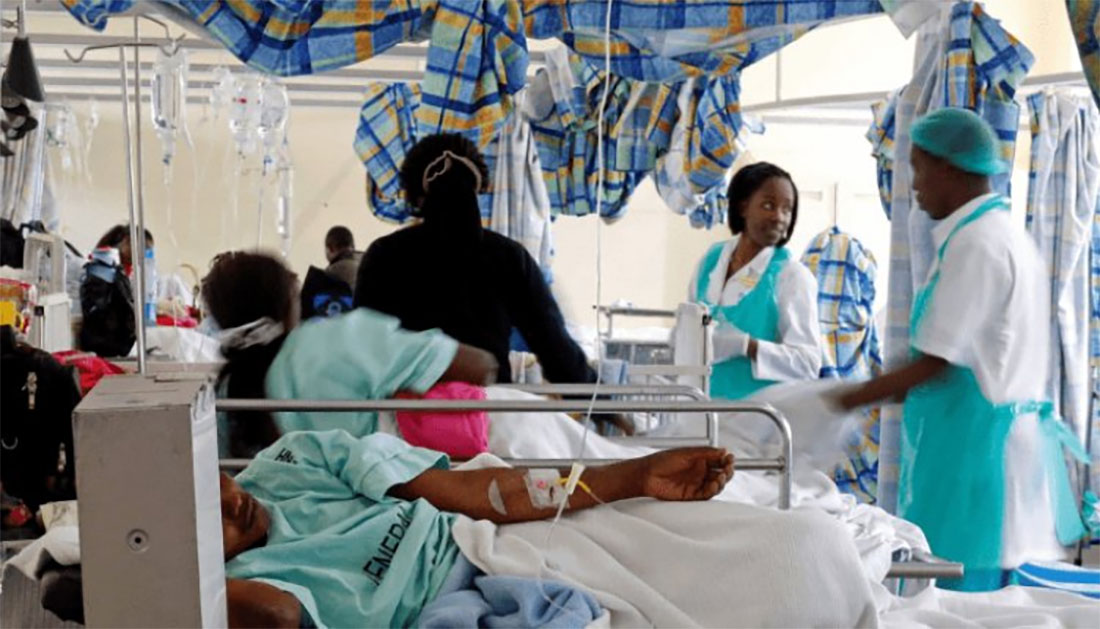
Cholera, a waterborne disease often linked to inadequate sanitation and unsafe drinking water, remains a persistent threat in Nigeria. In rural communities such as Nasarawa-Burkullu, Gurusu, and Adabka, the outbreak has overwhelmed residents, many of whom are being treated at home due to the absence of primary healthcare facilities. Village leaders reported heartbreaking scenes, with patients deteriorating while awaiting scarce medical supplies.
Muhammad Jibci, the village head of Gurusu, confirmed that 21 patients are currently admitted in his community alone, three of whom died before reaching Nasarawa General Hospital. Another resident, Ya'u Umar, described how 53 people in his village had fallen ill, but noted that bandit activity in the area has prevented them from seeking care in nearby cities. "We don't have medicine or drips. Bandits prevent us from going to the city," he said.
The security crisis in Zamfara further complicates the emergency response. Armed groups have repeatedly attacked villages, abducted residents, and disrupted farming, deepening the humanitarian crisis. For many communities, even basic access to safe water has become a struggle.
Federal lawmaker Sulaiman Abubakar Gumi has appealed for urgent intervention from both state authorities and international aid organizations. "Any delay will cost more lives, especially among women and children," he warned, calling for cholera treatment centers and emergency medical teams to be deployed immediately.
While state health officials have yet to issue a formal statement, the urgency of the situation is unmistakable. Without swift action, the outbreak could spread further, threatening thousands more.
For residents of Zamfara, the crisis is a grim reminder of how insecurity and poverty magnify the impact of preventable diseases. Clean water, medical supplies, and safe passage to treatment centers are critical, yet remain scarce. As families mourn their losses, the calls for immediate intervention grow louder, underscoring the need for a coordinated response to save lives in one of Nigeria's most vulnerable regions.