

Photo Credit: Getty Images
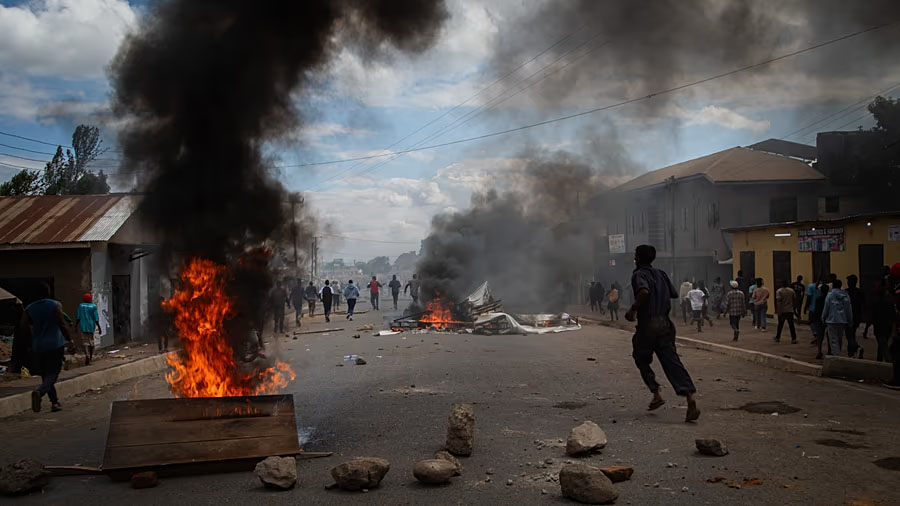
Tanzania, once praised for its peace and stability, now finds itself in the grip of unrest as protests sweep across major cities following a disputed presidential election. What was meant to be a moment of democratic expression has instead turned into a display of public frustration and deepening mistrust. The election, held under a climate of fear and tight control, has left many citizens disillusioned about the state of their democracy.
The country's military has been deployed to quell riots as tensions rise, an extraordinary sight in a nation better known for its safari tourism and calm coastal charm. President Samia Suluhu Hassan, the country's first female leader, faces fierce backlash for running virtually unopposed after key opposition figures were silenced, jailed, or barred from running. Her bid for another five-year term is seen by critics not as an election but a coronation. Opposition leader Tundu Lissu remains imprisoned under charges of treason, while another candidate, Luhaga Mpina, was disqualified entirely.
Rights groups, including Amnesty International and the United Nations, have documented a disturbing trend of enforced disappearances, arbitrary arrests, and restrictions on free speech in the run-up to the vote. Internet blackouts have further heightened suspicion, with citizens relying on patchy access to stay informed about results. The International Crisis Group has described Hassan's rule as an "unprecedented crackdown" on political opposition and freedom of expression.
Tanzania's ruling party, Chama cha Mapinduzi (CCM), has governed since independence, earning comparisons to other entrenched liberation movements that have resisted democratic transitions. But the current wave of dissent reveals a younger generation's impatience with authoritarianism. Across Africa, youthful movements in Uganda, Kenya, and Madagascar have pushed back against long-standing regimes. Yet Tanzania's political machinery remains deeply entwined with state institutions, making reform difficult.
For now, the government's response seems to rely more on suppression than dialogue. Soldiers continue to patrol city streets, and gunfire occasionally pierces the silence of curfews. Whether this unrest marks the beginning of a genuine democratic awakening or merely another chapter of repression will depend on how long the people's anger can endure against a system that has resisted change for over six decades.