

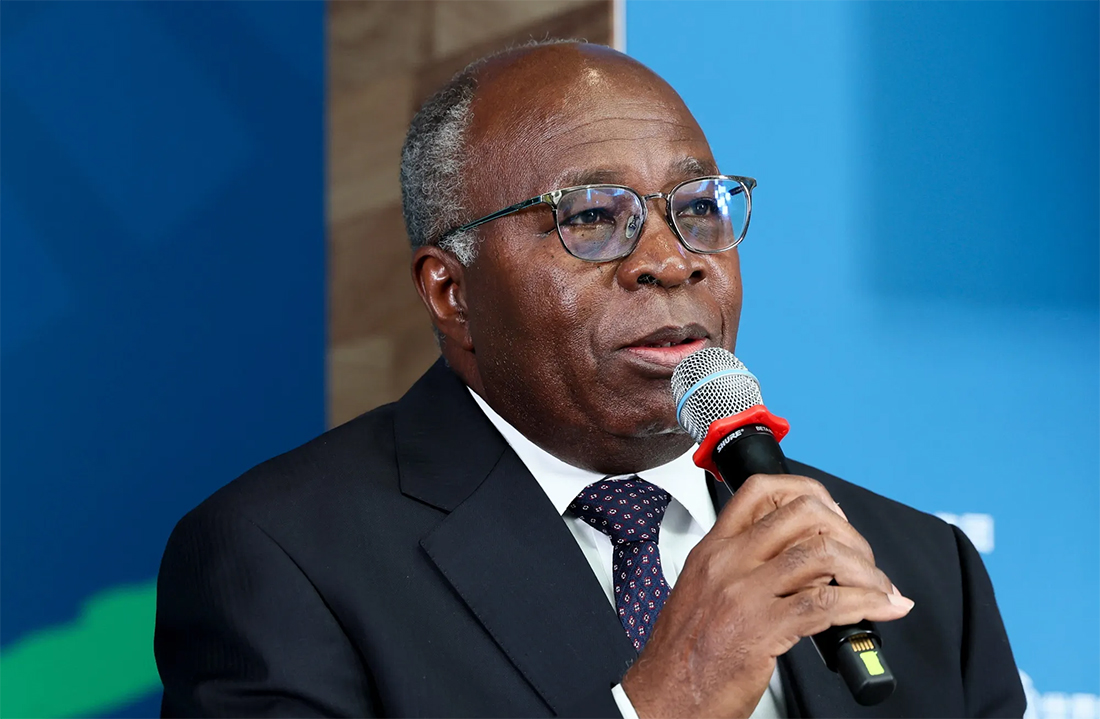
Photo Credit: Getty Images
Zambia has formally announced its intention to extend its current loan arrangement with the International Monetary Fund (IMF) by an additional 12 months, with the hope of securing a further $145 million in financial support. This move signals the southern African nation's continued effort to restore fiscal stability and reassure creditors amid ongoing debt challenges.
Since the approval of the $1.7 billion Extended Credit Facility programme in 2022, Zambia has already received approximately $1.55 billion. Finance Minister Situmbeko Musokotwane emphasized at a recent press briefing that the IMF programme has served as an important anchor for prudent financial management. He stated that the additional funding would help sustain the country's economic recovery and safeguard donor confidence, which remains tightly linked to the IMF's involvement.
Zambia's debt crisis emerged after years of overborrowing, worsened by the pandemic and global economic shocks. The country became the first African nation to default on its sovereign debt during the COVID-19 era. Since then, its government has taken steps to engage with lenders, restructure debt, and restore international trust in its economy. The IMF arrangement has played a central role in these efforts, acting as both a financial mechanism and a signal to markets that Zambia is committed to reform.
Musokotwane warned that allowing the IMF programme to expire in October would jeopardize more than just funding. Several international donors have made their support conditional on Zambia's continued compliance with IMF guidance. With this in mind, the finance ministry has begun talks with IMF officials to ensure the extension request is reviewed and approved during the next evaluation phase.
Zambia's request has had immediate market implications. According to data from LSEG, Zambia's dollar bonds saw a modest uptick following the announcement, with the 2053 maturity bond rising slightly in value. This indicates cautious investor optimism and a broader acknowledgment that Zambia remains on a reform-focused path.
The IMF, in a brief statement, confirmed receipt of the extension request and said discussions are ongoing. While the next steps depend on technical evaluations, Zambia's case presents a hopeful example of a debt-burdened economy actively seeking to mend its fiscal landscape.
For now, the nation remains in a delicate balance—striving to meet creditor demands while fostering domestic development. The IMF extension could be a crucial step forward.