

Photo Credit: Poolman Andrea
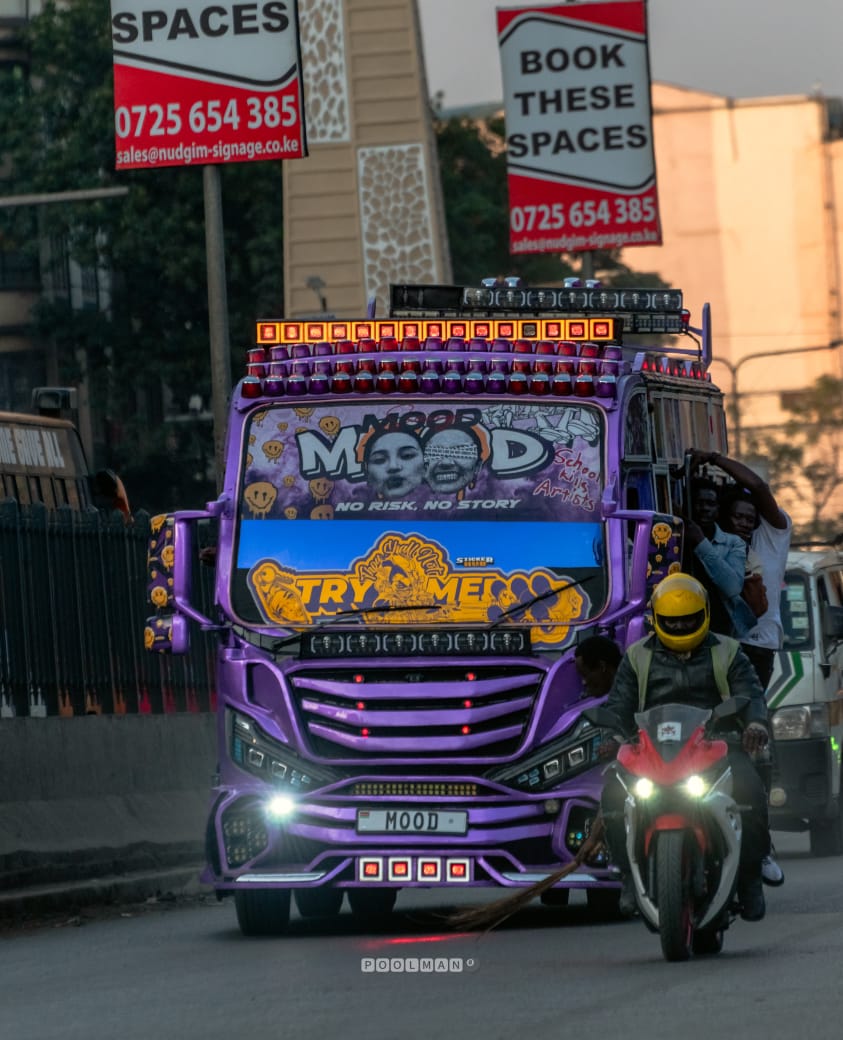
Nairobi’s Central Business District came to a standstill on July 18, 2025, as George Ruto, son of Kenya’s President William Ruto, unveiled his jaw-dropping Ksh14 million matatu, aptly named Mood. What began as a concert at the Kenyatta International Convention Centre (KICC) quickly transformed into a full-scale celebration of Nairobi’s legendary matatu culture — and a lightning rod for political commentary.
The event kicked off with a short prayer and anointing of Mood, followed by an explosive youth-centered concert. Hundreds of fans, mostly young people, packed the KICC grounds to support George Ruto’s newest entry into the flamboyant ‘Nganya’ universe. As the night progressed, Mood rolled out for a drive through the CBD, cheered on by euphoric fans and trailed by a convoy that caused massive traffic congestion deep into the night.
Inside Mood, the experience is as lavish as its price tag suggests. It boasts custom bucket seats, each with cup holders and charging ports, full air conditioning, solar power, a push-to-start ignition, and even a deejay mixing deck — all features nearly unheard of in standard public transport. The vehicle also sports a custom NTSA-approved number plate and fits neatly into George’s growing high-end fleet, which includes the equally famous Manifest (also known as Moneyfest).
As Nairobians took to social media, reactions to Mood and the entire spectacle were sharply divided. Many praised the creativity, the investment, and the celebration of matatu culture — a culture long embraced by the youth for its raw authenticity and street ingenuity. Thousands danced in the rain to Arbantone beats, climbing atop Mood in an unforgettable night of music, lights, and city pride.
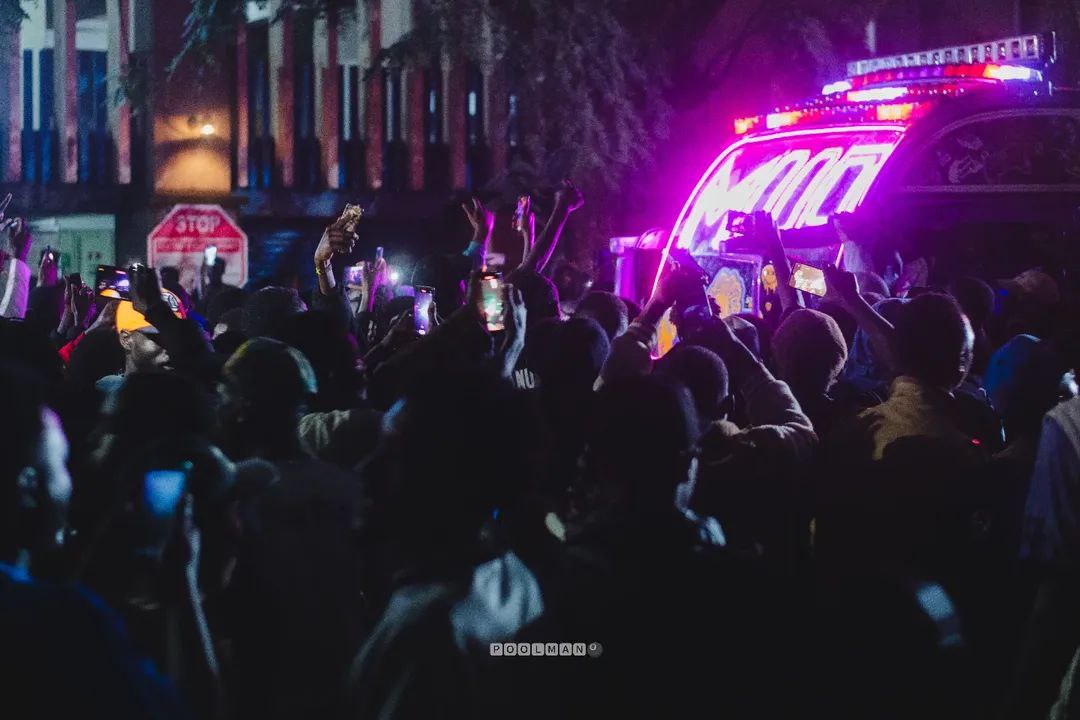
Photo Credit: Poolman Andrea
But the night was not without tension. Reports of rowdy behavior and warnings about thugs in the CBD prompted safety concerns, with some residents accusing the authorities of turning a blind eye. Others saw the event as a clever political maneuver. Activist Hanifa Adan accused George of exploiting the youth’s culture for political mileage, echoing sentiments from critics who believe this was less about business and more about strategic 2027 vote-hunting.
Politician Booker Omole dismissed the launch as yet another display of dynasty excess, saying, “We need dignified mass transport — not a corrupt dynasty where George Ruto buys buses worth Ksh15 million, funded by looting.”
Yet not everyone agreed. Kibera-born rapper Octopizzo defended the event, highlighting the matatu industry’s impact as an economic engine. “From graffiti artists to DJs, it’s a thriving ecosystem,” he wrote. “Let’s not demonize George for investing in something he loves.”
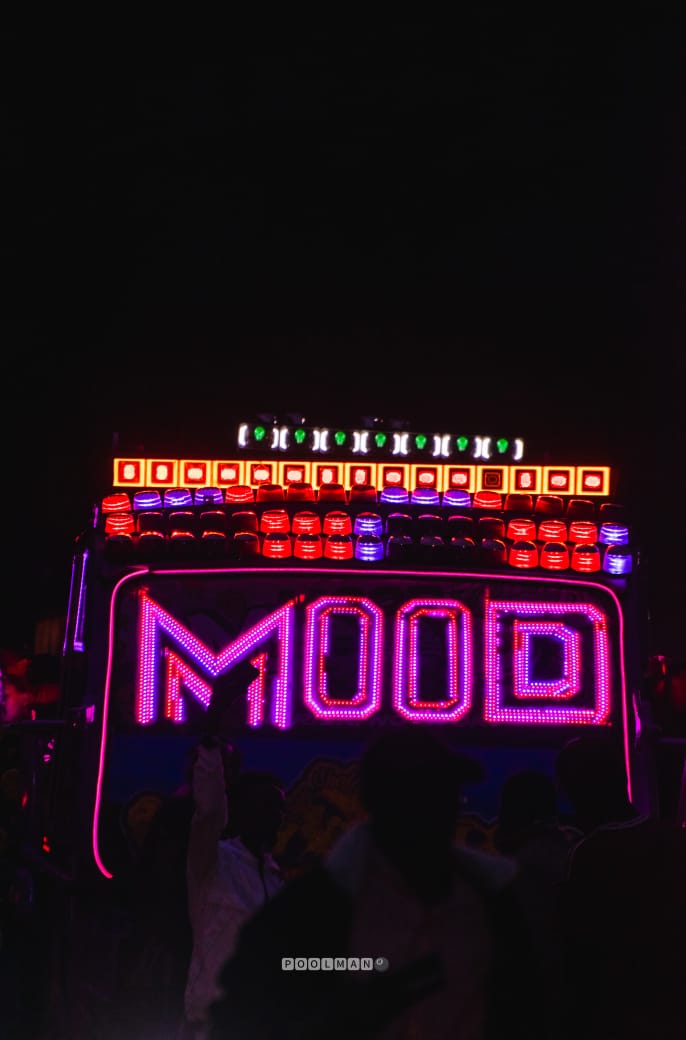
Photo Credit: Poolman Andrea
In the end, Mood represents more than just a matatu. It’s a flashpoint — a symbol of both youth empowerment and systemic contradictions. As some pointed out, during the nationwide protests earlier this year, the government accused youth of violence and property destruction. Yet here was a gathering of thousands, united by a shared culture, with no police presence, no injuries, and no business destruction. And yet it was at night.
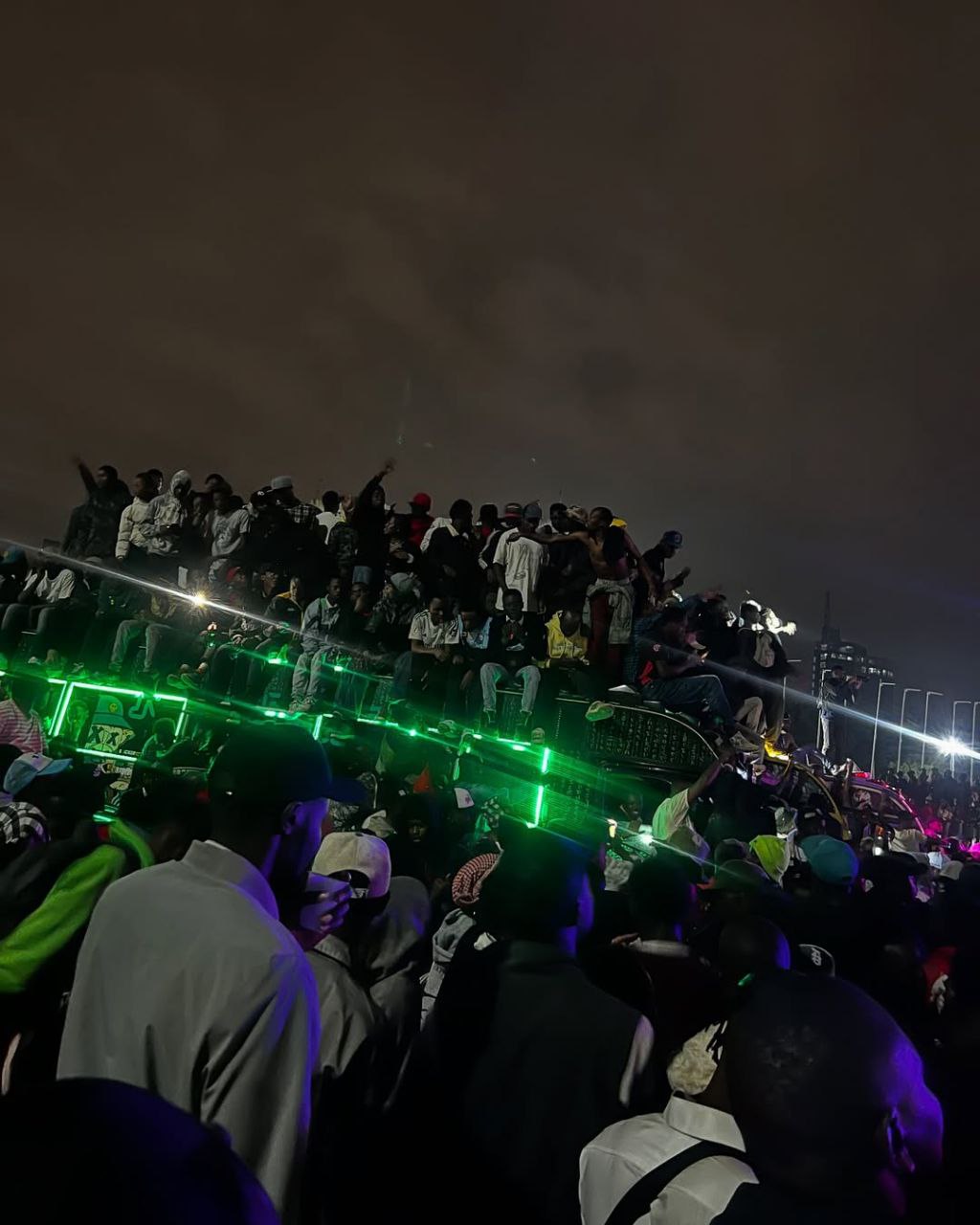
Photo Credit: Poolman Andrea
So the question stands: Who is the enemy? The youth? Or the system that condemns them when they rise up, yet co-opts their culture when convenient?
As Mood continues to blaze through Nairobi’s streets, its impact is undeniable — a cultural juggernaut and a conversation starter in equal measure.