

Photo Credit; Getty Images
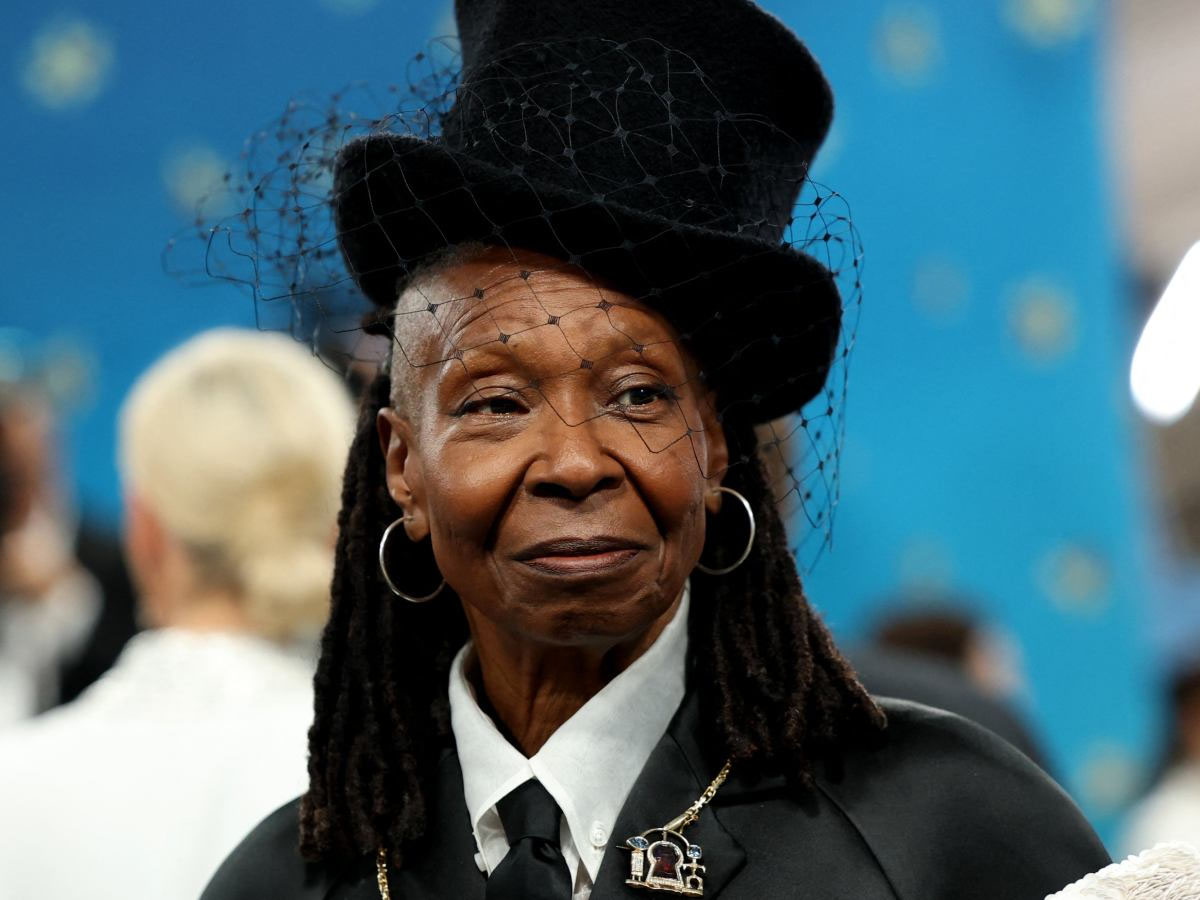
Whoopi Goldberg did not hold back while addressing Donald Trump's explanation for his widely criticized AI-generated image during Tuesday's broadcast of The View.
The daytime moderator pushed back on Trump's claim that the now-deleted post was intended to depict him as a medical professional, saying the explanation simply does not hold up under scrutiny.
"Nobody believes you," Goldberg said, speaking directly to the camera as her cohosts reacted around her. "Not your supporters, not your critics. Everyone saw what that image was doing."
The controversy began after Trump shared a stylized rendering of himself resembling a Christ-like figure healing a person as glowing figures looked on. The post quickly drew backlash from both political opponents and religious observers.
After removing the image, Trump insisted it had been misunderstood, framing it instead as a symbolic portrayal tied to humanitarian work. But Goldberg dismissed that reasoning as implausible and out of touch with how audiences interpreted the post.
Her cohosts echoed the skepticism, with several suggesting the explanation underestimated the public's ability to recognize intent and context. One noted that the timing and presentation of the image made the messaging feel deliberate rather than accidental.
Goldberg also shifted the discussion to comments made by Vice President JD Vance, who had weighed in on the controversy and broader religious themes. She cautioned against dismissing the role of spiritual leaders in public discourse, emphasizing messages of peace.
"And that matters," she said, adding that moral voices often serve as a necessary counterbalance during tense political moments. Her remarks drew agreement across the panel, which briefly expanded into a wider conversation about accountability and leadership.
The segment ultimately closed with Goldberg reiterating her central point: the explanation did not resonate. "People can tell the difference," she said. "And they did this time, too."
As reactions continue to circulate, the debate highlights how digital imagery can spark real-world consequences and how public figures are increasingly pressed to account for what they share online and why it matters more than ever.