

Photo Credit; Getty Images
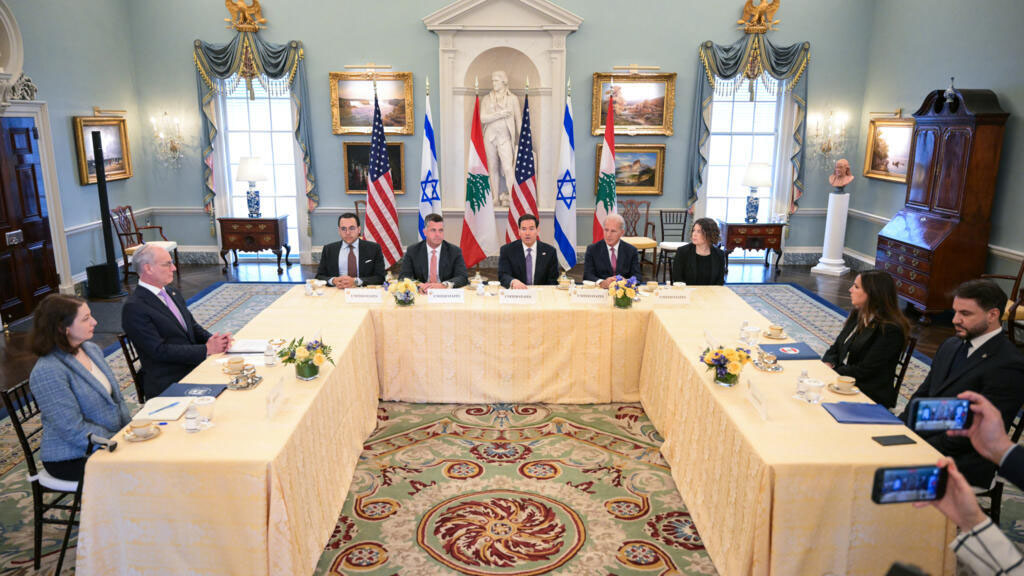
Israel and Lebanon have entered a rare phase of direct diplomacy, holding their first face-to-face talks since 1993 in a US-brokered effort aimed at easing escalating tensions along their shared border.
The meeting, described by US officials as a significant diplomatic opening, comes amid intensifying conflict involving Israel and the Iran-backed Hezbollah group. While expectations for an immediate breakthrough remain low, both sides signaled cautious willingness to engage after years of indirect communication.
US Secretary of State Marco Rubio framed the talks as a long-term process rather than a single decisive moment. Speaking ahead of the discussions, he emphasized that progress would require sustained effort, calling the meeting a "historic opportunity" to reshape security dynamics in southern Lebanon.
Lebanese officials are approaching the negotiations with specific goals, including securing a ceasefire, preventing a prolonged Israeli military presence, and addressing Hezbollah's role within the country. President Joseph Aoun expressed hope that the talks could mark a turning point, particularly for civilians in southern regions who have borne the brunt of the violence.
However, internal divisions within Lebanon complicate the path forward. Hezbollah, a powerful political and military force, has openly rejected the negotiations. Senior figure Wafiq Safa dismissed the process, stating the group would not be bound by any outcomes agreed upon in Washington.
The group's stance underscores a broader challenge: Lebanon's government has limited authority to enforce decisions involving Hezbollah, which maintains significant influence both militarily and politically. This disconnect raises doubts about whether any agreement reached can be implemented on the ground.
Meanwhile, hostilities continue unabated. Hezbollah claimed multiple attacks on Israeli positions during the day of the talks, while Israel maintains its operations are focused on dismantling the group's capabilities.
Despite the uncertainty, the talks represent a notable diplomatic shift. Whether they lead to de-escalation or stall amid entrenched positions may ultimately depend not just on Israel and Lebanon, but on the wider regional forces shaping the conflict.