

Photo Credit: Getty Images
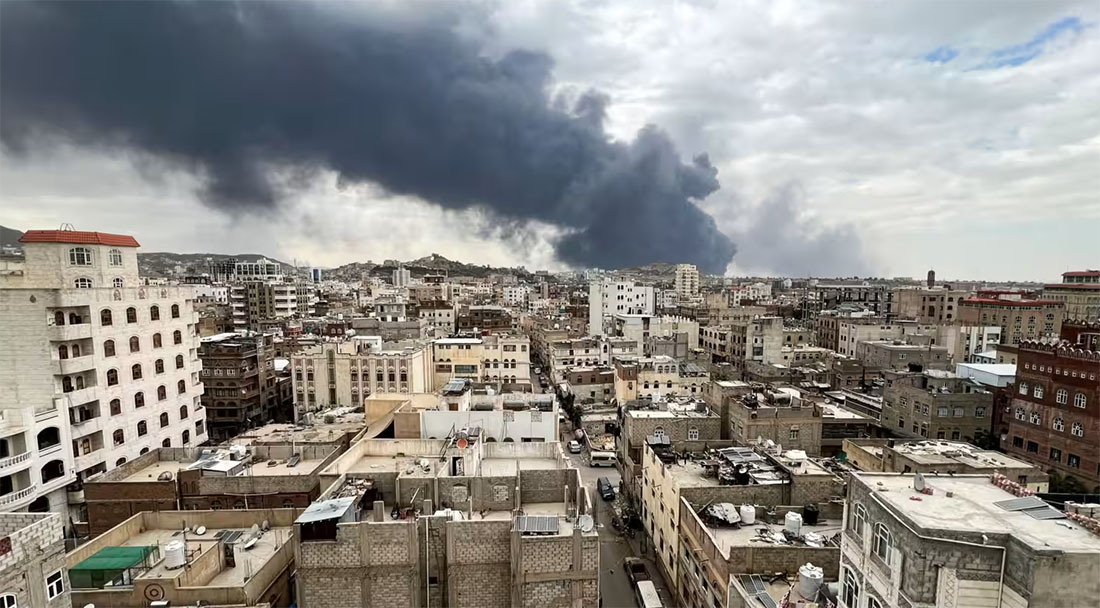
Israel has launched a major strike on a crucial Iranian petrochemical facility, intensifying an already volatile regional conflict and raising fresh concerns about energy security and diplomacy.
The targeted site, located in the energy-rich south, is believed to account for a significant share of Iran's petrochemical production. Officials described the attack as a decisive blow to infrastructure linked to the country's economic lifeline, though independent verification of the scale of damage remains limited.
The strike comes amid mounting pressure tied to a looming deadline over the strategic waterway that handles a substantial portion of global oil shipments. Recent warnings signaled that failure to reopen the route would trigger broader attacks on infrastructure, including power plants and transport networks. The rhetoric surrounding these threats has grown increasingly forceful, with specific timelines repeatedly shifting in recent weeks.
Behind the scenes, diplomatic efforts are accelerating, with reports of urgent negotiations aimed at preventing further escalation. However, progress appears fragile. Some insiders suggest that any meaningful breakthrough would first require a halt in hostilities, a step that has yet to gain consensus.
Meanwhile, the conflict continues to claim lives and spread across borders. Iranian officials report the death of a senior intelligence figure in a separate strike, while additional military targets have been hit in multiple locations. In one incident elsewhere in the region, authorities acknowledged that a strike mistakenly killed unintended victims, underscoring the risks of rapidly unfolding operations.
Regional powers are increasingly alarmed. Concerns are growing that continued disruption to vital shipping lanes could drive up global energy prices and deepen instability. Several countries have signaled readiness to support international efforts to secure navigation, though no unified response has yet emerged.
International voices have also weighed in, warning that attacks on civilian infrastructure could violate established laws and worsen humanitarian consequences. Calls for a diplomatic solution are intensifying, but with strikes ongoing and positions hardening, the path to de-escalation remains uncertain.