

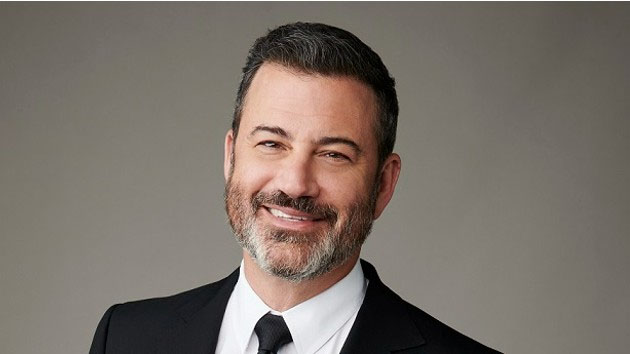
Photo Credit: Getty Images
A storm erupted in Hollywood after ABC suspended Jimmy Kimmel Live! under pressure from the Trump administration, following the comedian's remarks about conservative activist Charlie Kirk's assassination. Kimmel, who has long been a critic of Donald Trump, suggested during his September 10 monologue that Kirk's allies were exploiting his death for political gain. His comments prompted backlash from affiliates and regulators, ultimately leading Disney-owned ABC to pull the program indefinitely.
The move sparked immediate outrage among unions, entertainers, and free speech advocates, who condemned it as state censorship. The Writers Guild of America released a joint statement criticizing the decision, calling it a betrayal of the fundamental right to disagree. SAG-AFTRA, representing actors, declared that silencing Kimmel endangered freedoms for everyone, while public figures like Ben Stiller took to social media to denounce the suspension.
The conflict escalated further when Federal Communications Commission Chair Brendan Carr urged affiliates to stop airing Kimmel's show, warning of investigations and potential fines. His comments praising Nexstar Media Group, which announced it would pull the program from its 32 affiliates, underscored how government pressure directly influenced corporate decisions. Critics argue this represents one of the clearest examples of state interference in broadcast content in recent years.
Kimmel's suspension is part of a wider pattern of scrutiny and retaliation against figures who have spoken critically about Kirk's death. With tensions already high following the activist's assassination in Utah, voices across academia, media, and entertainment have faced mounting pressure. Trump himself has frequently threatened to revoke broadcast licenses and recently filed a multibillion-dollar lawsuit against the New York Times.
For Hollywood, the issue extends beyond Kimmel. It raises urgent questions about the boundaries of satire, commentary, and government influence over cultural expression. In an industry that thrives on creativity, the decision to silence a prominent late-night host is seen as a dangerous precedent. The response from unions and public figures demonstrates a rare moment of unity across the entertainment world, defending not only one comedian but the principle of free expression itself.






