
Photo Credit: Getty Images

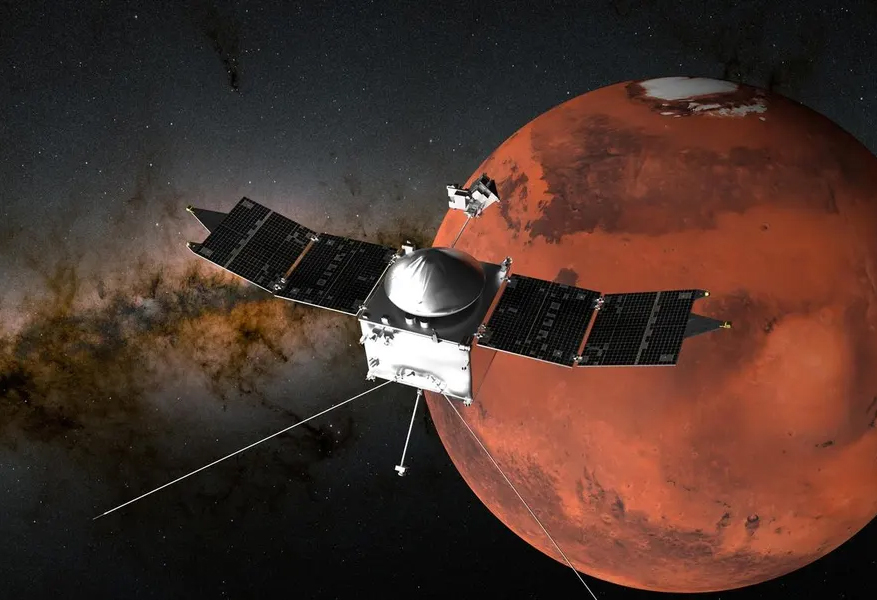
NASA announced on Thursday that it will return four astronauts from the International Space Station (ISS) more than a month ahead of schedule due to a medical issue. This marks the first medical evacuation in the station’s 25-year history. While agency officials confirmed the situation is currently "stable," they declined to release specific details regarding the nature of the condition or the identity of the affected crew member, citing medical privacy protocols.

Photo Credit; Getty Images

Apple has officially confirmed that Google will play a central role in its long-promised Siri transformation, ending months of speculation about how the company plans to modernize its voice assistant for the AI era.

In a statement shared with CNBC, Apple said it will use Google's Gemini artificial intelligence model as the foundation for the upcoming, more personalized version of Siri. According to Apple, Gemini offered the strongest technical base after extensive internal evaluation.

"After careful evaluation, we determined that Google's technology provides the most capable foundation for Apple Foundation Models," the company said, adding that the partnership will unlock new experiences for users.

Apple did not disclose financial terms or a precise rollout date, but the agreement is believed to be part of a multi-year deal between the two companies. Earlier reports had suggested Apple was weighing alternatives from OpenAI and Anthropic before settling on Google.

Photo Credit; Getty Images

Nvidia has unveiled a new artificial intelligence platform it says could advance the future of self-driving cars, as the chipmaker deepens its push beyond data centres and into physical AI. Speaking at the CES technology show in Las Vegas, chief executive Jensen Huang introduced Alpamayo, a "reasoning" AI system designed to help autonomous vehicles think through complex and unfamiliar driving situations.

Photo Credit: Getty Images

Malaysia and Indonesia have become the first countries in the world to officially ban Elon Musk’s AI chatbot, Grok, citing its ability to generate sexually explicit deepfakes. Authorities in both nations blocked access to the tool on the X platform after discovering it was being used to manipulate images of real people into revealing or pornographic outfits. Officials expressed specific concern that the AI could be exploited to produce non-consensual imagery involving women and children.

Photo Credit; Getty Images

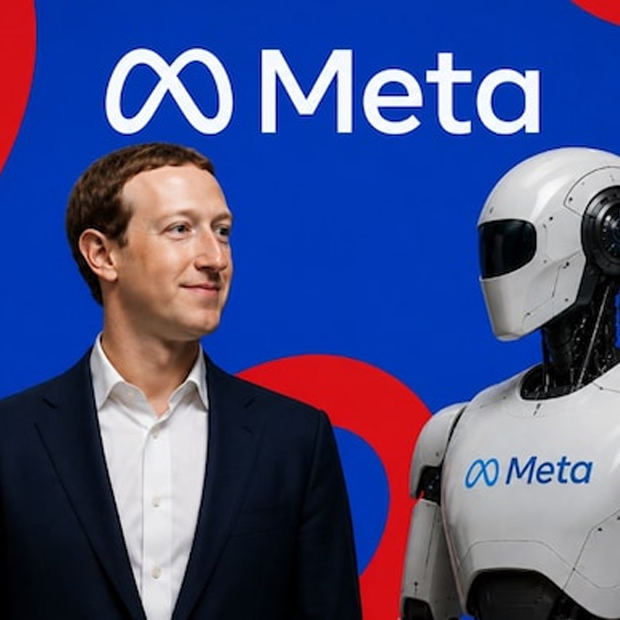
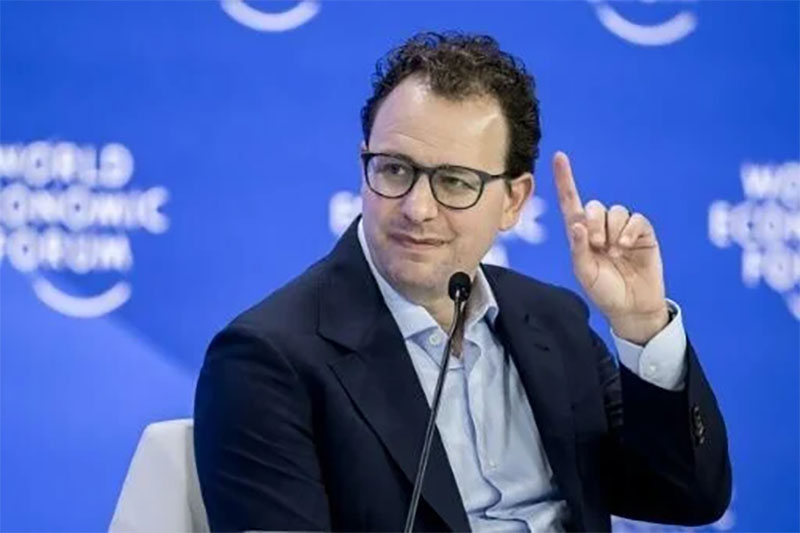
Meta Platforms Inc. has agreed to buy Manus, a popular Singapore-based artificial intelligence agent with Chinese roots, in a massive effort to build a business around its aggressive AI investment.

The deal values Manus at more than $2 billion, according to people familiar with the matter, marking a rare acquisition of an Asian tech company by a US giant.

This multibillion-dollar bet from Meta CEO Mark Zuckerberg was struck in just 10 days, securing a startup that generated $125 million in annual revenue run rate earlier this year.

Coming amid escalating US-China competition for AI dominance, the move completely severs the startup's ties to Chinese ownership.

"There will be no continuing Chinese ownership interests in Manus AI following the transaction, and Manus AI will discontinue its services and operations in China," a Meta spokesperson confirmed.

Photo Credit: Getty Images

  • Elon Musk's AI chatbot Grok has restricted parts of its image generation and editing features to paid subscribers on X, following global criticism over the tool being used to "digitally undress" people, including women and children. The change surfaced late this week as scrutiny from governments and regulators intensified.

Photo Credit; Getty Images

Nvidia has agreed to its largest deal ever, moving to acquire key assets from artificial intelligence chip startup Groq in a transaction valued at roughly $20 billion, according to people familiar with the matter. The agreement, announced Wednesday, gives the semiconductor giant access to Groq's specialized inference technology while stopping short of a full corporate takeover.

Groq, founded in 2016, was built by former Google engineers behind the search giant's tensor processing unit program. Its chips focus on low-latency inference, a fast-growing segment of artificial intelligence workloads where trained models respond to user requests. Nvidia dominates AI training but faces increasing competition in inference, making the Groq technology strategically attractive.

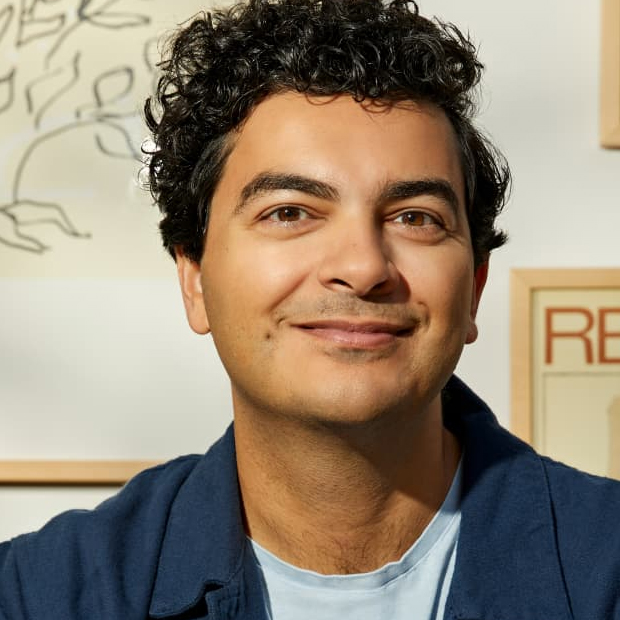
People involved in the deal say Nvidia will license Groq's intellectual property and absorb much of its technical talent, including founder and CEO Jonathan Ross and president Sunny Madra. Groq framed the transaction as a "non-exclusive" licensing arrangement and said it will continue operating independently under new chief executive Simon Edwards. Its GroqCloud business is not included and will continue running separately.

RECENT NEWS

LATEST JOB OFFERS

AROUND THE CITIES