

Photo Credit: Getty Images
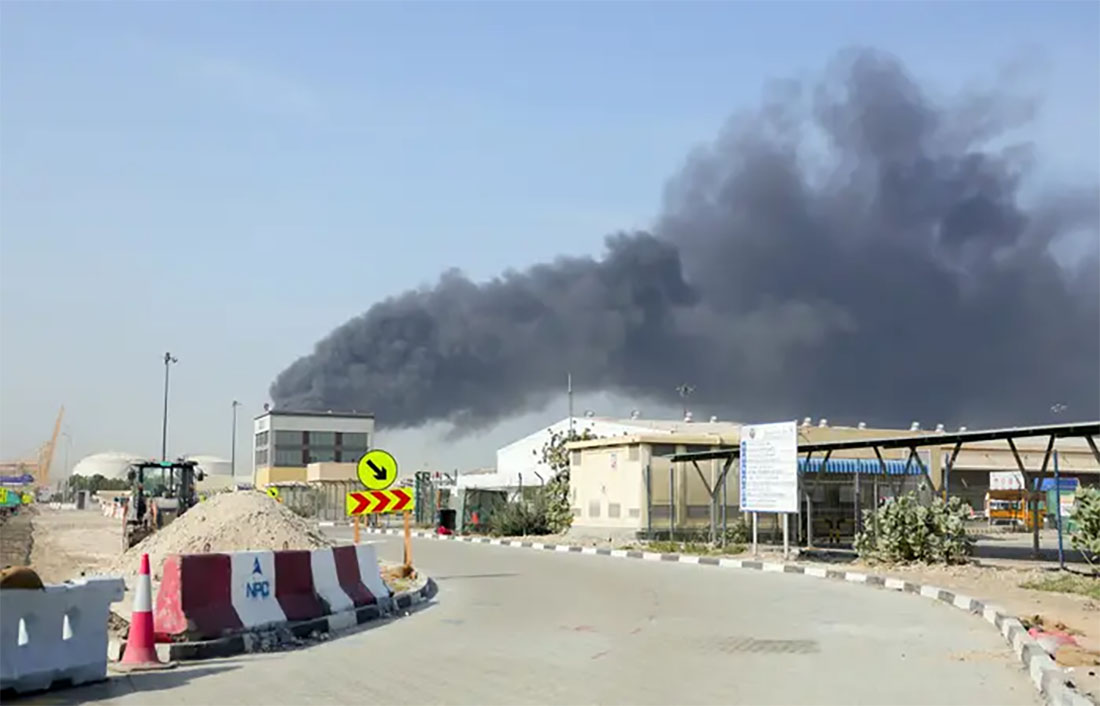
Cloud services across the United Arab Emirates briefly went dark this week after drone strikes linked to Iran damaged several regional data centers, disrupting banking apps, payment platforms and a range of online services relied upon daily by businesses and consumers.
The outages followed a wave of retaliatory attacks across the Middle East after joint U.S. and Israeli strikes on Iranian targets last weekend. Military installations and energy facilities were expected targets, but the inclusion of large cloud computing hubs highlighted how digital infrastructure has become entangled in geopolitical conflict.
Two facilities operated by Amazon Web Services in the UAE were directly hit, while another site in Bahrain suffered damage from a nearby strike, according to company updates and regional reporting. Firms scrambling to keep services running shifted workloads to other regions as engineers worked to restore systems.
The Middle East has become a fast growing destination for hyperscale data centers, thanks to plentiful land and relatively inexpensive energy. Global technology companies have poured billions into building capacity there as governments push to position the region as a future hub for artificial intelligence and cloud computing.
Security experts say those investments now face a new reality. Data centers, once treated mostly as commercial real estate, are increasingly viewed by governments as critical infrastructure on par with power plants, oil refineries, telecommunications networks and transportation systems.
That shift is forcing companies to reconsider how their facilities are protected. Traditional safeguards such as perimeter fencing, surveillance cameras and blast resistant structures remain common, but analysts say drone warfare and long range missiles are changing the threat landscape.
Some companies are studying underground facilities or hardened bunkers, though the costs can be enormous and construction timelines far longer than above ground builds. Others argue the most practical protection is redundancy, copying data and distributing it across multiple regions so services can continue even if one site fails.
The recent strikes may accelerate that thinking. As governments and tech firms reassess risks, the infrastructure powering the digital economy is increasingly being drawn into the same strategic calculations that long governed oil fields and military bases worldwide.