

Photo Credit: Getty Images
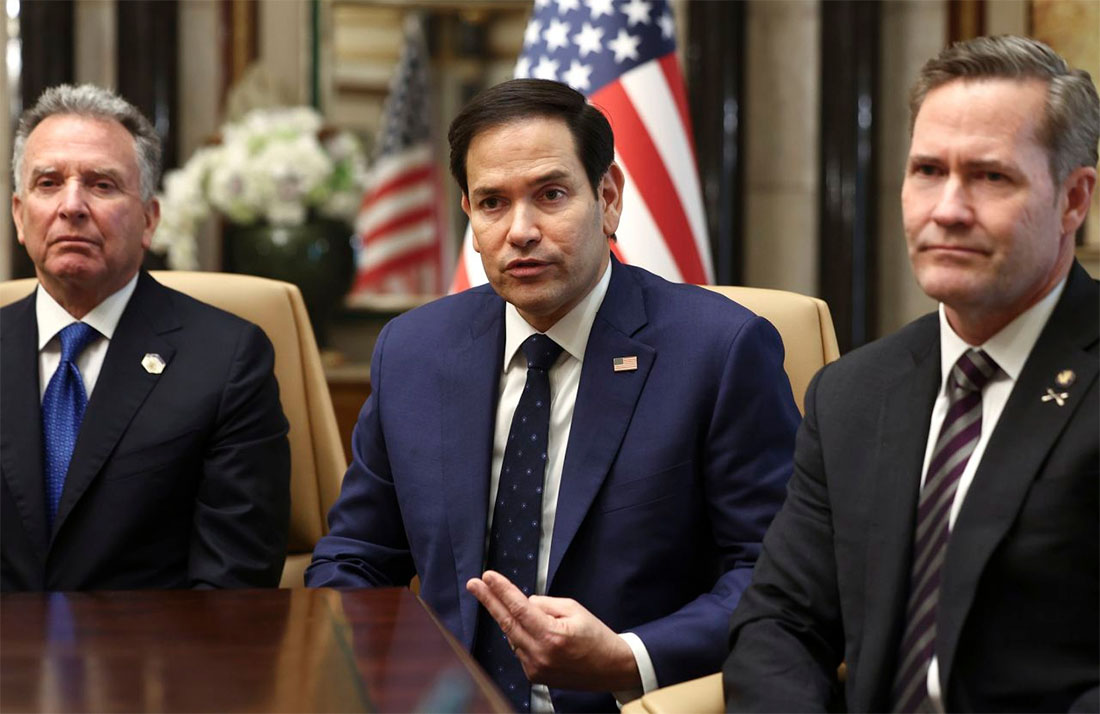
US Secretary of State Marco Rubio said Cuba represents a "national security threat" to the United States and that the chances of a peaceful resolution are "not high." His remarks followed the US charging former Cuban president Raúl Castro with murder over the 1996 downing of two planes that killed US nationals. Rubio added that Washington’s preferred route remains "a diplomatic solution," but warned that President Donald Trump has the right and obligation to protect the country against any threats.
Cuba's Foreign Minister Bruno Rodríguez accused Rubio of "lies" and said the island had never posed a threat to the US.
Speaking to reporters on Thursday, Rubio said diplomacy "remains our preference with Cuba", but added: "I'm just being honest with you, you know, the likelihood of that happening, given who we're dealing with right now, is not high.”
He also accused Cuba of being "one of the leading sponsors of terrorism in the entire region", which Rodríguez vehemently denied in a post on X.
The Cuban foreign minister criticised Rubio for trying to "instigate a military aggression" and accused the US government of "ruthlessly and systematically" attacking his country.
Cuba is suffering from a fuel crisis exacerbated by an effective US oil blockade, while under pressure from the Trump administration to make a deal.
Its citizens have experienced extended blackouts and food shortages over the last few months.
Rubio said the country had accepted a US offer of $100m in humanitarian aid.
Trump has repeatedly sought to exert pressure on Cuba and has openly discussed toppling its communist regime.
The US has demanded political and economic reforms but the specifics are unclear beyond a leadership change. They could include a pledge to open up the economy to more foreign investment and a commitment to end the presence of Russian or Chinese intelligence agencies on the island.