

Photo Credit: Getty Images
In a move that has sent shockwaves across the television industry, CBS has announced that it will cancel The Late Show with Stephen Colbert after the next TV season, bringing an end to over three decades of original late-night programming on the network. The decision, announced Thursday, was attributed to financial constraints, not the performance or content of the show.
“This is purely a financial decision against a challenging backdrop in late night,” CBS executives said in a statement. “It is not related in any way to the show’s performance, content or other matters happening at Paramount.” They added, “We consider Stephen Colbert irreplaceable and will retire ‘The Late Show’ franchise” in May 2026.
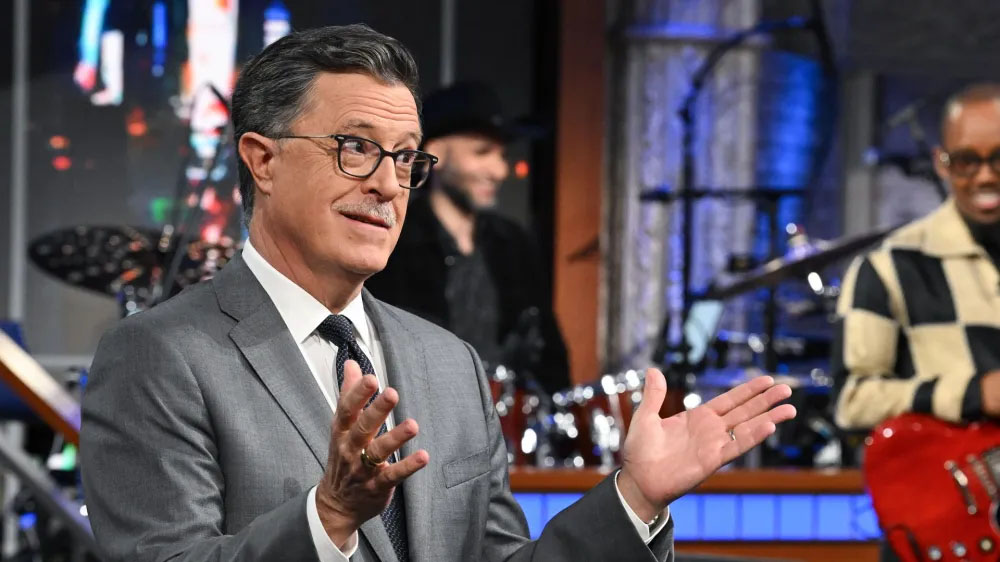
Colbert, who was informed of the decision on Wednesday evening, shared the news with the audience during the taping of Thursday’s show. “It is a fantastic job. I wish somebody else was getting it,” he said, thanking CBS executives and the 200-plus staff members who have supported the show. Audience members responded with audible boos, to which Colbert responded, “Yeah, I share your feelings. It’s not just the end of our show, but it’s the end of The Late Show on CBS. I’m not being replaced. This is all just going away.”
The decision has drawn criticism and speculation across the industry. California Senator Adam Schiff, after taping a guest appearance on The Late Show, posted on social media: “If Paramount and CBS ended the Late Show for political reasons, the public deserves to know. And deserves better.”
Questions have been raised regarding the potential influence of Skydance Media, the company set to acquire Paramount Global — CBS’s parent company. Skydance CEO David Ellison is reported to have conservative political leanings, while Colbert and fellow comedian Jon Stewart are known for their critical takes on figures like former President Donald Trump.
CBS had already begun scaling down its late-night lineup, recently canceling After Midnight, a companion show hosted by Taylor Tomlinson. While Tomlinson chose to exit to focus on her stand-up career, CBS had reportedly sought a third season.
The broader picture suggests a larger struggle within late-night TV. Networks are contending with rising production costs and shrinking viewership as younger audiences turn to streaming platforms. While hosts like Colbert, Jimmy Fallon, and Jimmy Kimmel still draw attention online, traditional live viewership has dwindled. Notably, none of the major late-night hosts now air shows on Fridays — a clear sign of the format’s decline.
Colbert’s journey on The Late Show began in 2015, where he transitioned from his satirical conservative character on Comedy Central to his authentic self. After initial growing pains, he hit his stride during the 2016 election, delivering sharp political commentary that resonated with audiences. Since then, The Late Show has often ranked as the most-watched late-night program on TV.
Still, CBS’s choice not to announce the end during its annual May “upfront” meetings with advertisers, as is customary for such high-profile exits, has puzzled industry watchers. That tactic, used for stars like Johnny Carson and David Letterman, could have helped build excitement for the show’s final season.
Instead, CBS appears to be stepping back from late-night altogether, with its 12:30 a.m. slot now filled by reruns from Byron Allen’s syndicated comedy roundtable. The big question now: what, if anything, will take The Late Show’s place?
For many, the cancellation marks not just the end of an era for CBS, but a symbolic moment in the long, slow fade of traditional late-night television.