

Photo Credit; Getty Images
The Sundance Film Festival handed out its highest awards this year to a mix of intimate dramas and socially driven documentaries, with “Josephine” and “Nuisance Bear” emerging as major standouts. The wins capped off a politically charged and emotionally resonant festival in Park City, Utah, where stories about family, identity, activism and survival dominated the conversation.
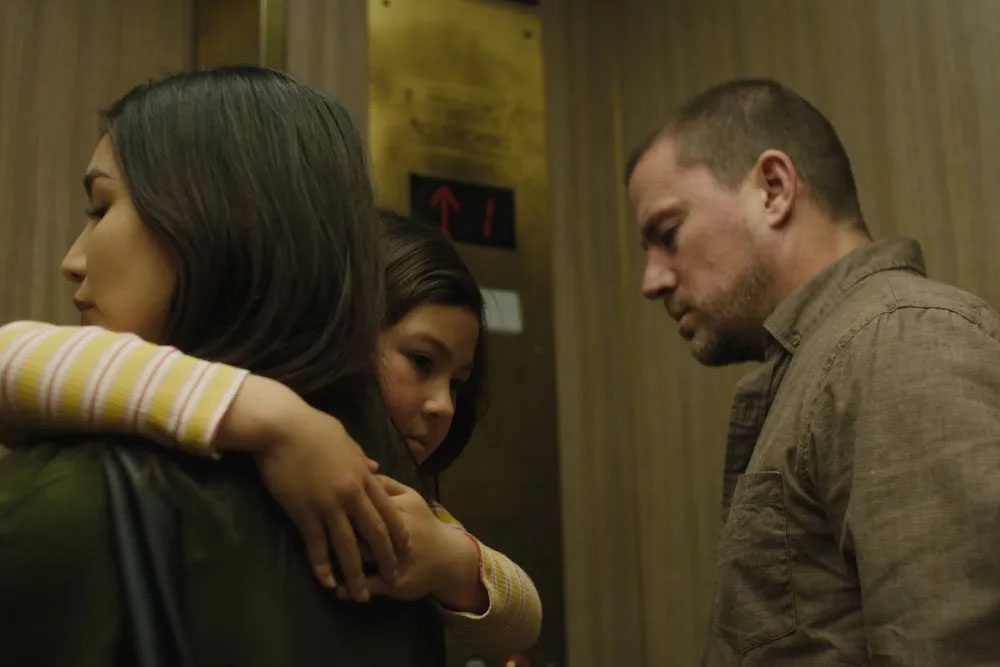
“Josephine,” a family drama that drew strong reactions when it premiered, won the Grand Jury Prize for U.S. Dramatic Competition. The film also earned the Audience Award for U.S. Narrative, signaling support from both jurors and festivalgoers. Starring Channing Tatum, Gemma Chan and newcomer Mason Reeves, the film centers on a young girl who witnesses a crime and must navigate the emotional fallout within her family.
Director Beth de Araújo, who based the story on elements of her own life, was visibly moved while accepting the audience prize. Fighting back tears, she thanked viewers for embracing the film and spoke about the role cinema plays in her life, calling it her church and expressing gratitude for the chance to keep telling stories.
On the documentary side, “Nuisance Bear” claimed the Grand Jury Prize for U.S. Documentary Competition. The film examines how tourism and other human activities affect the polar bears living in Churchill, Manitoba. By focusing on the tension between economic interests and wildlife protection, the documentary struck a chord with jurors and audiences alike.
The Grand Jury Prize for World Cinema Documentary went to “To Hold a Mountain,” which follows a mother and daughter working to stop their ancestral mountain from being turned into a NATO military training site. Meanwhile, “Shame and Money,” a drama about a couple in rural Kosovo who lose their livelihoods, won the Grand Jury Prize for World Cinema Dramatic Competition.
Politics and social issues were a clear undercurrent throughout the awards ceremony. Many of the winning films focused on immigrants, activists and marginalized communities. David Alvarado, director of “American Pachuco: The Legend of Luis Valdez,” which won the Audience Award for U.S. Documentary, directly addressed the moment, saying his film was meant to show that diversity is not and will never be a dirty word.
Several award winners are already attracting attention from distributors, including “Josephine” and “Nuisance Bear,” and their victories are expected to intensify bidding from studios and streaming platforms.
Additional honors were spread across Sundance sections. “The Incomer” received the NEXT Innovator Award, while “TheyDream” earned the NEXT Special Jury Award for its use of miniatures and motion capture to depict two decades in the life of a Puerto Rican family. Audience awards also went to “One in a Million” for World Cinema Documentary, “Hold Onto Me” for World Cinema Dramatic, and “Aanikoobijigan [ancestor great grandparent great grandchild]” in the NEXT category, a film focused on the repatriation of Indigenous human remains.
Josef Kubota Wladyka won the U.S. Dramatic directing award for “Ha chan Shake Your Booty,” which was later acquired by Sony Pictures Classics. J.M. Harper received the U.S. Documentary directing prize for “Soul Patrol.” Other directing awards went to
Andrius Blaževičius for World Cinema Dramatic and Itab Azzam and Jack MacInnes for World Cinema Documentary.
The festival also recognized excellence in writing and editing, with Liz Sargent winning the Waldo Salt Screenwriting Award and Matt Hixon earning the Jonathan Oppenheim Editing Award.
With a strong mix of critical acclaim, audience enthusiasm and industry interest, this year’s Sundance winners continue the festival’s long tradition of launching films that shape conversations far beyond Park City.