

Photo Credit; Getty Images
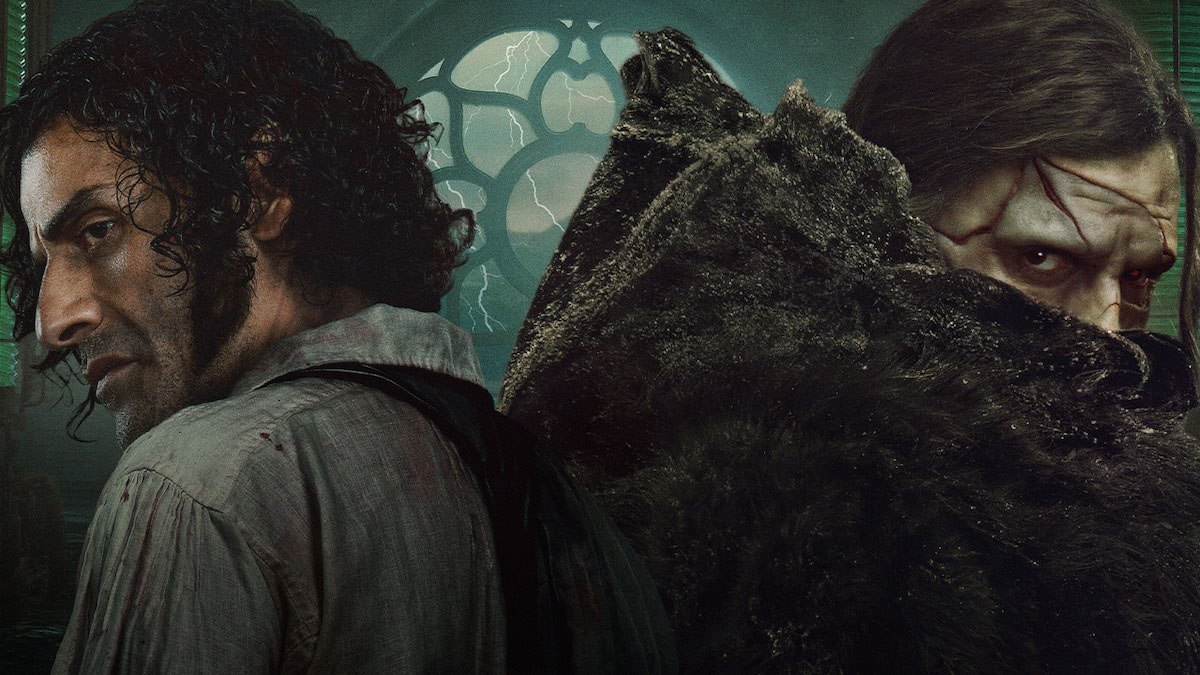
Deadline’s Read the Screenplay series turns its attention to Frankenstein, the long awaited passion project from writer and director Guillermo del Toro, which recently premiered at the Venice Film Festival. The film marks the realization of a dream del Toro has carried since childhood, adapting Mary Shelley’s 1818 gothic novel with a deeply personal and emotional approach. Produced for Netflix, the epic drama stars Oscar Isaac as Victor Frankenstein, Jacob Elordi as The Creature, and Mia Goth as Elizabeth.
Following its strong reception in Venice, Frankenstein has quickly emerged as a major awards season contender. The film earned 11 nominations and four wins at the Critics Choice Awards, including a win for Elordi. It also received five Golden Globe nominations, among them Best Picture and Best Director, as well as a SAG AFTRA Actor Awards nomination for its ensemble cast. Both Isaac and Elordi are recognized with Globe nominations, while Elordi also picked up an Actor Awards nomination. Across the crafts guilds, the film has continued to gain momentum, securing 11 mentions among the categories included in the Oscar shortlists.
Del Toro himself has been widely recognized for his work on the film. He received a nomination from the USC Scripter Awards, which honors adapted screenplays and their original sources, as well as a Directors Guild of America nomination. These honors reflect the industry’s appreciation for a film that revisits a familiar story while offering a strikingly new perspective.
What sets this adaptation apart from the many that came before it is a deliberate narrative shift. While Victor Frankenstein remains central, del Toro reframes the story to focus equally on his creation. Referred to as The Creature rather than The Monster, the character is given his own voice and point of view. The film treats both Victor and The Creature as protagonists, allowing the audience to experience the tragedy from both sides.
The story follows Victor, a brilliant but ego driven scientist who attempts to conquer death by creating life. His success leads not to triumph but to ruin, destroying both himself and the being he brings into the world. The narrative spans vast landscapes, from the frozen Arctic to the war torn fields of nineteenth century Europe, as creator and creation embark on separate searches for meaning and belonging.
Del Toro portrays Victor as a deeply flawed figure, a tyrant who sees himself as a victim. Oscar Isaac and del Toro envisioned him less as a traditional scientist and more as a misunderstood artist with punk rock energy, turning the laboratory into a space of provocation rather than pure discovery. The film opens with Victor in a compromised and almost monstrous state, clinging to life in the Arctic, already paying the price for his ambition.
At its heart, Frankenstein is a humanistic and existential drama. Del Toro describes it not as a conventional horror film but as a melodrama driven by emotional need. The film explores what it means to be human, to long for love, and to live with misunderstanding. It examines inherited trauma, the blurred line between good and evil, and the shared failures that define both creator and creation. Above all, the film argues that the most universal truth is the need to be loved, a desire that ultimately binds Victor Frankenstein and The Creature together in tragedy.