

 Photo Credit; Getty Images
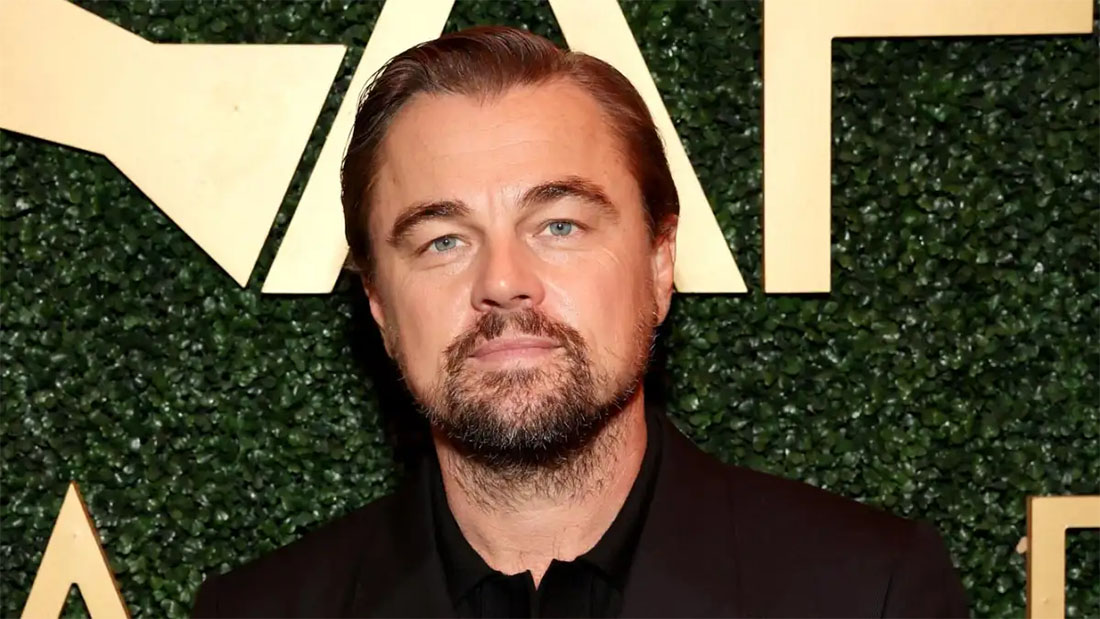
Leonardo DiCaprio is openly reflecting on the uncertain future of movie theaters and what the rapid evolution of the film industry could mean for cinema as a shared cultural experience. In a recent interview with The Times of London, the Oscar winning actor expressed concern about whether audiences still have the desire to leave their homes to watch films on the big screen. He questioned if traditional theaters might one day become niche spaces similar to jazz bars, valued by a smaller and more dedicated audience rather than the mainstream public.
According to DiCaprio, the speed of change within the industry has been staggering. He described the current moment as a major transition, pointing out how certain types of films have already been pushed out of cinemas. Documentaries, he noted, were among the first to lose their regular theatrical presence. Now, even dramatic films often receive only limited runs before being sent to streaming platforms, where audiences tend to wait until they can watch from home. This shift, DiCaprio admitted, leaves him uncertain about where moviegoing is headed.
Despite his concerns, DiCaprio emphasized that his hope lies with future filmmakers who bring original visions to life. He expressed a desire for enough opportunities to exist so that bold and imaginative storytellers can still see their work projected on large screens. For him, cinema is not only about watching a story but about experiencing it in a communal space designed to amplify emotion, sound, and visual impact. Whether that experience will continue to reach broad audiences remains unclear, but DiCaprio believes it is worth fighting for.
The actor has long been a vocal defender of what he sees as the integrity of cinema. His concerns extend beyond distribution and into the creative process itself. During a separate conversation with Time, DiCaprio spoke critically about the growing use of artificial intelligence in filmmaking. While he acknowledged that AI could serve as a helpful tool for young filmmakers looking to experiment, he firmly argued that true art must come from human emotion and intention.
DiCaprio explained that while AI generated music or visuals can be impressive, they often lack staying power. He compared them to clever mashups that initially feel exciting but quickly fade into the vast sea of online content. In his view, these creations lack a human anchor and emotional depth, qualities he believes are essential for art to endure. Without that humanity, even the most technically brilliant work risks becoming disposable.
Taken together, DiCaprio’s reflections paint a picture of an industry at a crossroads. Streaming services, new technologies, and shifting audience habits are reshaping how stories are told and consumed. Yet his message is not entirely pessimistic. Instead, it is a call to protect the human element of filmmaking and to ensure that cinema remains a place where meaningful stories can still be experienced collectively. Whether movie theaters will thrive or become more specialized spaces like jazz clubs is still an open question, but for DiCaprio, the hope is that the magic of the big screen does not disappear.