

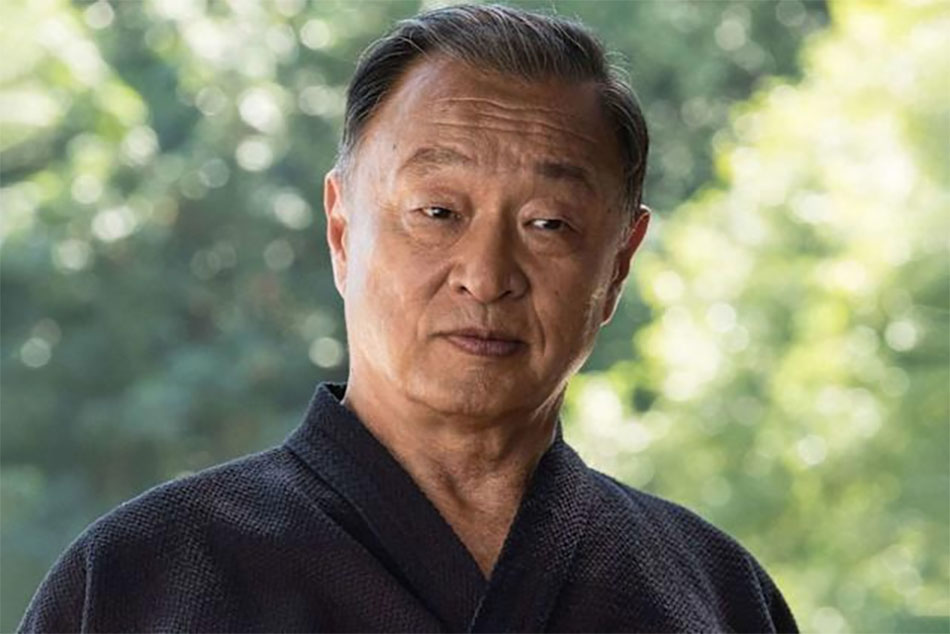
Photo Credit: Getty Images
Cary Hiroyuki Tagawa, the celebrated Tokyo born actor whose presence shaped major Hollywood productions for decades, has died at the age of seventy five. His manager confirmed that he passed away in Santa Barbara while surrounded by family after complications from a stroke. The announcement stirred heartfelt tributes across the film industry, reflecting the deep respect he earned throughout his career.
Tagawa's cinematic ascent began in earnest with Bernardo Bertolucci's acclaimed film The Last Emperor in 1987. His work soon extended to global blockbusters including Pearl Harbor, Planet of the Apes and License to Kill. These roles showcased his ability to bring nuance and authority to characters across genres. His upbringing in the United States South and in Hawaii created a multicultural foundation that shaped his artistic voice.
The actor frequently credited his parents for nurturing his worldview. His father, born in Hawaii and stationed across Army bases, met his Japanese mother during his service in Japan. Tagawa later shared that he and his brother were named after Cary Grant and Gregory Peck, both admired by his parents. Despite his mother's concern that Hollywood offered few substantial roles for Asian performers, Tagawa eventually pursued acting at thirty six after working in several professions, ranging from farming to photojournalism.
Tagawa became known for thoughtful commentary on Asian representation in Hollywood. He acknowledged progress yet remained realistic about the industry's slow pace of change. His performance as the Baron in Memoirs of a Geisha illustrated his understanding of cultural interpretation in American filmmaking. He stressed that fictional American made films could not perfectly reflect Japanese nuance.
Beyond acting, Tagawa developed an interest in martial arts as a healing practice rather than a form of combat. His Ninjah Sportz system blended movement and wellness, attracting attention from athletes including world champion boxer Brian Viloria and members of the University of Hawaii football team. His work in this field demonstrated the breadth of his creativity.
In 2008, Tagawa pleaded guilty to a petty misdemeanor harassment charge involving a girlfriend, an incident he acknowledged publicly through his attorney. Despite personal challenges and the evolving nature of his career, his contributions to film and his role in shaping opportunities for Asian performers remain influential. His death marks the end of a remarkable artistic journey that touched global audiences.