

Photo Credit: Getty Images
At a time when Hollywood is grappling with declining box office numbers, shrinking cable revenues, and widespread layoffs, the leaders of major media companies are earning record breaking pay packages. The contrast between industry hardship and executive compensation has sparked growing criticism, especially as shareholders begin to push back against what many see as excessive rewards.
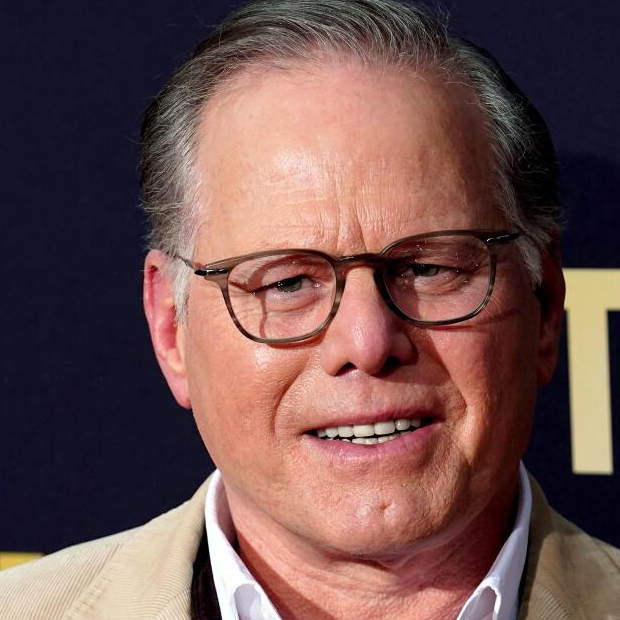
One of the most striking examples is Warner Bros Discovery CEO David Zaslav. In 2025, his compensation surged to an eye watering 165 million dollars, more than triple his previous earnings. This came even as shareholders voiced strong opposition to his potential golden parachute tied to the company’s planned sale to Paramount. In a symbolic but significant vote, 82 percent of shareholders rejected the payout package, which could reach as high as 886 million dollars. Despite this, Zaslav’s earnings still placed him among the highest paid executives globally, raising questions about accountability and alignment with company performance.
Zaslav is not alone. Across the media landscape, top executives have continued to see their earnings grow. The median CEO compensation for companies in the S and P 500 reached 17.7 million dollars in 2025, marking a notable increase. However, these pay rises have not always reflected company performance, with executive compensation often outpacing shareholder returns.
At Disney, Bob Iger earned 45.8 million dollars as he prepared to step down after decades at the helm. While Disney has achieved milestones such as making its streaming service profitable and celebrating major anniversaries, other divisions have struggled. Still, Iger’s compensation included generous stock awards, bonuses, and additional benefits such as security and travel expenses.
Netflix co CEOs Ted Sarandos and Greg Peters also earned more than 50 million dollars each, despite slight declines in their total compensation compared to the previous year. Their pay was largely justified by the company’s strong financial performance, including subscriber growth and increased revenue. Even so, the structure of their compensation highlights how executives are rewarded not just for financial targets but also for maintaining competitive standing within the industry.
The issue extends beyond individual companies. Analysts point to structural factors such as dual class stock systems, which give certain shareholders outsized control over executive pay decisions. Companies like Comcast, Fox, and Paramount operate under such systems, allowing leadership compensation to be set with limited external influence. This creates upward pressure across the industry, as other companies feel compelled to match or exceed these pay levels to remain competitive.
Another key factor is how performance is measured. Compensation committees often rely on a mix of financial and qualitative metrics. This means executives can still receive substantial bonuses for achievements like award wins, successful film releases, or theme park expansions, even if overall financial performance falls short. Critics argue that this approach rewards managerial roles with returns more suited to entrepreneurs who bear greater personal risk.
Meanwhile, companies across the sector continue to cut costs through layoffs and restructuring. Disney, Amazon, Paramount, and others have reduced their workforce in response to shifting consumer habits and declining traditional revenue streams. Yet, this cost cutting rarely extends to the executive level, further widening the gap between leadership and employees.
The growing disconnect has not gone unnoticed. Shareholder dissent, like the vote against Zaslav’s payout, signals a broader shift in attitudes toward executive compensation. While these votes may not always lead to immediate change, they put pressure on boards to reconsider how they reward top leadership.
As Hollywood navigates an uncertain future shaped by streaming wars and changing audience behavior, the debate over CEO pay is unlikely to fade. Instead, it may become a defining issue in how the industry balances leadership rewards with accountability and long term sustainability.