

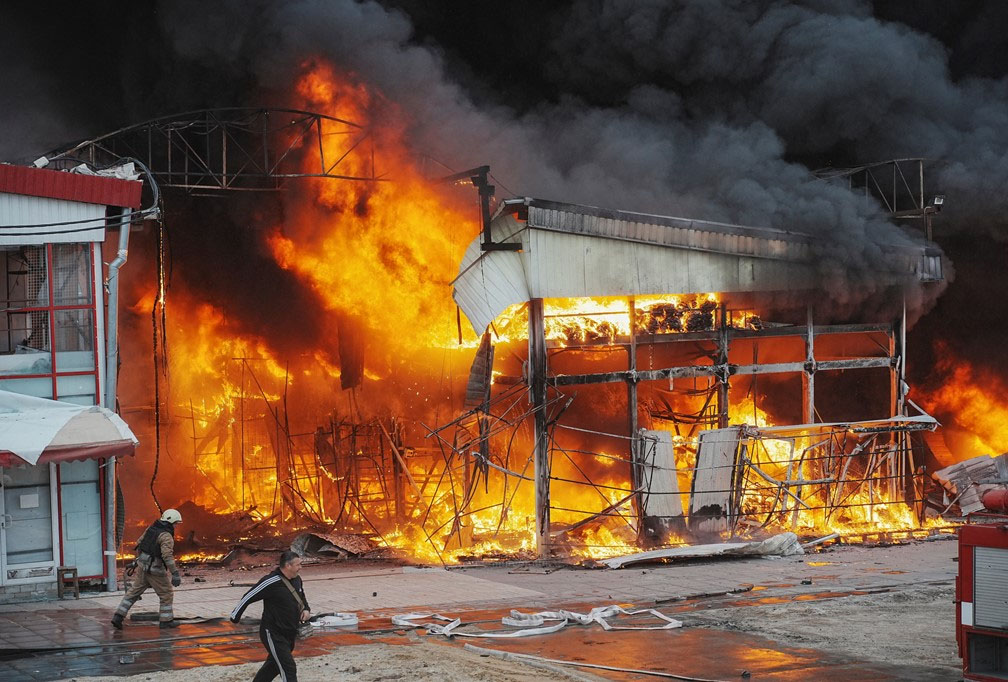
Photo Credit: Getty Images
The lines are growing at Russian gas stations -- and so is the frustration and uncertainty as several months of Ukrainian attacks have set oil refineries ablaze and choked supplies for motorists across the vast country.
Fuel rationing has been introduced in many regions, with hourslong queues of cars snaking beside roads. Social media videos show drivers aghast at the lines or swearing at empty gas pumps and rising prices. The mayor of the Siberian city of Irkutsk even ordered portable toilets brought in to accommodate those in line.
The fuel crisis — unprecedented for a nation that is one of the world’s biggest energy producers — has brought Moscow’s full-scale invasion of Ukraine home to ordinary Russians like few other events in the war, now in its fifth year.
It drew a rare admission from President Vladimir Putin, who acknowledged that “problems persist for both motorists and businesses,” and “there are still queues at petrol stations, and finding the right grade of petrol isn’t always easy.”
Putin insisted the shortages are “not critical” and “temporary.”
But that appeared to do little to reassure at least one motorist in Moscow, the wealthy capital typically better-insulated from economic shocks than the rest of the country.
“I think the situation is not very good,” the motorist waiting in line told The Associated Press on Monday, the day after Putin’s televised remarks.
“They say one thing on television, and in reality it’s another. ... People are queueing everywhere,” he added, declining to identify himself out of concern for his safety.
Ukraine hits energy targets multiple times
An AP count shows over 50 reported attacks by Ukraine on oil refineries, depots, terminals and other oil infrastructure in Russia and the illegally annexed Crimean Peninsula since late March. Often, the same facility is hit more than once -– such as the refinery in the Black Sea town of Tuapse, which was struck four times in just over two weeks.
As a result, the amount of crude oil Russia processed into fuel in June was down 25% from a year ago, to 3.95 million barrels per day — the lowest level in over two decades, said Gary Peach, oil markets analyst at Energy Intelligence.
“The outages are extraordinary,” he said.






