

Photo Credit: Getty Images
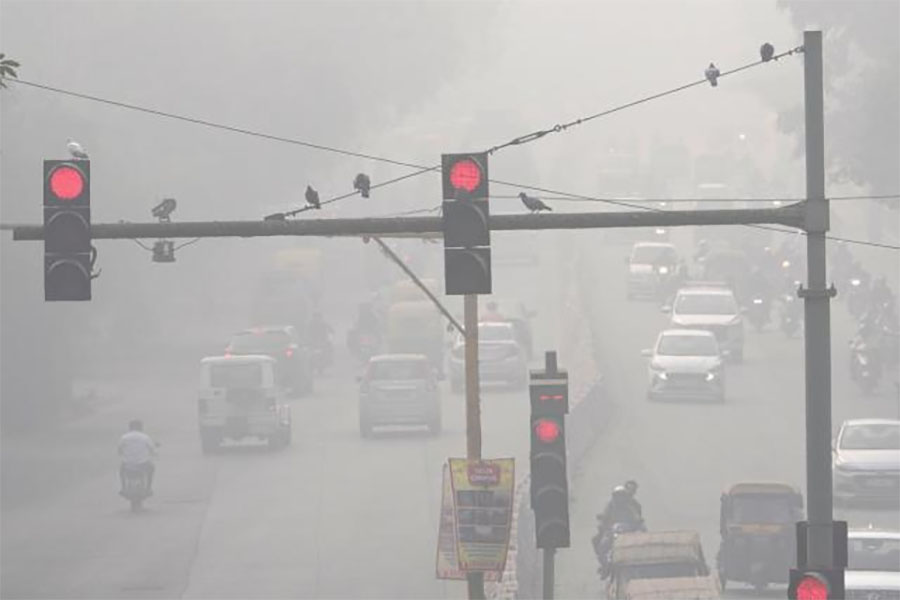
Once again, the Indian capital of Delhi finds itself blanketed in a suffocating haze as the air quality plunges into dangerous levels. Following the Diwali celebrations, where fireworks lit up the night sky, the city has been choking under thick smog that irritates eyes, burns throats, and pushes air quality monitors to their limits. Headlines have grimly declared this year's post-Diwali pollution as the worst in four years.
The crisis is a familiar one caused by a toxic combination of vehicular emissions, crop residue burning in Punjab and Haryana, and the reckless bursting of firecrackers. Despite ongoing campaigns discouraging stubble burning, many farmers continue the practice, citing affordability as the main reason. While some reports claim a decline in farm fires ue to recent floods, official data from Punjab tells a different story, showing a tripling of incidents in just ten days.
Adding fuel to the smog, India's Supreme Court recently relaxed a five-year ban on firecrackers, allowing "green crackers" for limited hours. However, in Delhi, the law was openly flouted. Fireworks began well before the permitted time and continued deep into the night. Experts warn that even "green crackers" emit harmful particles, making the measure ineffective.
Residents are reporting coughing fits, watery eyes, and breathlessness, with doctors cautioning that long-term exposure weakens immunity and increases risks of severe respiratory diseases. Despite the human cost, politicians continue trading blame. As winter sets in, low wind speeds and cold air trap pollutants closer to the ground, turning Delhi into a gas chamber once again, a grim annual ritual that seems to have no end in sight.