

Photo Credit: Getty Images
Vietnam has ordered the evacuation of more than 586,000 people as Typhoon Kajiki gathers strength and approaches its central coastline, prompting widespread flight cancellations, port closures, and emergency preparations across the region.
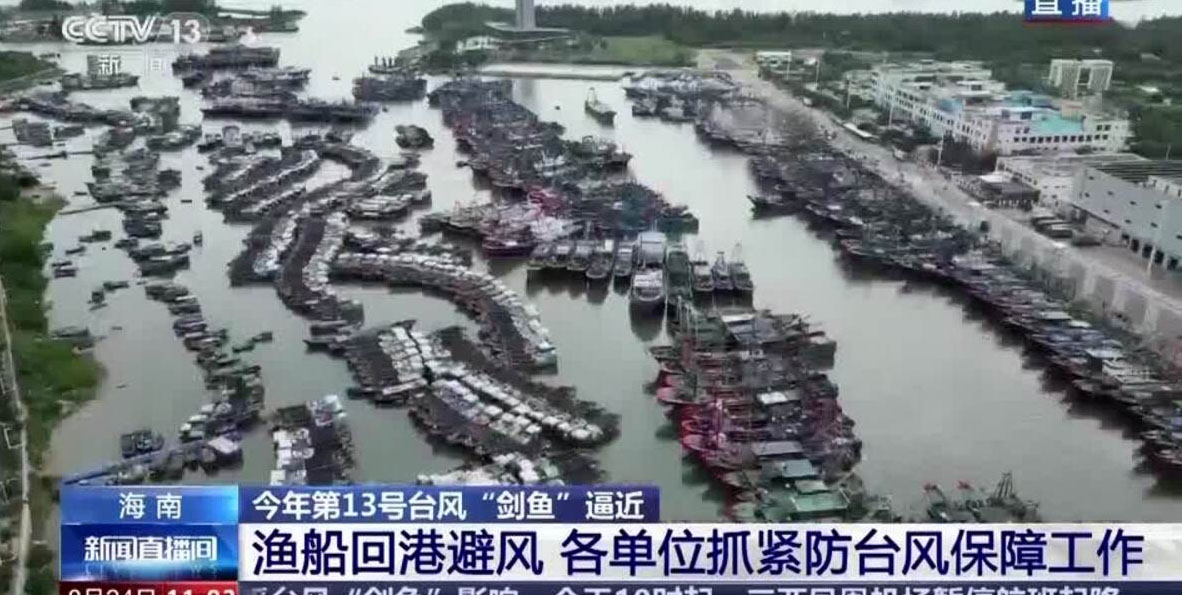
The storm, already lashing southern China's Hainan Island with heavy rainfall, was reported on Sunday to be carrying sustained winds of 166 km/h (103 mph). Meteorologists expect it to intensify further, potentially reaching speeds of up to 180 km/h before making landfall in Vietnam early Monday.
Authorities in the provinces of Thanh Hoa, Quang Tri, Hue, and Da Nang instructed residents in vulnerable areas to leave their homes, warning that conditions will deteriorate rapidly after 14:00 GMT on Sunday. "The situation is extremely dangerous," Vietnam's Ministry of Agriculture and Environment said, urging fishermen, tourism operators, and aquaculture facilities to halt operations.
Seven coastal provinces have already banned boats from leaving shore. The military has deployed troops to assist with evacuations and reinforce shelters in areas expected to see the heaviest impact.
Vietnam Airlines confirmed at least 22 domestic flights scheduled for Sunday and Monday have been cancelled, while low-cost carrier Vietjet said it would cancel or delay services depending on weather conditions.
Kajiki has also disrupted life in China. In Sanya, a resort city on Hainan Island, officials raised a red typhoon alert, the country's highest-level warning. Businesses, schools, and public transportation were suspended as authorities prepared for what they called "worst-case scenarios." Forecasts indicated some parts of Hainan could see up to 320 millimeters (12.6 inches) of rainfall within 24 hours.
The storm comes less than a year after Typhoon Yagi devastated parts of Vietnam, killing around 300 people and inflicting billions in damages. Officials fear Kajiki could bring similarly destructive storm surges of two to four meters (6.6–13 feet), along with flooding from 300–400 millimeters (11–15 inches) of rain.
Meteorologists warn that climate change is fueling stronger typhoons, heightening the risks for millions of people living along the region's vulnerable coastlines.






