

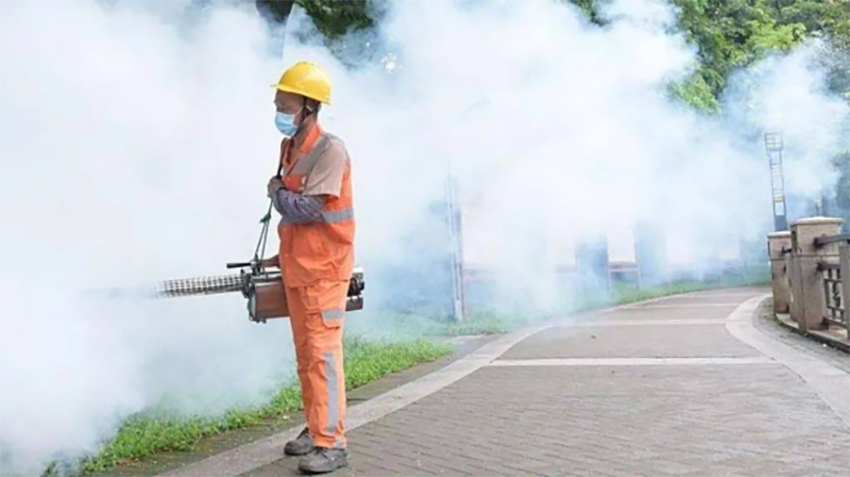
Photo Credit: Getty Images
More than 7,000 cases of chikungunya virus have been reported in China’s southern Guangdong province since early July, marking an unusual outbreak of the mosquito-borne disease in the region. The hardest-hit city, Foshan, has adopted strict containment measures, including mandatory hospitalization and isolation of confirmed cases.
Patients in Foshan are being kept under mosquito nets during their hospital stay and can only be discharged after a negative test result or following a week-long observation period. The measures echo some of the strict protocols implemented during the Covid-19 pandemic and have sparked debate among citizens online.
Chikungunya is a virus spread through the bite of infected mosquitoes. Symptoms typically appear three to seven days after being bitten and include fever, severe joint pain, rash, headache, muscle pain, and swollen joints. While most patients recover within a week, some may suffer from joint pain for months or even years. The virus rarely causes death, but vulnerable groups such as newborns, the elderly, and those with existing health conditions face a higher risk of complications.
The disease, although rare in China, is common in South and South East Asia, and parts of Africa. It was first identified in Tanzania in 1952 and has since been detected in over 110 countries. The World Health Organization emphasizes the importance of eliminating stagnant water, where mosquitoes breed, as the primary method of prevention.
In response to the outbreak, at least 12 cities across Guangdong have reported infections. Nearly 3,000 new cases were logged in the past week alone. On Monday, Hong Kong confirmed its first case—a 12-year-old boy who had recently traveled to Foshan and developed symptoms shortly after.
Authorities in Guangdong are urging residents to eliminate standing water in homes, such as in plant pots, discarded containers, or unused appliances. Those who fail to comply may face fines of up to 10,000 yuan (approximately $1,400). Officials have also taken creative ecological measures, such as releasing 5,000 mosquito-eating fish into local lakes and deploying drones to detect water sources. In addition, “elephant mosquitoes,” known to prey on smaller mosquito species, are being introduced in some areas.
While all reported cases have been described as mild, and 95% of patients have recovered within seven days, the outbreak has caused alarm online. “This is scary. The prolonged consequences sound very painful,” one Weibo user wrote. Others questioned whether the containment measures are necessary, noting that chikungunya is not contagious between people. “What’s the point of the quarantine? It’s not as though an infected patient will then go around biting other people,” one user commented.
Travel advisories have followed, with the US urging increased caution for those planning to visit China. Meanwhile, Guangdong authorities maintain that decisive and forceful actions are essential to prevent further spread of the virus.