

Photo Credit:Getty Images
American consumers have received welcome news just in time for National Ice Cream Day as the price of one of summer's favorite treats continues to decline.
According to recent data released by the Bureau of Labor Statistics, the average cost of a half gallon container of ice cream fell below six dollars last month. This marks a notable shift after two years during which prices consistently averaged more than six dollars per container.
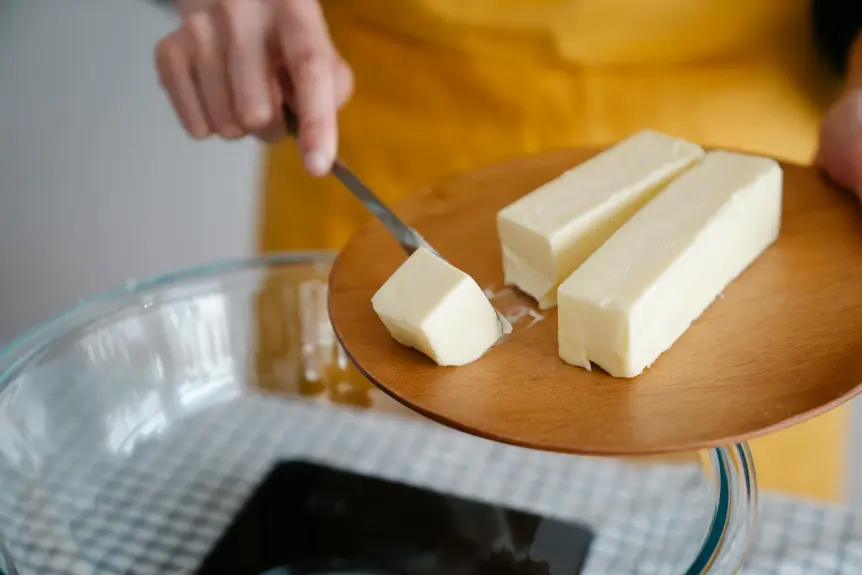
The primary reason behind the decline can be traced to an unlikely source: butter. While shoppers may not immediately associate butter with ice cream, both products depend heavily on butterfat derived from milk. As butter prices have dropped significantly over the past year, manufacturers have benefited from lower production costs.
Butter prices once reached historic highs in 2023, climbing to levels not seen since the 1960s. Since then, increased production and technological advancements within the dairy industry have dramatically improved supply. Today, wholesale butter prices sit far below previous peaks, creating favorable conditions for producers.
Industry experts attribute the changes to innovations in dairy farming. Modern breeding techniques and improved feeding practices have enabled farmers to increase the butterfat content in milk. This has allowed manufacturers to secure higher quality ingredients more efficiently while keeping costs under control.
Fresh cream remains one of the most expensive components of ice cream production. Because federal regulations require products labeled as ice cream to contain a minimum amount of milkfat, fluctuations in butterfat supply have a direct impact on retail pricing.
Consumers are benefiting from these developments at a time when many food products remain expensive. Retailers across the United States have introduced promotional discounts throughout the summer, encouraging customers to purchase more frozen desserts during the hottest months of the year.
Industry surveys indicate that flavor remains the most important factor influencing purchasing decisions. Most shoppers prioritize taste over package size or price, suggesting that consumers view ice cream primarily as an indulgent treat rather than a necessity.
Despite the current relief, analysts caution that prices may not remain low indefinitely. Strong international demand and increased holiday baking later in the year could place upward pressure on butter markets once again.
For now, however, consumers have reason to celebrate. Lower production costs, improved dairy efficiency and seasonal promotions have combined to create a rare moment of affordability in the grocery aisle.
As temperatures rise and families seek relief from summer heat, ice cream lovers can enjoy their favorite flavors knowing their wallets may feel a little cooler as well.