

Photo Credit: Getty Images
Once a sacred ceremonial drink in Japanese tea rituals, matcha has brewed its way into modern kitchens, coffee shops, skincare routines, and even TikTok trends. The bright green powder, made from finely ground shade-grown tea leaves, is more than just a trendy latte ingredient. It's a centuries-old superfood with a fascinating origin, powerful health benefits, and a growing fanbase of health-conscious consumers and aesthetic-loving influencers alike.
Matcha originated in China during the Tang Dynasty, but it was the Japanese who truly elevated it into an art form. By the 12th century, Buddhist monks brought the powdered tea to Japan, where it became integral to Zen meditation practices. The traditional tea ceremony, known as chanoyu, revolves around mindfulness and the precise preparation of matcha, reflecting its deep cultural significance in Japanese history.
In modern times, matcha has traveled far from ancient temples and into Western wellness culture. It is now widely celebrated for its health benefits, which have been backed by nutritionists and researchers alike. Unlike regular green tea, matcha involves consuming the entire leaf, which means you're getting a concentrated dose of nutrients. It is rich in antioxidants known for fighting inflammation and protecting cells from damage. Matcha also contains L-theanine, an amino acid that promotes calm focus without the jittery crash commonly associated with coffee.
Caffeine lovers are especially fond of matcha's unique energy boost. While it has less caffeine than a cup of coffee, the presence of L-theanine results in a more sustained and balanced alertness. It's the go-to drink for those trying to kick their coffee habit without sacrificing productivity or mental clarity.
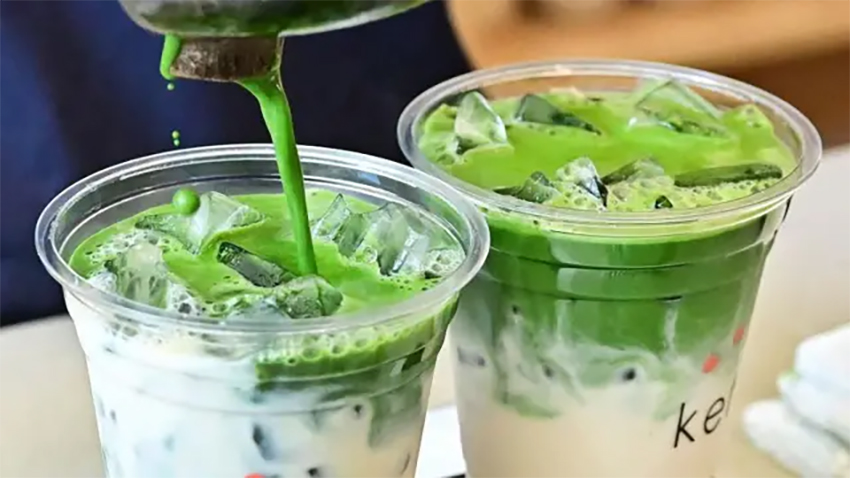
How people consume matcha today varies widely. Traditionally, it's whisked with hot water using a bamboo whisk called a chasen and sipped from a bowl. In modern cafes, it's blended with milk (dairy or plant-based) into lattes, added to smoothies, baked into cakes, or even turned into ice cream. Skincare companies have also jumped on the matcha wave, touting its antioxidant power in face masks and serums.
Public opinion on matcha is generally glowing—though not without a few raised eyebrows. Some first-timers describe it as "grassy" or "earthy," an acquired taste far removed from sugary beverages. Others swear by it, not only for its flavor but also for its wellness-boosting qualities. Social media has amplified its popularity, with users sharing aesthetic matcha routines, complete with frothy swirls and ceramic mugs.
Whether you're drawn to matcha for its health benefits, cultural roots, or simply because it looks good on your feed, one thing is clear: this vibrant green powder is no passing trend. It's a centuries-old staple that continues to evolve, proving that sometimes, the best things really do come in small, powdered packages.