

Photo Credit: Getty Images
Official data released Friday revealed that Japan's core inflation rate climbed to 3.7 percent in May – its highest since January 2023 – with rice prices doubling last month, creating economic and political challenges for Prime Minister Shigeru Ishiba. The rising cost of living is weighing on Ishiba's government as it prepares for critical upper house elections in July.
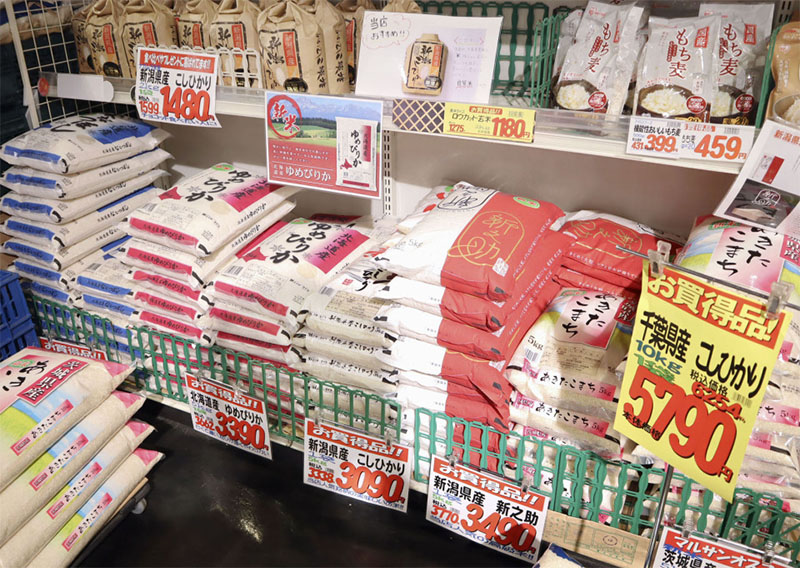
The figure narrowly beat market expectations and was up from a 3.5 percent year-on-year rise logged in April. Rice was more than twice as expensive as a year previously -- despite the government releasing its emergency stockpile of the staple grain to try to bring its price down. A supply chain snarl-up has caused a shortage of rice in shops, with the grain's price up 101 percent on-year in May, compared to the eye-watering 98 percent rise in April.
The government began releasing stockpiles in February in an attempt to drive down prices, something it has only previously done during disasters.
Electricity bills were 11.3 percent higher in May, and gas fees rose 5.4 percent, according to Friday's data. Excluding energy and fresh food, Japan's consumer price index (CPI) rose 3.3 percent, compared to April's 3.0 percent.
To help households combat inflation, Ishiba has pledged cash handouts of 20,000 yen ($139) for every citizen, and twice as much for children, ahead of the election.
The 68-year-old leader's coalition was deprived of a majority in the powerful lower house in October as voters vented their anger at rising prices and political scandals. It was the worst election result in 15 years for the Liberal Democratic Party (LDP), which has governed Japan almost continuously since 1955.
Factors behind the rice shortages include an intensely hot and dry summer two years ago that damaged harvests nationwide. Since then some traders have been hoarding rice in a bid to boost their profits down the line, experts say.