

Photo Credit: Getty Images
The British rap punk duo Bob Vylan is facing serious consequences after its performance at the Glastonbury Festival ignited global controversy. The group, known for blending punk energy with socially charged rap, is under fire for leading chants perceived as inciting violence against Israel's military.
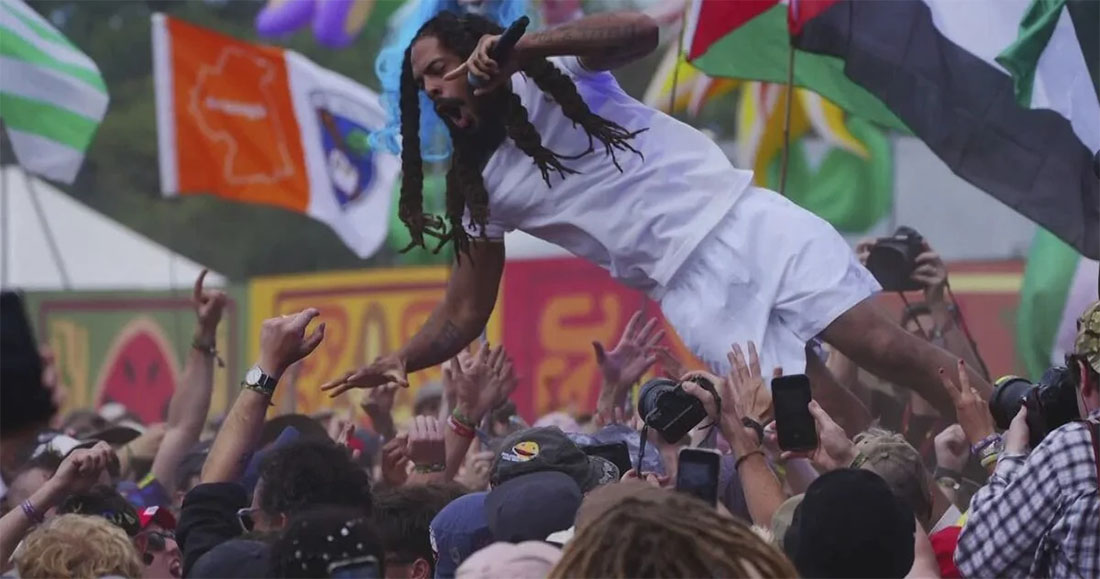
During their set on the West Holts Stage, frontman Bobby Vylan rallied the crowd with pro-Palestinian messages, ending with a bold and provocative chant: "Death, death to the IDF." The moment, which was recorded and circulated widely, prompted swift condemnation from both the United Kingdom and the United States.
The fallout was immediate. On Monday, U.S. Deputy Secretary of State Christopher Landau announced that the band's U.S. visas had been revoked, barring them from their scheduled tour later this year. "Foreigners who glorify violence and hatred are not welcome visitors to our country," Landau stated via X, formerly Twitter.
Domestically, the backlash has been equally severe. UK Prime Minister Keir Starmer denounced the performance, calling it "appalling hate speech." British police confirmed that they are reviewing video footage for potential criminal implications. The Israeli Embassy in London expressed being "deeply disturbed" by the rhetoric, while many organizations labeled the chant as inflammatory and antisemitic.
The BBC, which streamed the set live, issued a statement acknowledging the seriousness of the situation. "With hindsight, this content should have been pulled," the broadcaster said, affirming its stance against incitement to violence.
Despite the outcry, Bobby Vylan stood by his statements. In a social media post captioned "I said what I said," he reiterated the importance of youth activism and encouraging new generations to speak out. "As adults, we often lose the fire for justice. It's our duty to pass the torch," he wrote.
Bob Vylan's music has long been defined by rebellion and confrontation, addressing racism, classism, and societal injustice. But critics argue that this time, the group crossed a line from protest to incitement.
The situation raises wider questions about freedom of expression in music, especially in politically charged performances. While artists often serve as voices for marginalized communities, the boundary between passionate advocacy and dangerous rhetoric is being hotly debated once again.
As authorities continue to investigate, Bob Vylan's future performances—and reputation—remain uncertain. The group, once celebrated for challenging the status quo, now finds itself at the heart of an international controversy that's testing the limits of artistic freedom and responsibility.