

Photo Credit: Getty Images
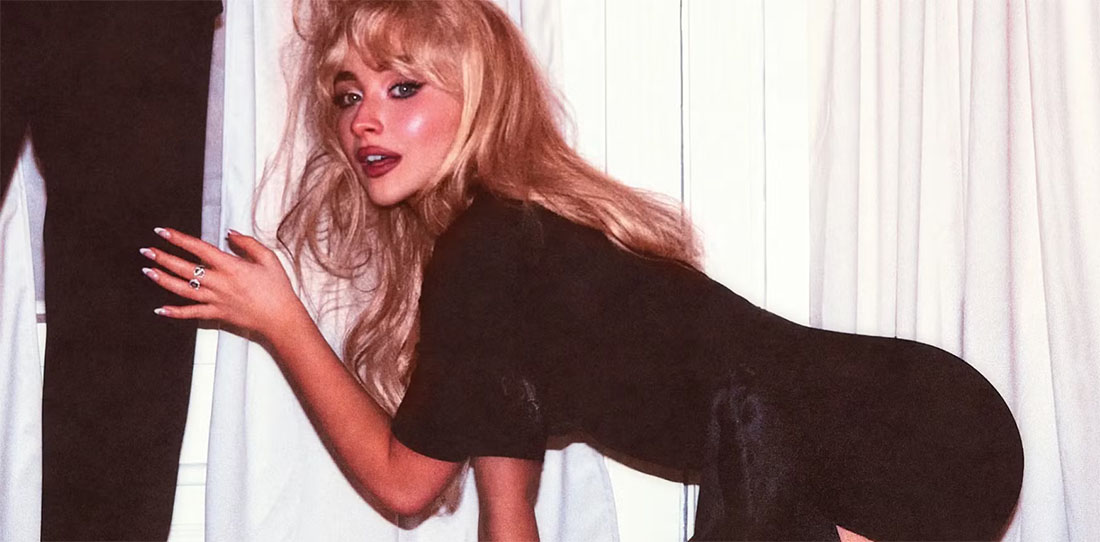
Sabrina Carpenter unleashed a firestorm of debate this month with the artwork for her seventh studio album, Man’s Best Friend (dropping August 29, 2025), which depicts the 26‑year‑old singer on all fours in a black minidress and heels, while an anonymous male figure grips her hair. Critics argue it panders to the male gaze and promotes misogynistic tropes with many calling it “disturbing,” “degrading,” and reminiscent of viewing women as pets rather than equal, empowered beings. Glasgow Women’s Aid, a UK-based domestic abuse charity, denounced the image as “regressive,” warning it reinforces stereotypes of female submission laced with violence and control.
On social media platforms such as Reddit and Instagram, the backlash was fierce. One user wrote, “It’s just ew… if you’re going to do the whole ‘sexy and submissive’ thing, at least find a fresh take,” while another described the imagery as “anti‑feminist and over‑sexualized.” European commentary echoed that the album campaign feels outdated—an example of millennial-era shock tactics falling flat in a cultural moment when Gen Z is deeply critical of pornification and visual exploitation.
Carpenter responded to criticism with characteristic wit, quipping in an X post, “Girl yes and it is goooooood,” when someone asked if she had a personality beyond her sexuality. In interviews surrounding the album rollout, she emphasized that her body of work includes introspective material and that she fully controls her image and creative direction.
Among the praise came from unexpected quarters. Carly Simon, whose own 1975 Playing Possum cover once ignited similar uproar, defended Carpenter, describing the current cover as “tame” and noting that there have always been album covers far more provocative (like the Rolling Stones’ Sticky Fingers). Simon framed the debate as part of a long tradition of powerful female artists reclaiming sexuality in art, rather than succumbing to male‑driven objectification.
Observers suggest that the Man’s Best Friend artwork reflects broader tensions around sexuality, agency and feminism. As pop critic Arwa Mahdawi put it, the image is “not subtle or sex‑positive, it’s just soft porn pandering to the male gaze” in a world where violence against women remains rampant.
Others argue it’s deliberately provocative, designed to challenge viewers and spark conversation. Whatever the intent, critics and supporters agree on one thing: Carpenter’s image has reignited a critical dialogue around where the line between empowerment and exploitation truly lies, and whether provocatively sexual imagery in pop music remains relevant or responsible today.