

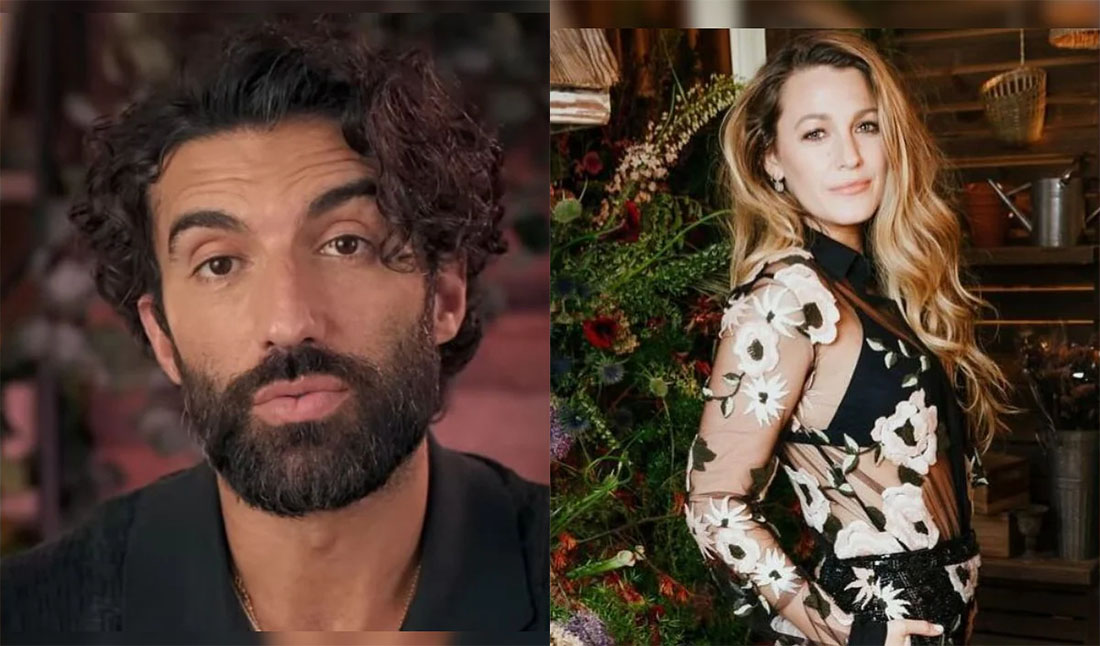
Photo Credit: Getty Images
The legal battle between It Ends With Us co-stars Justin Baldoni and Blake Lively has escalated following the unsealing of private text messages that suggest a deep-seated distrust on set. In recent documents, Baldoni claimed that Lively attempted to “set him up” by refusing to use a body double for the film’s intimate sequences, creating a situation he feared would lead to allegations of misconduct.
The correspondence, dated December 30, 2023, consists of messages sent from Baldoni to his former agent at WME, Danny Greenberg. In the texts, Baldoni described a “really, really bad week” of production, alleging that Lively had directly emailed him to request a private meeting at her home - an invitation he viewed with suspicion. “She’s refused a body double, which now Sony and [producer] Todd Black have to jump in to make sure that happens because that’s just setting me up for a trap,” Baldoni wrote. He further alleged that Lively rejected his storyboards for the sex scenes and insisted on keeping both actors fully clothed for the “big love scene,” a creative choice Baldoni called “ridiculous” in the context of the source novel.
These unsealed messages provide a glimpse into the deteriorating relationship between the director-star and his leading lady just days before a pivotal “all-hands” meeting. That meeting reportedly focused on 17 specific “protections” Lively demanded for her safety and comfort before filming could resume after the Hollywood strikes. While Baldoni framed the body double dispute as a “trap,” sources close to Lively have countered that her request was a reasonable boundary established after she had already expressed discomfort with Baldoni’s conduct on set.
The revelation of these texts is the latest chapter in a massive legal saga that began in December 2024, when Lively filed a $160 million lawsuit against Baldoni and his production company, Wayfarer Studios, alleging sexual harassment and a subsequent smear campaign. Baldoni has denied all allegations and previously filed a $400 million countersuit, which was dismissed by a judge in June 2025.
As of January 2026, both parties are preparing for a significant court hearing on January 22, with a full trial currently scheduled for May 18, 2026. The case continues to serve as a landmark example of the complexities surrounding intimacy, creative control, and legal accountability in the modern film industry.