

Photo Credit: Getty Images
Porsche recorded its steepest annual decline in deliveries since the global financial crisis, underscoring the mounting pressures facing the German sports-car maker as it recalibrates its strategy amid weak demand in China and a misjudged push into electric vehicles.
The Volkswagen-owned brand sold 279,449 vehicles last year, a fall of about 10 per cent compared with the previous year. The drop marks Porsche's most pronounced contraction since 2009, when sales slid during the depths of the recession triggered by the collapse of global credit markets.
The downturn comes at a sensitive moment for the company, which is undergoing a leadership transition and grappling with structural challenges across its core markets. Michael Leiters, who assumed the role of chief executive at the start of the year, has inherited a business forced to rethink its product mix and cost base.
China was the single biggest drag on performance. Deliveries in the country fell 26 per cent, reflecting both a slowing economy and intensifying competition from domestic manufacturers that have moved aggressively into the premium segment. Local brands are increasingly appealing to affluent buyers with high-end interiors, advanced software and competitive battery technology, eroding Porsche's traditional advantages.
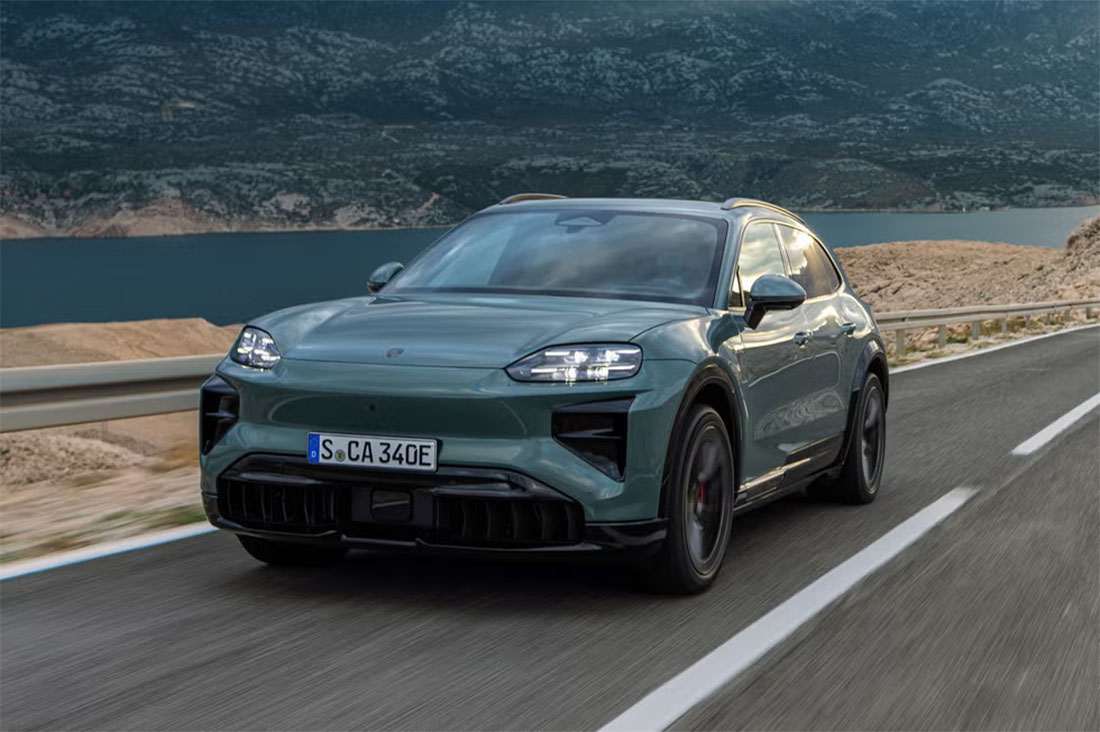
Europe also weighed on results, with sales in Germany, the company's home market, dropping sharply. Part of the weakness was attributed to "supply gaps" for the 718 sports car and the Macan SUV, Porsche's best-selling model. The carmaker stopped offering petrol versions of both vehicles in Europe after they failed to meet updated EU cybersecurity rules, and it opted not to develop compliant replacements.
The disruption forced Porsche into an expensive revision of its model plans. After demand for its electric vehicles came in below expectations, the group shifted its focus back towards combustion-engine and hybrid cars, shelving or delaying several battery-powered launches.
North America proved more resilient, with sales broadly stable despite the introduction of higher US tariffs. The region has overtaken China as Porsche's most important market by volume, offering some insulation from declines elsewhere.
Porsche has launched a restructuring programme aimed at trimming production capacity and reducing costs, including talks with labour representatives in Germany. Management has cautioned against expecting a rapid rebound, signalling that volumes will be planned conservatively while the company prioritises profitability and expanded customisation over sheer scale.