

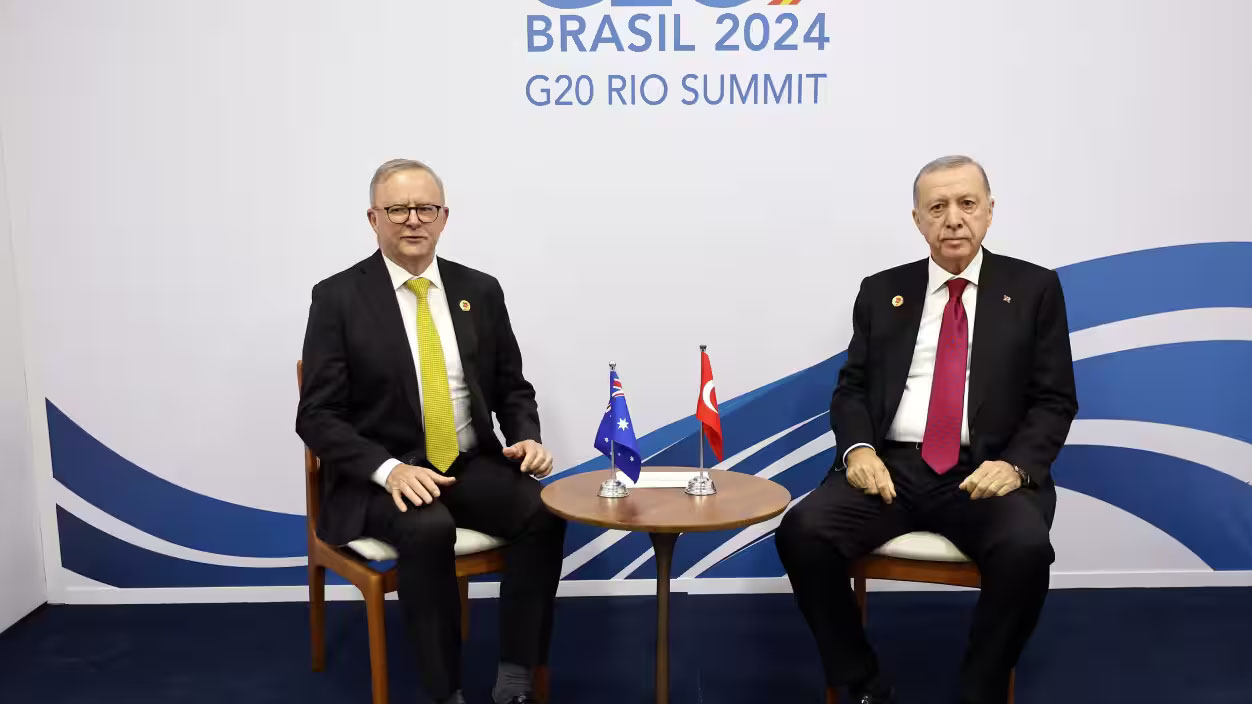
Photo Credit: Getty Images
An emerging compromise between Turkey and Australia is set to determine the structure of next year's United Nations climate summit, with Turkey poised to host COP31 while Australia leads the governmental negotiations. The arrangement, confirmed by Australian Prime Minister Anthony Albanese, ends a prolonged impasse between the two countries, both of which had sought hosting rights since 2022. The new plan allows Turkey to stage the conference in Antalya while Australia assumes a central diplomatic role, guiding the negotiation process that underpins global climate commitments.
This solution arrives after months of quiet diplomacy and reflects the complexity of organising a summit that attracts tens of thousands of participants. Australia's Climate Change Minister Chris Bowen noted that while the bid initially aimed for full hosting responsibilities, the compromise still enables Australia to shape the summit's outcome. He is expected to direct the negotiations, appoint facilitators and prepare summit decisions, a role that maintains Australia's influence in global climate dialogues.
The Pacific region expressed disappointment, as many island nations had hoped for a summit centred directly on their climate vulnerabilities. Papua New Guinea's foreign minister emphasized the urgency for stronger global recognition of the region's disproportionate suffering despite contributing negligible emissions. Nevertheless, Australia insists it has ensured significant Pacific involvement, highlighting its commitment to frontline climate concerns.
Turkey, meanwhile, intends to use its emerging-economy position to underscore solidarity between wealthier and developing nations. Its hosting aims to broaden the summit's global focus and advance discussions on climate responsibilities and financing. The choice of Antalya positions Turkey to present itself as a mediator between diverse climate interests.
Analysts suggest the compromise may ease logistical burdens for Australia while strengthening cooperation between both countries. It also provides an opportunity for the Pacific to shape pre-COP events, maintaining visibility for its climate agenda. With only a year before the summit begins, both nations must coordinate extensive preparations to ensure a cohesive and productive international gathering.
As climate impacts intensify, COP31 will carry significant expectations. The new hosting arrangement reflects not only diplomatic negotiation but also shifting global attention toward regions most affected by climate change. Whether the compromise achieves a balanced outcome remains to be seen, yet it underscores the evolving dynamics shaping international climate governance.