

RUSSIA SUSPECTED IN IRAN'S CIA FACILITY ATTACKS US LAUNCHES SECRET PROBE
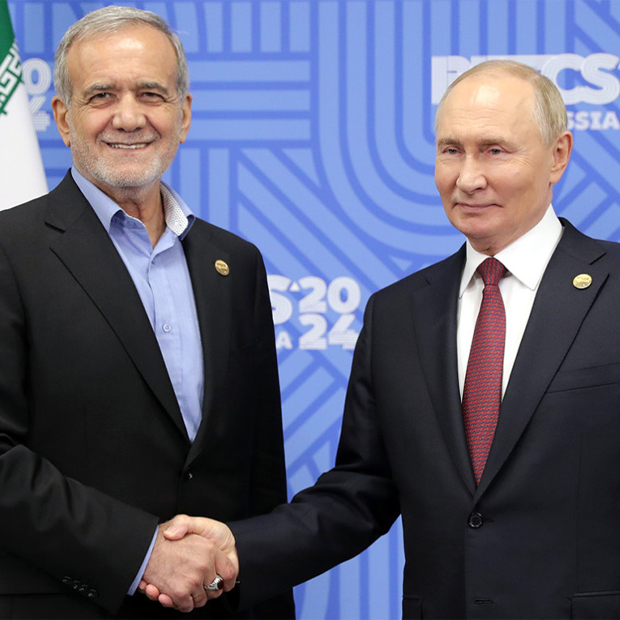
Photo Credit: Getty Images
US intelligence has opened a quiet, high-stakes investigation into whether Russia helped Iran strike CIA facilities across the Gulf.
Photo Credit: Getty Images
US intelligence has opened a quiet, high-stakes investigation into whether Russia helped Iran strike CIA facilities across the Gulf.
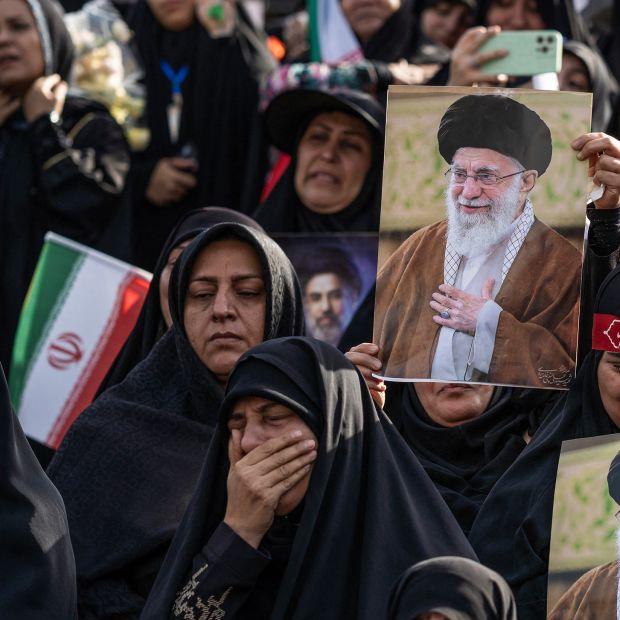
Photo Credit: Getty Images
Iran’s top officials and brothers of the country’s new supreme leader emerged into public view Sunday to attend the funeral prayers for the late Ayatollah Ali Khamenei, signaling a new confidence in their safety as calls grew for the killing of U.S. President Donald Trump.
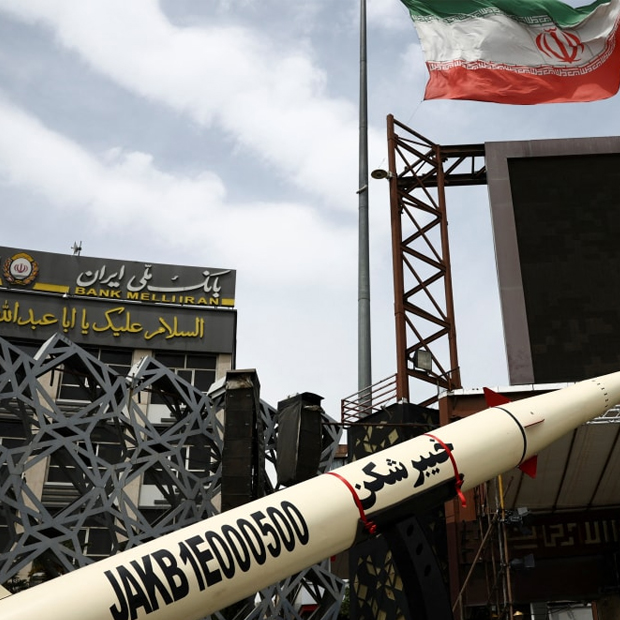
Photo Credit:Getty Images
Iran's Islamic Revolutionary Guard Corps claimed Tuesday its forces fired cruise missiles at Amazon's central data infrastructure in Bahrain and wiped it out.
Fars News Agency, an outlet linked to the IRGC, reported the strike in a translated statement. The claim has not been independently verified by Western outlets or officials.
The IRGC also said its Aerospace Force struck US air defense systems and radar sites in Bahrain's Muharraq and Riffa districts during the same operation.
Bahraini authorities, US officials and Amazon have all stayed silent on the allegations. Tehran framed the strike as retaliation for what it called a US attack on an under construction civilian facility in Darkhovin.
US Central Command has pummeled Iranian targets nightly, insisting the campaign is meant to gut Iran's ability to menace shipping lanes through the Strait of Hormuz. Iran has warned that continued American strikes will draw retaliation against regional infrastructure tied to US forces.
President Donald Trump has vowed Iran will pay "many times over" for the deaths of American troops in Jordan and Iraq. Iran's mission in Vienna has separately urged the International Atomic Energy Agency and the UN Security Council to condemn the US strike on the Darkhovin nuclear site.
Tech firms have repeatedly found themselves caught in the crossfire since the conflict reignited. Amazon Web Services facilities in the UAE and Bahrain were hit by drone strikes back in March, triggering widespread outages.
Weeks later, the IRGC threatened a broader wave of attacks against American tech giants operating across the Middle East, naming Nvidia, Apple, Microsoft and Google.
Analysts warn that if the fighting drags into August, depleted inventory buffers could push Gulf production down further and send prices soaring past the triple digit mark.
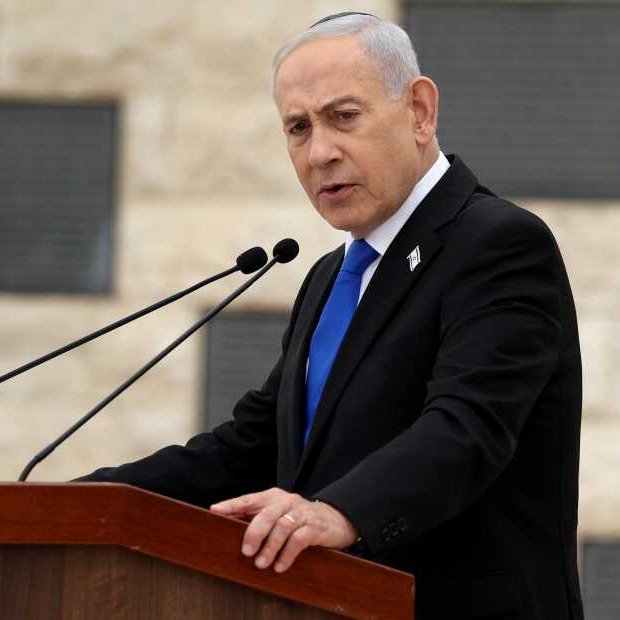
Photo Credit:Getty Images
Israel's Prime Minister Benjamin Netanyahu has urged the nation to break free from its military reliance on the U.S. and establish its own weapons production capabilities, a move seen as a strategy to fortify Israel's stance in its ongoing conflict with Iran.
Netanyahu expressed his views during a meeting with reserve combat officers in the West Bank's Gush Etzion on Tuesday. While he acknowledged the support received from the U.S., he stressed the importance of Israel having an independent weapons-production system, reported the Times of Israel.
"…But today I say: We need our own independent weapons-production system. We must manufacture our own armaments," said Netanyahu.
The Prime Minister stated, "We are now confronting Iran and its proxies. We have struck them hard. It is not over yet, but it depends on our strength." He further added that Israel's position in the next 30 years would be determined by its strength and independence in armament capability.
IDF Strikes Amid Diplomatic Friction
On Tuesday, Israel Defense Forces (IDF) said it struck an armed group it identified as terrorists near the Ali al-Tahir ridge in southern Lebanon, stating the operation was aimed at removing immediate threats and preventing Hezbollah from targeting Israeli civilians and forces.
Meanwhile, Former Israeli Prime Minister Naftali Bennett said Israel smuggled thousands of Starlink, Space Exploration Technologies Corp's receivers into Iran to help anti-government protesters maintain internet access and communications despite government restrictions, reported Reuters.
The remarks come as U.S.-Iran tensions rise and Israel worries Washington's diplomatic efforts could constrain its military options. Earlier this month, U.S. intelligence reportedly warned that Israel might seek to undermine a potential U.S.-Iran agreement to maintain pressure on Tehran and bolster Netanyahu's political standing.
Last week, Vice President JD Vance said that roughly two-thirds of the defensive weapons protecting Israel in recent months were supplied and funded by the U.S.
Earlier this month, Section 224 of the proposed National Defense Authorization Act (NDAA) emerged as a flashpoint in Congress. The provision would deepen U.S.-Israel military and defense-industry ties through joint research, weapons co-production, licensing agreements, and broader industrial integration. Despite bipartisan concerns, a congressional panel voted against removing the measure, allowing it to remain in the defense bill.
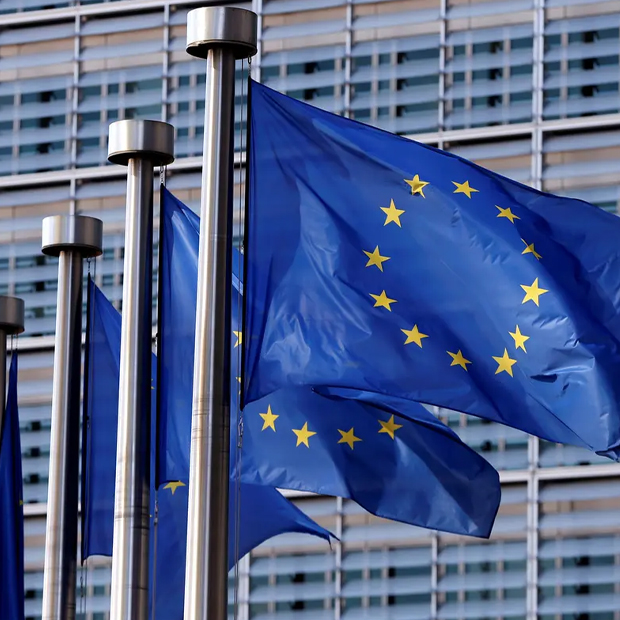
Photo Credit: Getty Images
The European Commission said on Monday it had launched an initiative with 15 partners to deliver €883.6 million ($1 billion) in aid to Gaza.
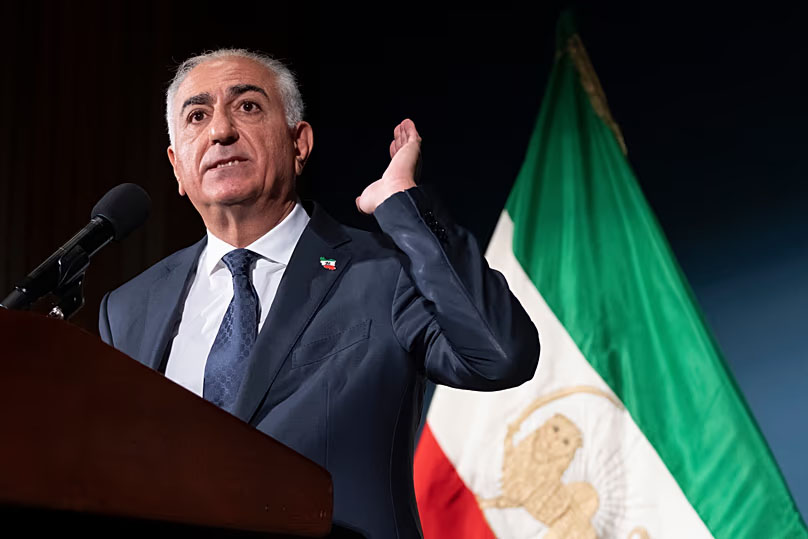
Photo Credit: Getty Images
Iran has threatened retaliation against U.S. military bases in the Middle East after President Donald Trump announced a fresh round of American strikes on Iranian military targets, accusing Tehran of violating a recently agreed ceasefire.
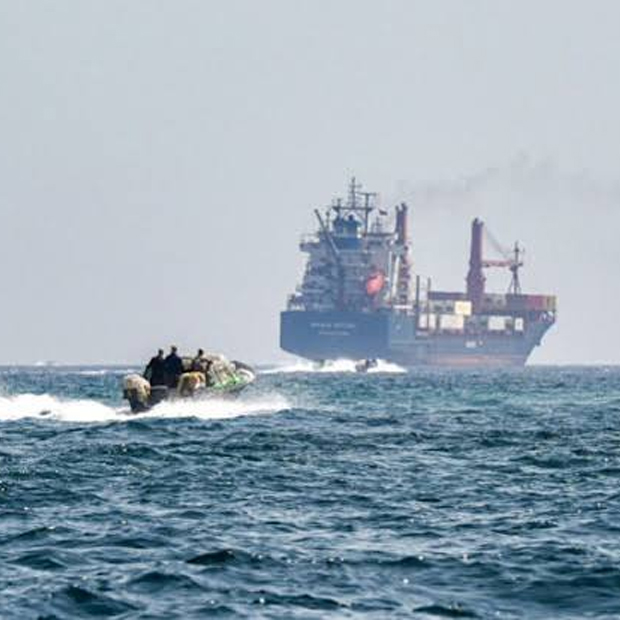
Photo Credit: Getty Images
Iran claims it has launched attacks on 85 US military sites in Bahrain and Kuwait following fresh US strikes on commercial vessels in the Strait of Hormuz.
Photo credit: Getty images
The United States has issued a temporary 60-day general license authorizing the production, delivery, and sale of Iranian crude oil, petrochemicals, and petroleum products through August 21.
Photo Credit: Getty Images Defense Secretary Pete Hegseth met with Israeli Prime Minister Benjamin...
Photo Credit: Getty Images The airport in the Saudi Arabian capital, Riyadh, was attacked again on...
Photo Credit: Getty Images The United States has denied visas to some members of Iranian President Masoud...
Photo Credit:Getty Images Dubai Integrated Economic Zones Authority recorded a 96 percent...
Photo Credit: Getty Images President Donald Trump said on Monday that Iran would not make the deal...
Photo Credit: Getty Images A Syrian court has sentenced the country’s former president, Bashar...
Photo Credit:Getty Images Israeli Prime Minister Benjamin Netanyahu insists he has rejected...
Photo Credit: Getty Images Saudi Arabia, Turkey and Pakistan have signed a joint defence...
Photo Credit: Getty Images US intelligence has opened a quiet, high-stakes investigation into whether...
Photo Credit:Getty Images Iran's Islamic Revolutionary Guard Corps claimed Tuesday its forces...
Photo Credit: Getty Images The European Commission said on Monday it had launched an initiative...
Photo Credit: Getty Images Iran claims it has launched attacks on 85 US military sites in Bahrain and...




