

Photo Credit: Getty Images
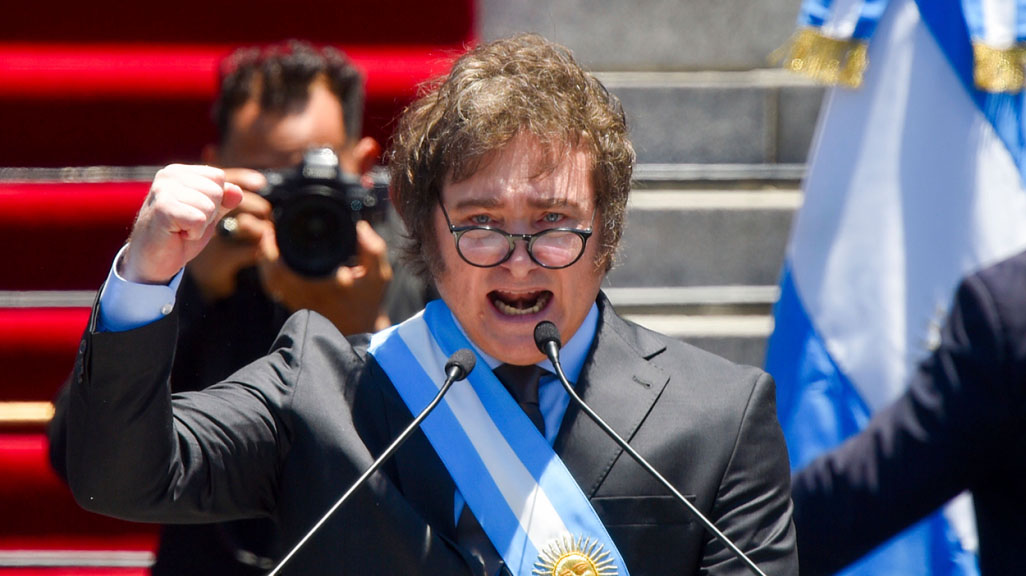
Argentina’s President Javier Milei has secured a decisive victory in the country’s midterm elections, strengthening his mandate to push ahead with sweeping austerity and pro-market reforms that have sharply divided the nation.
Milei’s party, La Libertad Avanza (Freedom Advances), captured nearly 41% of the national vote, winning 13 of 24 contested Senate seats and 64 of the 127 lower-house seats. The landslide result significantly expands Milei’s power base in Congress, where he previously struggled to pass legislation due to limited representation.
Before Sunday’s election, Milei’s coalition held just seven seats in the Senate and 37 in the lower house—forcing him to rely on executive decrees and often face legislative pushback. Several of his vetoes on bills to boost funding for public universities, disability programs, and children’s healthcare had been overturned by opposition lawmakers.
The strong midterm showing now positions him to advance his controversial “chainsaw” economic agenda—a radical cost-cutting program aimed at shrinking the Argentine state. Since taking office in 2023, Milei has slashed budgets for education, pensions, infrastructure, and subsidies, laid off thousands of public workers, and pledged to deregulate key sectors of the economy.
Supporters hail these reforms as painful but necessary. They credit Milei with taming inflation—once above 100% annually—reducing the fiscal deficit, and restoring investor confidence. His populist rhetoric and unorthodox style have earned comparisons to former U.S. President Donald Trump, who openly backed Milei both before and after the election. Trump congratulated him online, writing, “He’s making us all look good,” while also hinting that a promised $40 billion U.S. financial package hinged on Milei maintaining political strength.
On election night, Milei told cheering supporters in Buenos Aires, “We must consolidate the path of reform we have embarked upon to turn Argentina’s history around once and for all—to make Argentina great again.”
Still, critics argue the cost of his reforms has been devastating for ordinary citizens. Rising unemployment, factory closures, and deep cuts to public services have intensified social hardship. Retirees, people with disabilities, and low-income families say they have borne the brunt of the austerity.
Juliana, who works with children with disabilities in Tucumán province, fears renewed cuts. “Our salaries remain low while everything else increases. We don’t see real change,” she said. Veronica, a retired police officer, added, “There’s a lot of poverty. Many factories have closed. It’s very hard for families.”
Milei’s economic gamble also faces mounting risks. To stabilize the peso, his administration has kept the currency artificially high, draining reserves ahead of $20 billion in debt repayments due next year. Economists warn that without sustained foreign support, Argentina could face another currency crisis.
Even so, Sunday’s results show that a large share of Argentines prefer Milei’s tough-love reforms to the Peronist policies many blame for years of economic decline. As financial markets reacted positively to his victory, analysts said the vote reaffirmed international faith in Milei’s fiscal experiment—at least for now.
The next test lies in whether his austerity drive translates into tangible improvements for voters before the 2027 presidential election. For the moment, Milei’s supporters remain steadfast, convinced that enduring short-term pain is the price of long-term recovery.
“Freedom has won,” one jubilant supporter said. “Now, with more deputies and senators, he can finally change the country.”