

Photo Credit: Getty Images
The Trump administration has significantly scaled back threatened high-level tariffs on 13 Italian pasta producers, averting a move that could have seen import taxes exceed the actual value of the product. The Italian foreign ministry announced on Thursday that the proposed rates were drastically reduced after the U.S. confirmed the firms had addressed its concerns. Previously, the U.S. had accused these companies of "unfairly low" pricing and threatened to impose tariffs of nearly 92%, which would have caused prices to spike for American consumers.
Since returning to the White House last year, US President Donald Trump has unleashed a wide-ranging programme of these taxes, though some have since been softened.
The president has sought to address trade practices that he sees as harmful to the US and boost American manufacturing. But economists have consistently warned that such moves can ultimately drive up costs for consumers, worsening cost-of-living issues.
In the case of pasta, the US alleged that Italian-made goods were being sold at "less than normal value" in the US, which undercut local producers. This pricing policy is sometimes known as dumping.
The commerce department was planning to charge a tariff rate of 91.74% for American imports of pasta made by the 13 Italian producers.
Given that there is now an underlying 15% tariff on most products bought into the US from the European Union, the plan would have resulted in the rate of tax on pasta exceeding 100% of its value.
It sparked fears of consumers experiencing major price increases, although the produce made by the 13 companies represents only a small share of total Italian pasta imported into the US.
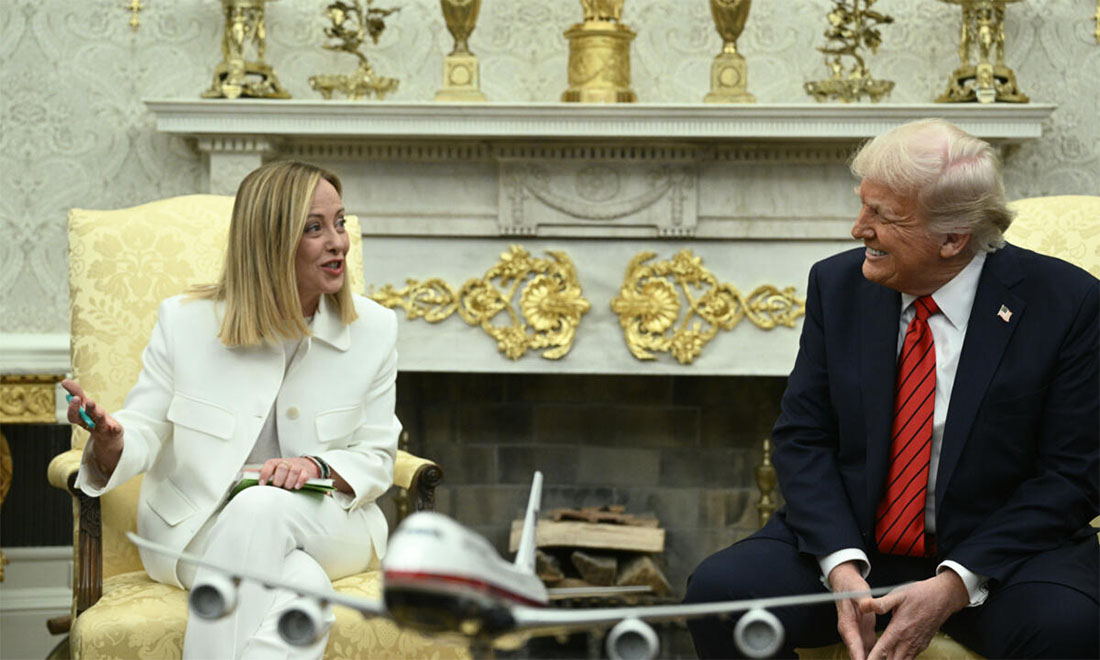
The plan would have also represented a political headache for Italian Prime Minister Giorgia Meloni, who enjoys a relatively close relationship with Trump among European leaders.
On Thursday, the Italian foreign ministry announced that the US had wound back its plan, saying this represented "an acknowledgement by the US authorities of the constructive co-operation shown by Italian companies".