

Photo Credit: Getty Images
European Union leaders have agreed to extend a €90bn loan to Ukraine, aiming to stabilize Kyiv's finances over the next two years, after marathon talks in Brussels exposed deep divisions over whether frozen Russian state assets should be used as collateral.
European Council president António Costa said the bloc had "committed and delivered," confirming the loan would be backed by the EU budget and repaid only if Russia eventually pays reparations for its invasion of Ukraine under international law, officials stressed publicly.
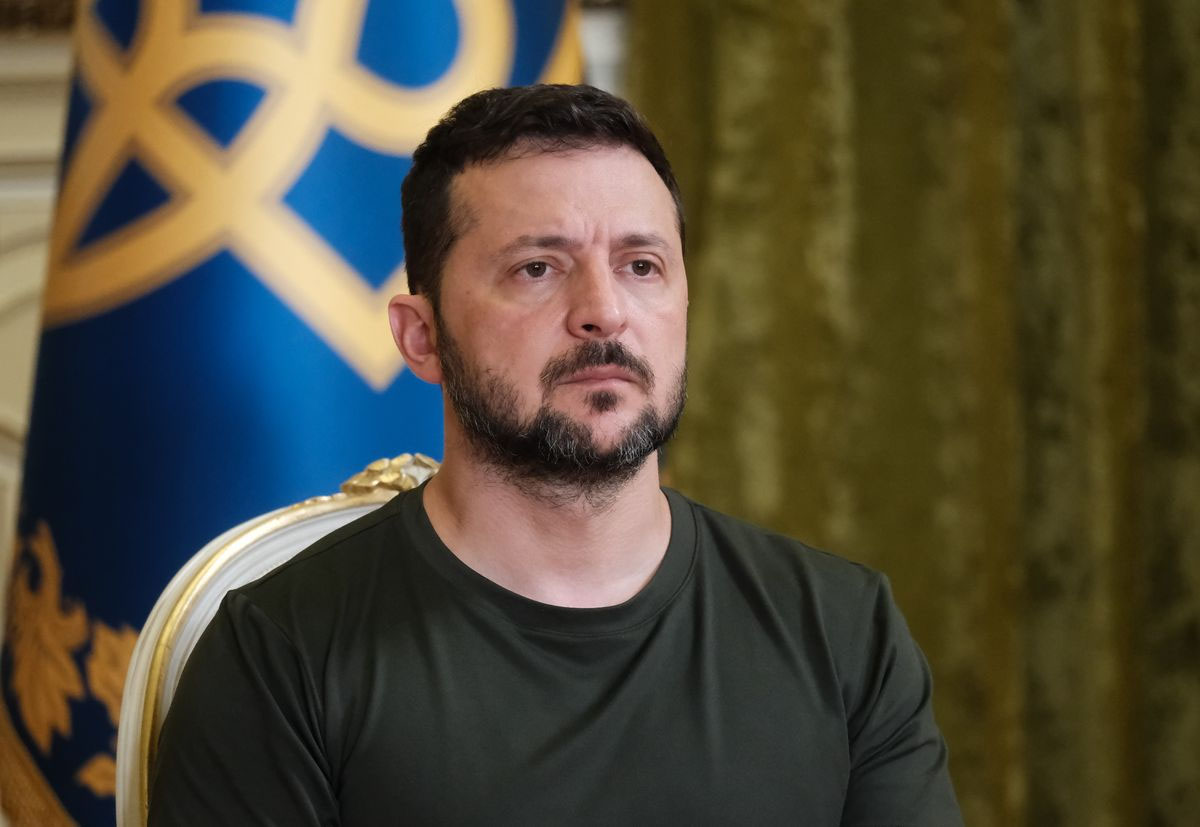
Ukraine's president Volodymyr Zelenskyy welcomed the agreement, saying it strengthened national resilience while ensuring Russian assets remain immobilized, describing the deal as a vital financial guarantee as the war continues to strain public finances and military spending across multiple fronts nationwide.
Several member states had pushed to secure the loan against roughly €210bn in frozen Russian funds, but Belgium, where most assets are held, demanded sweeping guarantees amid fears of costly legal challenges from Moscow and prolonged diplomatic fallout, officials warned privately.
German chancellor Friedrich Merz argued the compromise still sends a clear signal to Vladimir Putin, insisting Russian assets would ultimately service the debt if reparations are refused, even if legal timelines have shifted slightly, according to Berlin officials briefed reporters later.
Raising the loan on capital markets allows funds to reach Kyiv faster, with Merz predicting availability by mid-January, well ahead of an expected spring cash crunch facing Ukraine's government as wartime pressures intensify and revenues remain constrained amid ongoing hostilities nationwide.
Agreement was unlocked after Hungary, Slovakia and the Czech Republic accepted EU budget funding provided but were exempt from loan guarantees, enabling consensus without altering their domestic fiscal positions or political messaging at home, leaders said following trilateral discussions overnight Thursday.
While some leaders hailed unity, Russia's negotiators claimed the failure to tap frozen assets proved law and common sense prevailed, even as the Kremlin faces mounting economic pressure from sanctions and prolonged battlefield costs linked to continued operations inside Ukraine, analysts.
Brussels has urged non-EU allies to help close Ukraine's remaining funding gap for 2026 and 2027, warning delays could undermine stability, as debates over Russian assets are likely to resurface amid shifting geopolitics, electoral cycles, and uncertain transatlantic commitments ahead globally.