

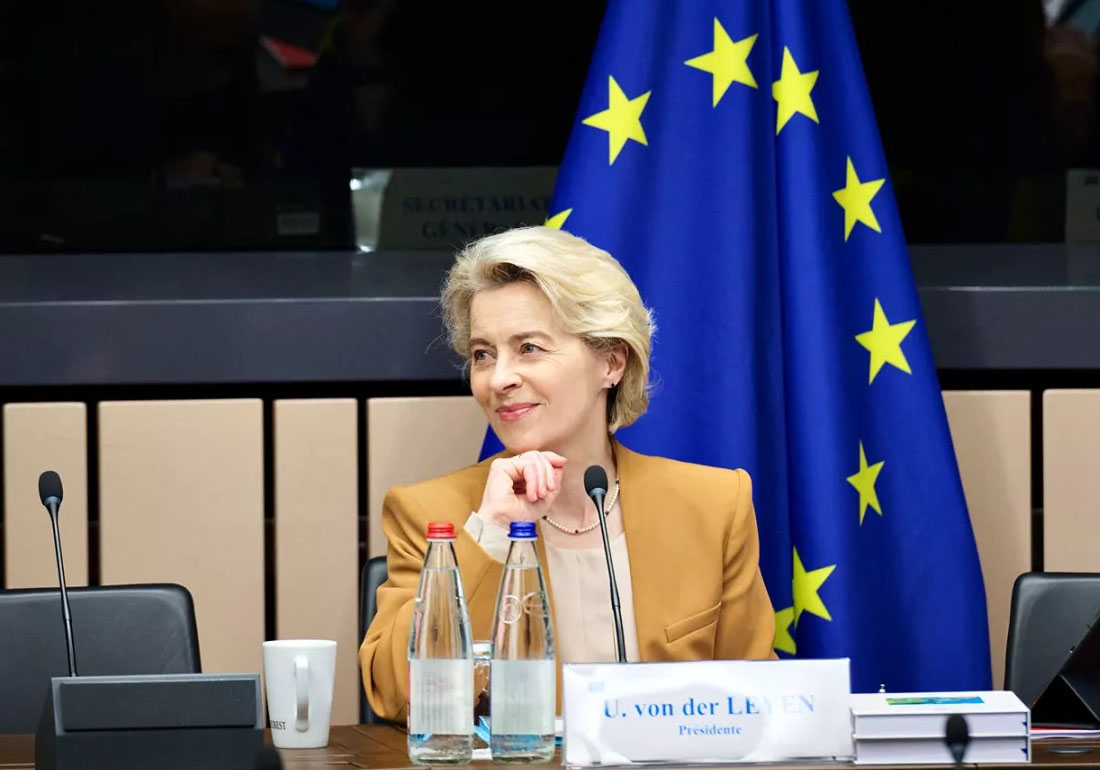
Photo Credit: Getty Images
The European Union has reached a decisive breakthrough in its long-running effort to channel frozen Russian assets into financial support for Ukraine, agreeing to indefinitely immobilise Moscow's sovereign funds held across the bloc. The move eliminates the risk that future political disagreements, particularly from Hungary or Slovakia, could force the return of the €210 billion in Russian central bank holdings locked in European institutions since the 2022 invasion.
EU officials say the change is essential for advancing a planned "reparations loan" that could provide Ukraine with up to €165 billion in 2026 and 2027. That loan would be guaranteed by EU governments and repaid only once Russia compensates Kyiv for wartime destruction, effectively transforming it into a grant backed by future reparations.
Belgium, home to Euro clear, where €185 billion of the frozen Russian assets sit, had resisted endorsing the loan without stronger legal assurances. Thursday's decision was designed specifically to ease those concerns.
The shift also neutralises the threat of repeated six-month renewals, which until now have required unanimous approval by all 27 EU capitals.
Hungary's Prime Minister Viktor Orbán condemned the new approach, accusing Brussels of using a qualified-majority mechanism in a way he believes "will cause irreparable damage to the EU." Budapest signaled it would pursue measures aimed at "restoring a lawful state of affairs," though officials in Brussels appeared unfazed.
The Kremlin's response was swift. Russia's central bank called the EU move illegal and vowed to defend its interests, noting it has already filed suit in Moscow against Euroclear for what it describes as damaging restrictions on access to its funds and securities. Euroclear has been tied up in Russian court challenges since sanctions began.