

Photo Credit: Getty Image
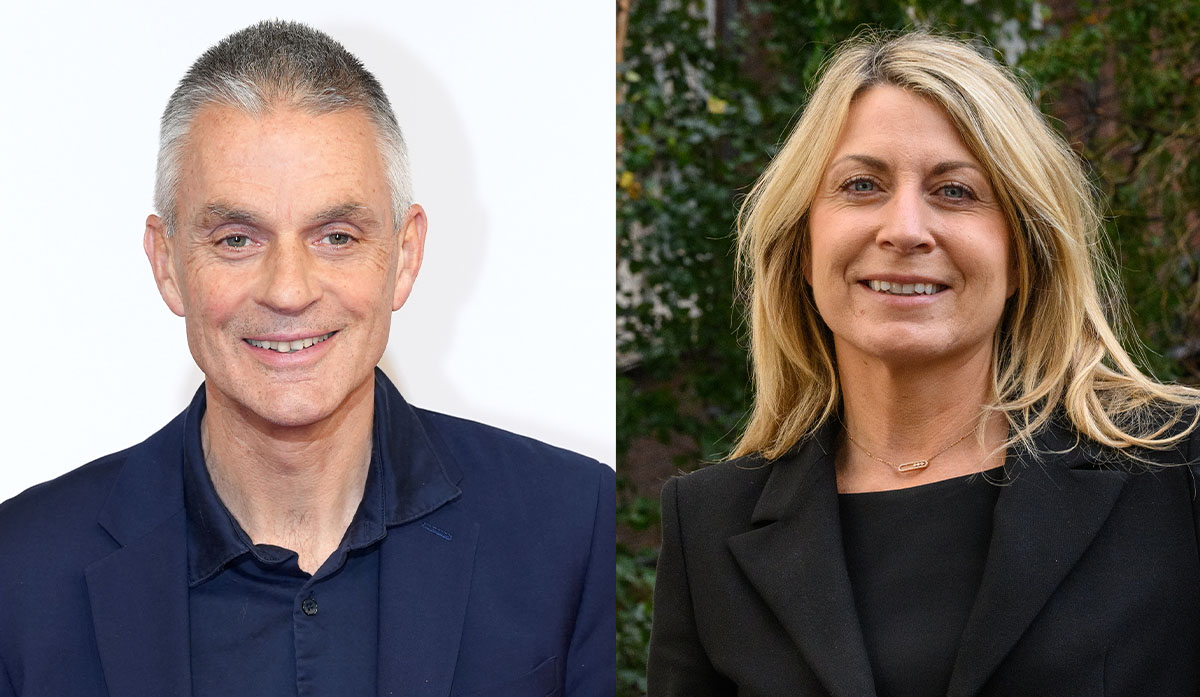
The BBC has been thrown into turmoil following the shock resignations of Director General Tim Davie and Head of News Deborah Turness after a Panorama documentary came under fire for misleading editing of a Donald Trump speech. The dual resignation — unprecedented in the broadcaster’s history — marks a seismic moment for the corporation, already grappling with growing scrutiny over impartiality and editorial standards.
The controversy began when The Telegraph published details of a leaked internal memo on Monday, revealing that the Panorama programme had spliced together two segments of Trump’s January 6, 2021 speech to make it appear as though he explicitly encouraged the Capitol riot. In the edited version, Trump was heard saying, “We’re going to walk down to the Capitol… and I’ll be there with you. And we fight. We fight like hell.” The two lines were in fact spoken more than 50 minutes apart in the original address, in which he had also told supporters to “cheer on our brave senators and congressmen and women.”
The leak sparked outrage in both the UK and the US, with critics accusing the BBC of distorting context to frame the former president unfairly. The White House called the broadcaster “100% fake news,” while Trump himself welcomed the resignations, saying the BBC leaders had been “caught doctoring my very good (PERFECT!) speech.”
Davie, who led the BBC for five years, announced his decision on Sunday evening, citing the mounting controversy and wider concerns about the broadcaster’s accountability. “Like all public organisations, the BBC is not perfect,” he said. “While not being the only reason, the current debate around BBC News has understandably contributed to my decision… mistakes have been made and as director general I have to take ultimate responsibility.”
Turness, who had served as CEO of News and Current Affairs for three years, echoed the sentiment, saying the situation had “reached a stage where it is causing damage to the BBC.” She added, “The buck stops with me. While mistakes have been made, I want to be absolutely clear that recent allegations that BBC News is institutionally biased are wrong.”
The leaked memo, written by former BBC editorial adviser Michael Prescott, also raised concerns about systemic issues within the broadcaster, including alleged bias in BBC Arabic’s coverage of the Israel-Gaza conflict and the handling of trans-related reporting. It painted a picture of internal frustration and slow management response to editorial failings.
BBC Chairman Samir Shah described the resignations as a “sad day” for the organisation, noting that Davie had “the full support” of the board but acknowledging the “continued pressure” that led to his departure. Culture Secretary Lisa Nandy thanked Davie for steering the BBC through “a period of significant change,” adding that the upcoming Charter review would help the corporation “adapt to this new era.”
Political reactions were swift. Conservative leader Kemi Badenoch called the resignations “right,” arguing that “a catalogue of serious failures” demanded structural reform. Liberal Democrat leader Sir Ed Davey urged the BBC to “turn a new leaf,” while Reform UK’s Nigel Farage called for “wholesale change” at the top.
As the BBC board prepares to appoint a new director general, questions loom large about how the broadcaster will rebuild public trust and maintain its reputation for impartial journalism in an increasingly polarized media landscape. Whoever steps in next will inherit not just a crisis of confidence but also the daunting task of steering one of the world’s most respected news institutions through its most turbulent period in decades.