

Photo Credit: Getty Images
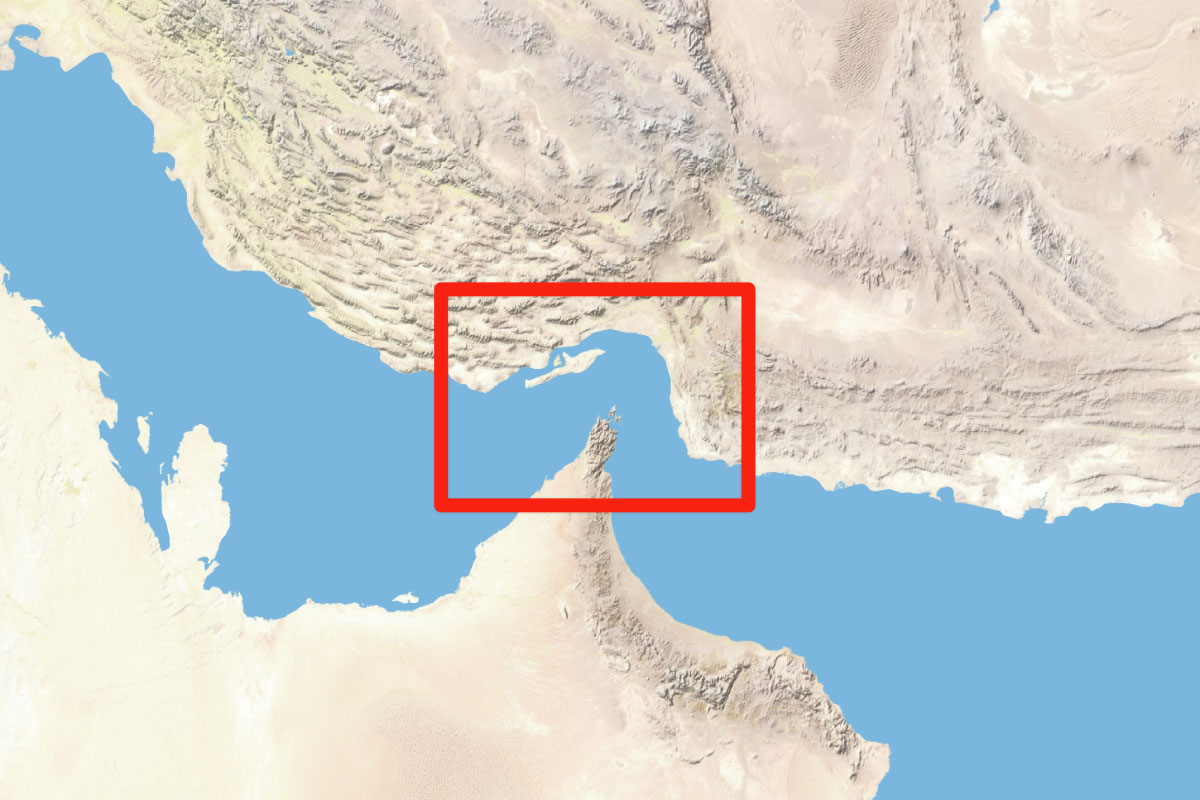
After a sharp escalation of tensions, Iran's parliament has approved a motion to close the Strait of Hormuz—one of the world's most critical oil arteries. The move follows the United States' deployment of six bunker buster bombs on Iran's Fordow nuclear site and coordinated strikes on two other nuclear facilities, igniting fears of a broader regional conflict and threatening up to 20% of the world's daily oil supply.
The final decision now lies with Iran's Supreme National Security Council, with an announcement expected before midnight, according to Iran's state-run Press TV. The narrow 20-mile-wide waterway, bordered by Iran, Oman, and the UAE, is responsible for transporting oil exports from six Gulf nations, including Saudi Arabia and Iraq. Any disruption could block nearly $1 billion worth of crude oil shipments per day.
Military analysts warn that Tehran's strategy is unlikely to resemble a traditional naval blockade. "Iran would most likely pursue a multi-layered asymmetric strategy," said Gregg Roman, Executive Director of the Middle East Forum. "They'd deploy naval mines, launch anti-ship missiles from mobile batteries, and use swarm tactics involving hundreds of fast attack boats."
The U.S. Fifth Fleet, stationed in the region, maintains continuous patrols. However, Iran's threats come at a time of heightened geopolitical complexity. China, the largest importer of Iranian oil and a staunch opponent of Western intervention, stands to lose significantly. Secretary of State Marco Rubio urged Beijing to intervene, stating on Fox News Sunday, "They heavily depend on the Strait of Hormuz for their oil."
Despite Iran's posturing, analysts remain skeptical of a prolonged closure. "Any closure attempt would be temporary and ultimately self-destructive," Roman said. "Tehran depends on the same strait for essential imports. Blocking it would cripple their economy and alienate allies like China."
The escalation began with Israeli strikes on Iran's nuclear facilities, prompting the U.S. to launch follow-up attacks on Natanz, Isfahan, and Fordow. Satellite imagery confirms substantial damage at Fordow, a facility shielded by mountains. Iranian Foreign Minister Abbas Araghchi denounced the strikes, calling them "lawless and criminal," and warned of "everlasting consequences."
Past actions offer insight into Iran's playbook. In 2022 and 2023, Iran seized Greek and U.S.-bound tankers. Meanwhile, Houthi-aligned forces, backed by Iran, disrupted Red Sea shipping by 70%, according to Clarkson Research Services.
With the region on edge, any closure of Hormuz, whether symbolic or actual, could ignite a global energy crisis with consequences stretching far beyond the Gulf.