

Photo Credit: Getty Images
What began as a niche toy figure in China has become an international obsession. Labubu, the mischievous, elf-like monster doll created by artist Kasing Lung, has captured hearts and wallets across the globe. From viral queues in Shanghai to boutique shelves in London and viral Instagram moments featuring Rihanna and Kim Kardashian, the toy has evolved from cult collectible to mainstream phenomenon.
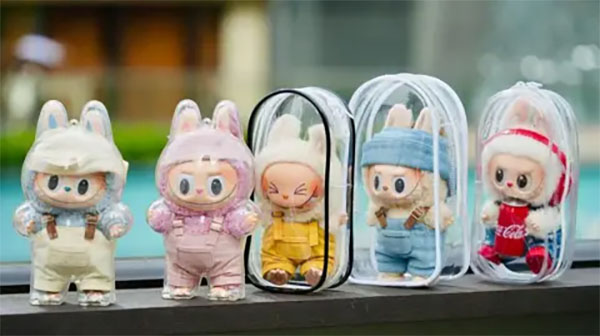
Labubu, characterized by its spiky ears, wide eyes, and signature nine-tooth grin, is part of the "The Monsters" series produced by Chinese toy company Pop Mart. What sets it apart is not only its curious design but also the emotional connection it evokes. Fiona Zhang, a devoted collector, described the sense of accomplishment she feels snagging a Labubu in competitive release drops. She is not alone. Thousands across continents have waited in line, scrambled for blind boxes, and even clashed in toy stores in their pursuit of the figure.
The toy's backstory and expanding universe also contribute to its appeal. Labubu is portrayed as well-meaning but accident-prone, a lovable chaos agent in a cast that includes characters like Zimomo and Tycoco. These characters have starred in multiple themed series such as "Big into Energy" and "Fall in Wild," each line further feeding the craze. Though the dolls may look similar to the untrained eye, dedicated fans can distinguish between editions and chase rare variations known as "chasers."
The global demand has led to unexpected developments. Chinese customs officials recently seized over 70,000 counterfeit Labubu dolls as the black market scrambled to cash in on the popularity. Pop Mart, which started in 2010 as a variety store in Beijing, now operates in more than 30 countries, including the US, UK, and Australia. Their unique marketing strategy—primarily blind-box vending machines—has become a defining feature. In 2024, nearly 40% of their revenue came from outside mainland China.
Social media undoubtedly played a key role in Labubu's ascent. Thai K-pop star Lisa flaunted her collection in April, followed by Rihanna and Kim Kardashian, the latter boasting a personal squad of ten dolls. Even David Beckham joined the trend after receiving one as a gift from his daughter.
Cultural analysts suggest the doll's rise reflects more than mere consumer appetite. Labubu may represent a new wave of Chinese soft power, embodying creativity and relatability in a form that transcends national boundaries. According to Xinhua, the toy's global success showcases "cool China," positioning cultural exports alongside electric cars and AI technologies.
Whether Labubu is cute or creepy depends on who you ask, but one thing is certain—it's not going anywhere. In the words of longtime collector Desmond Tan, shaking his next blind box in a Singapore store, "It's not just a toy. It's an experience."