

Photo Credit: Getty Images
Kenya has confirmed its first case of Ebola after a Kenyan citizen who had spent several years living in the Democratic Republic of Congo travelled to Nairobi and later tested positive for the virus.
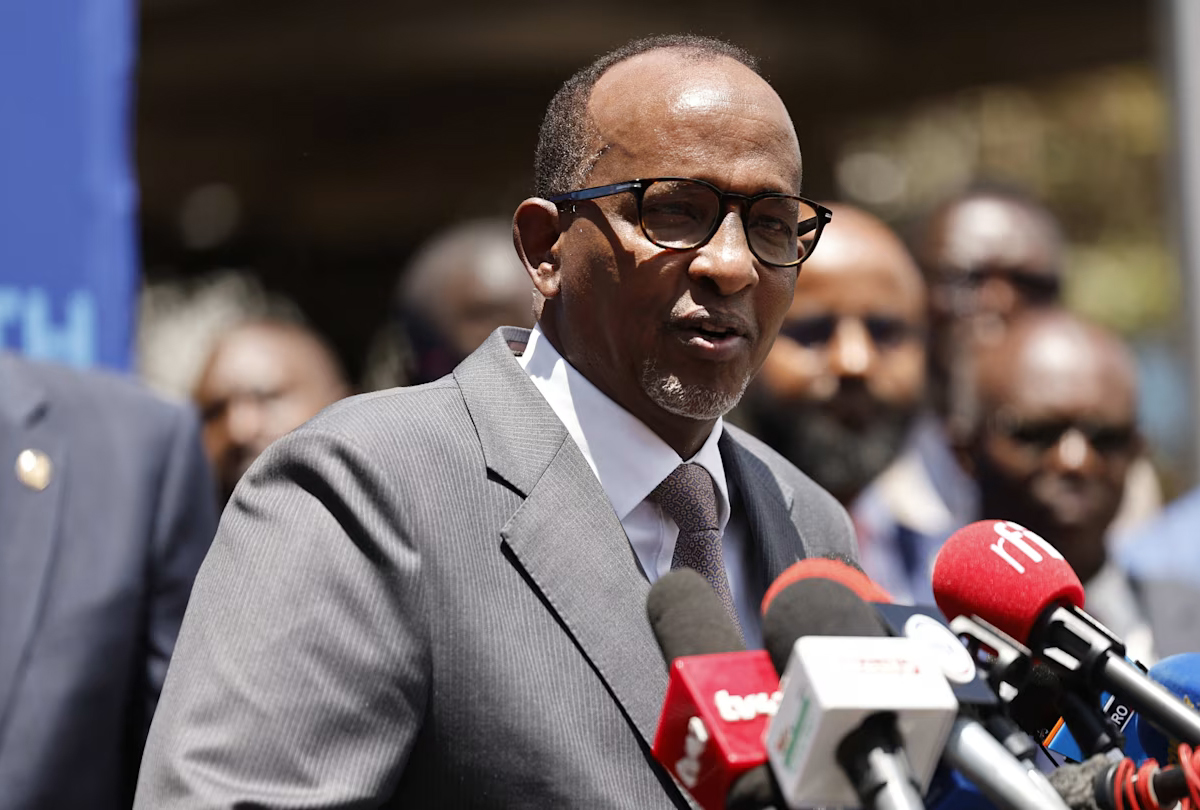
Health Minister Aden Duale said the patient had been ill for about a month and had received treatment at several hospitals in the Democratic Republic of Congo before travelling to Kenya.
The patient travelled by road from the Democratic Republic of Congo to Kampala, Uganda, before boarding a flight to Nairobi.
Upon arrival at the Kenyan capital, the patient underwent routine screening at the airport before being taken by a relative to a hospital in the city.
The patient was later transferred to an isolation facility established during the Covid 19 pandemic after doctors became concerned about the symptoms and travel history.
According to Duale, the patient developed fever, chills, severe fatigue and weakness, painful swallowing, muscle pain and bleeding beneath the skin.
Doctors suspected a viral haemorrhagic fever and collected samples for laboratory testing. The tests subsequently confirmed infection with the Ebola Bundibugyo virus.
The patient died at 23:30 on Monday, according to the health minister, with burial arrangements being made in accordance with public health safety protocols.
Authorities have identified at least 28 contacts, including relatives and healthcare workers, while efforts are continuing to trace another 23 passengers and four crew members who travelled on the same flight.
A senior health ministry official said the patient may have passed through airport screening because medication being taken at the time could have masked some symptoms.
Kenya had already introduced increased screening at airports and border points following the declaration of an Ebola outbreak in the Democratic Republic of Congo.
The confirmation of the Kenyan case comes amid a major Ebola outbreak in the neighbouring country. According to the World Health Organization figures provided, 4,082 deaths have been recorded among 8,463 cases, making it the largest recorded outbreak in the Democratic Republic of Congo.
The current outbreak has been linked to the Bundibugyo species of Ebola, which is relatively uncommon.
The virus spreads through contact with infected bodily fluids, including blood and vomit. There are currently four vaccines in development, with human trials for one candidate having begun in July.
Medical charity Médecins Sans Frontières has warned that the actual death toll in the Democratic Republic of Congo could be higher because of gaps in surveillance and testing.
The organisation has described the spread of the virus as extremely rapid, with new hotspots emerging in North Kivu.
Kenyan authorities have urged citizens not to panic while encouraging healthcare workers to maintain strict infection prevention and control measures.