

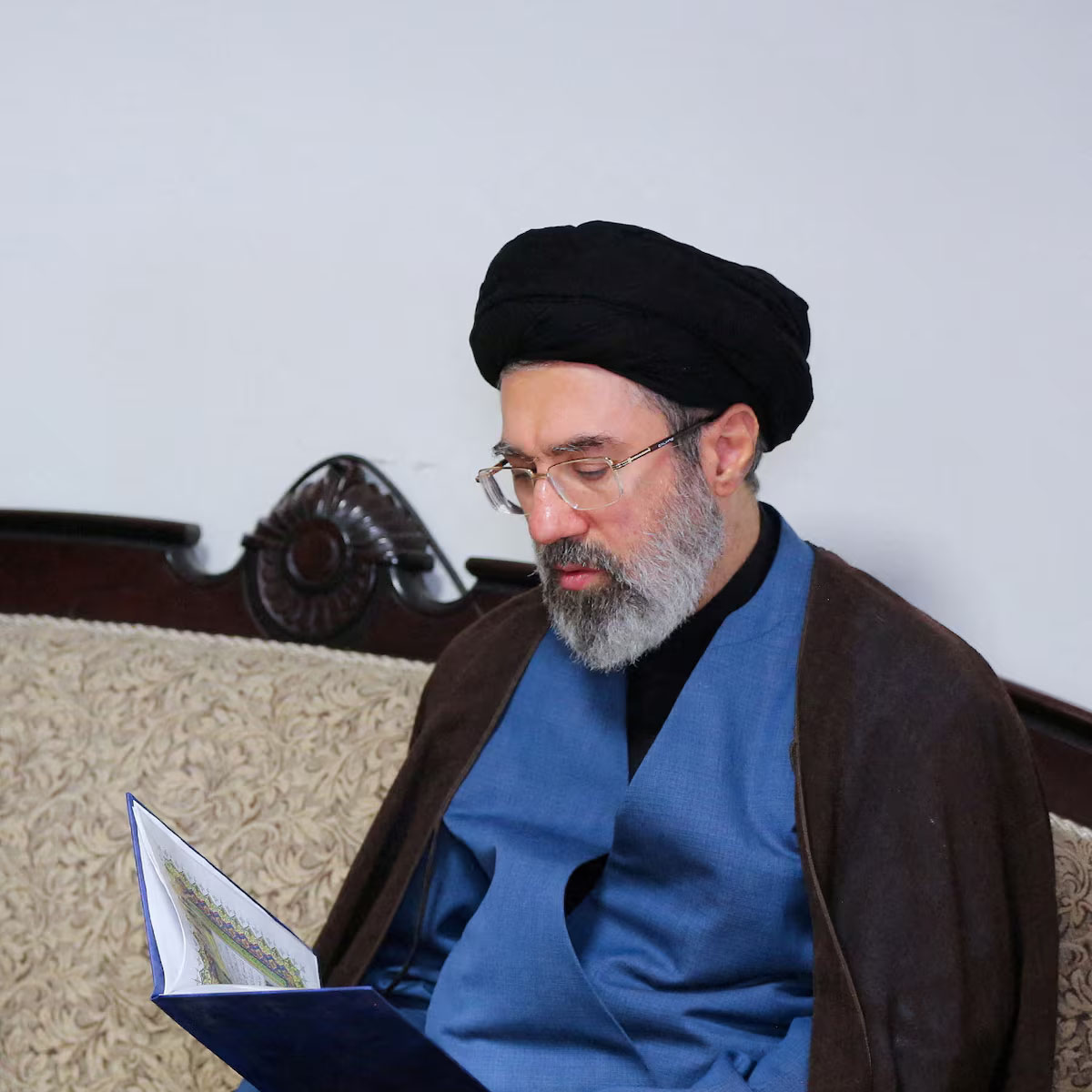
Photo Credit; Getty Images
Iran's newly installed supreme leader Mojtaba Khamenei said Thursday that the strategic Strait of Hormuz should remain closed, describing the move as a powerful lever against Iran's adversaries as regional tensions continue to intensify.
Speaking in televised remarks carried by Iranian state media, Khamenei said the closure of the narrow waterway, one of the world's most critical oil transit routes, was necessary to pressure countries backing the ongoing military campaign against Iran.
"The Strait cannot reopen while aggression continues," he said, adding that American military installations across the Middle East should shut down immediately or risk becoming targets.
The comments marked Khamenei's first public statement since he assumed Iran's highest political and religious office earlier this week following the assassination of his father, Ayatollah Ali Khamenei, during joint U.S. and Israeli strikes that devastated several key military sites.
Global energy markets reacted swiftly. Oil prices extended gains in early trading as fears grew that the prolonged disruption could choke a supply route responsible for roughly a fifth of the world's daily crude shipments.
Shipping through the strait has been severely limited since the conflict escalated, with tankers rerouting or halting voyages altogether amid mounting security threats and insurance concerns.
Iranian officials have warned that energy prices could surge dramatically if the blockade continues, with some analysts suggesting crude could climb toward the two hundred dollar mark if exports from the Gulf remain constrained.
Khamenei, long viewed as a more hardline figure within Iran's leadership circles, also vowed that the country would retaliate for those killed in recent strikes.
He urged Iranians to remain united, saying national resolve would determine how the conflict unfolds in the coming weeks.
Meanwhile, Washington signaled concern about the leadership change in Tehran. President Donald Trump said he was disappointed by the selection, warning that continued escalation could push the region deeper into instability.
Military analysts say air and naval strikes alone are unlikely to quickly force political change inside Iran soon without broader pressure.