

Photo Credit: Getty Images
President Donald Trump has called for the death penalty against the man accused of fatally stabbing a young Ukrainian refugee aboard a Charlotte light rail train, saying the crime was so brutal that “no other option” exists.
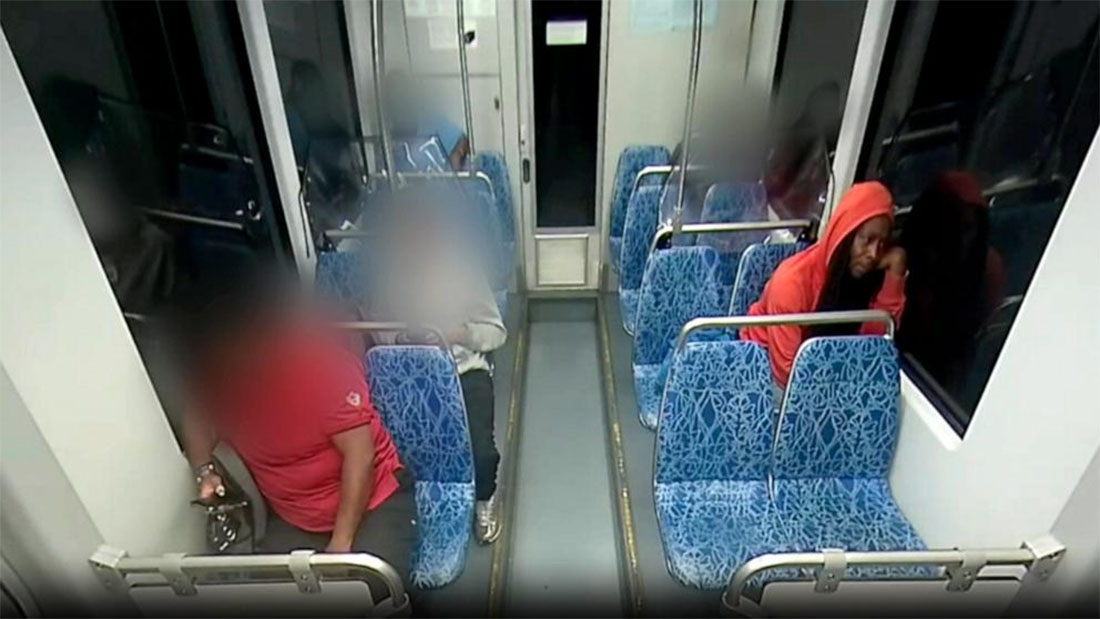
The victim, 23-year-old Iryna Zarutska, had fled the war in Ukraine and resettled in Charlotte, where she hoped to build a new life. On August 22, 2025, she boarded a Lynx Blue Line train. What should have been a routine ride ended in tragedy when she was suddenly attacked and stabbed to death in front of horrified passengers.
Police quickly identified and arrested 34-year-old Decarlos Brown Jr. He now faces first-degree murder charges in North Carolina and a federal charge of causing death on a mass transit system, an offense that carries the possibility of the death penalty or life in prison. Prosecutors have signaled their intent to pursue the harshest penalties available.
President Trump reacted with outrage after learning details of the attack. In a strongly worded post, he described Brown as an “animal” and called for swift justice, saying the suspect should face a quick trial and be sentenced to death.
The stabbing has shaken Charlotte and drawn national attention not only because of its brutality, but also because of Brown’s troubled history. Records show he had been arrested more than a dozen times and had longstanding mental health issues. Advocates argue the case highlights deep failures in the criminal justice and mental health systems, where repeated warnings went unaddressed until it was too late.
While Trump’s demand for the death penalty has resonated with supporters who view him as tough on crime, critics argue that presidential intervention risks politicizing the judicial process. Legal experts note that while the federal death penalty remains in place, public debate continues over its use and effectiveness.
For many, however, the focus remains on Zarutska’s story. Having escaped war in Ukraine, she sought safety and stability in the United States, only to have her life cut short in an act of senseless violence. Her killing has reignited discussions about public safety, mental health resources, and justice for victims of violent crime.