

Photo Credit:Getty Images
The U.S. Department of Agriculture (USDA) announced Wednesday evening that the New World Screwworm has been detected in the United States for the first time since 1966. The flesh-eating parasite, which feeds on warm-blooded animals, was found in a calf in Texas. The discovery follows a year-long advance of the parasite across Mexico, despite ongoing efforts by agricultural authorities to prevent it from crossing the U.S. border.
The case was confirmed in the town of La Pryor, Texas, approximately 30 miles (48km) from the southern US-Mexico border. Cattle ranchers in the US have been fearing an outbreak could shrink herds, reduce beef production and drive prices higher for consumers.
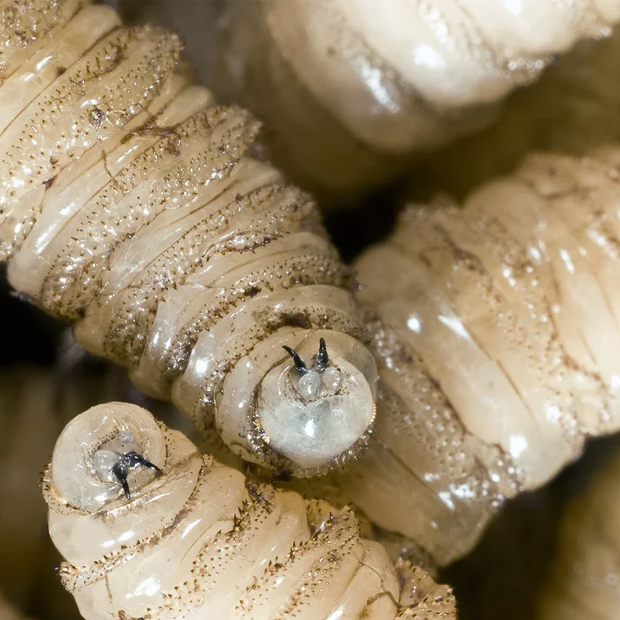
Screwworms are parasitic flies whose females lay eggs in open wounds and mucous membranes on animals. When the eggs hatch, hundreds of larvae burrow through living flesh with sharp mouths, eventually killing their host if left untreated.
NWS can infest people and pets as well, but the risk to humans is low, and human cases of screwworm are rare. The fly poses no food safety issues.
This first case in 60 years was detected in a three-week-old calf, with the larvae found in its umbilical area.
The movement of infested animals is the most common way they spread, so the USDA and Texas authorities are establishing a 20km (12.4 miles) detection and quarantine zone.
Plans are also in motion to release millions of sterile screwworm flies, as the females only mate once in their lifetime, and any eggs they lay will be unfertilised and will not hatch.
The USDA has been preparing for a possible outbreak for some time, and they say efforts have delayed the parasite's arrival by a year.
Agriculture Secretary Brooke Rollins assured ranchers that USDA personnel have already arrived in South Texas to support operations. She called on livestock producers to be vigilant.