

Photo Credit; Getty Images
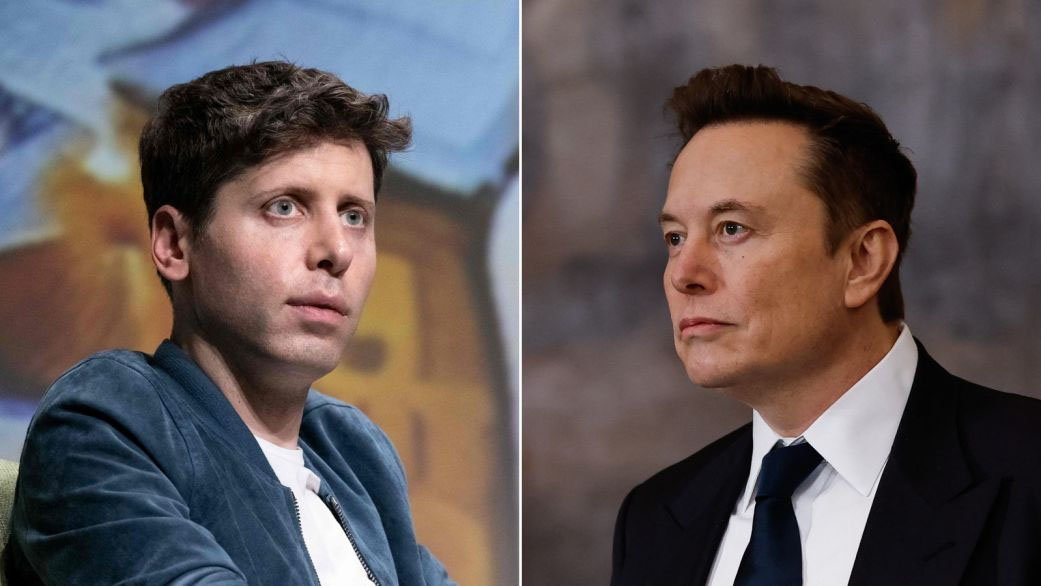
The escalating legal battle between Elon Musk and Sam Altman is beginning to peel back the layers of tension that shaped OpenAI, with internal documents and testimony offering a rare look inside one of the world's most influential AI firms.
At the center of the dispute is Musk's claim that OpenAI abandoned its founding nonprofit mission in favor of profit and scale. The company, now backed by Microsoft, denies wrongdoing and argues that Musk was involved in early discussions around its structural shift.
Early courtroom disclosures point to friction dating back years. Private notes and messages suggest disagreements over leadership, control, and the company's long-term direction, with some insiders questioning Musk's influence even as OpenAI was still in its formative stages.
Musk, who left the board in 2018, alleges he was sidelined as OpenAI transitioned into a for-profit model in 2019. His lawsuit seeks substantial damages and sweeping governance changes, including a return to nonprofit oversight. He has also accused the company of leveraging his early support to build what he describes as a commercially driven enterprise.
OpenAI has pushed back forcefully, framing the case as a dispute rooted in control rather than principle. The company says Musk not only understood the transition but at one point sought a more dominant leadership role. It has also linked the lawsuit to his competing AI ambitions.
The trial comes at a critical juncture for the AI sector. OpenAI is navigating rapid expansion, rising competition, and potential plans for a public offering, even as scrutiny around artificial intelligence continues to grow.
Key figures, including Musk and Altman, are expected to testify, potentially shedding further light on the decisions that transformed OpenAI from a research-focused nonprofit into a global technology powerhouse.
Beyond the courtroom, the case underscores a broader divide over the future of AI—whether it remains anchored in public-interest ideals or evolves into a space increasingly defined by capital, competition, and control.