

Photo Credit: Getty Images
John Frieda built a global beauty business by turning a familiar hair problem into a defining innovation. The British hairstylist and entrepreneur became widely recognised for Frizz Ease, the anti-frizz serum that helped transform the haircare market and establish his name among the industry's most influential figures.
Born Alan Howard Frieda in London in 1951, he grew up in a family with deep roots in hairdressing. His father was a hairdresser and his grandfather a barber. He adopted the name John after joining the renowned House of Leonard, where another employee was already called Alan.
From the late 1960s, Frieda worked as an assistant to salon owner Leonard Lewis, styling hair for prominent figures including Mick Jagger, Twiggy and Jackie Kennedy Onassis.
In 1976, he opened his own salon in London's West End. That same year, he created the distinctive "Purdey" haircut for actor Joanna Lumley, who wore the style in the television series The New Avengers. The look became one of his early signature achievements.
Frieda's celebrity clientele expanded during the 1980s. He worked with Princess Diana, Madonna and Paul McCartney, while also styling for television productions and fashion editorials. He later opened a second salon in Mayfair.
Despite his success, Frieda eventually sought a new challenge beyond salon work. In 1989, he partnered with beauty entrepreneur Gail Federici to launch John Frieda Professional Hair Care.
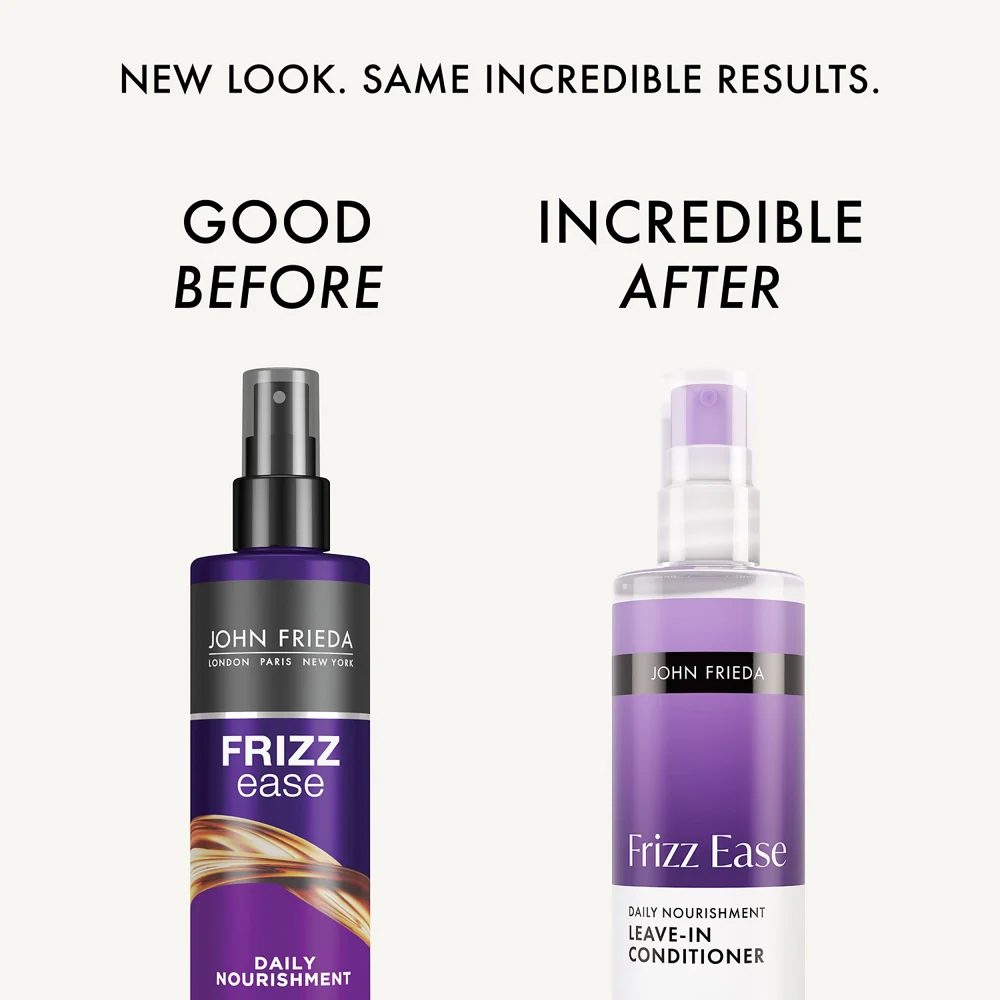
The brand's breakthrough product was Frizz Ease, an anti-frizz serum designed to smooth hair after shampooing. First introduced in the United Kingdom, the product launched more widely in 1990 and helped establish a new category of haircare products focused on managing frizz.
The success of Frizz Ease allowed the company to expand its range, including products designed for specific hair colours. Its Sheer Blonde line, introduced in 1998, became another popular offering.
Frieda also expanded his salon business into the United States, opening locations in New York and Los Angeles during the 1990s.
In 2002, Frieda and Federici sold their company to Japanese cosmetics and chemical firm Kao Corporation for US$450 million. The sale cemented Frieda's status as a successful entrepreneur. His wealth was later estimated at approximately US$202 million by the Sunday Times Rich List.
Frieda's influence extended beyond celebrity styling. By combining professional salon expertise with products designed for everyday consumers, he helped make specialised haircare more accessible and changed how people approached frizz, shine and hair texture.
His career stands as an example of how technical skill, commercial ambition and an understanding of consumer needs can turn a salon innovation into a lasting international brand.