

Photo Credit: Getty Images
With the boom in artificial intelligence (AI) straining global energy resources, Rolls-Royce believes its nuclear reactors could provide a sustainable power source, potentially making the company the UK's most valuable, its CEO has said. The engineering firm has already signed agreements to supply small modular reactors (SMRs) to the UK and Czech governments.
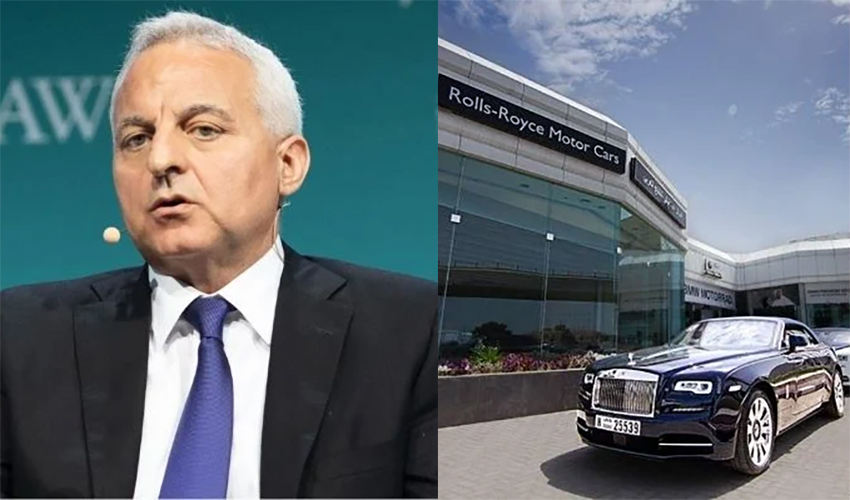
Rolls-Royce chief executive Tufan Erginbilgic said in an interview that the company has the "potential" to become the UK's highest-valued company by overtaking the largest firms on the London Stock Exchange thanks to its SMR deals.
"There is no private company in the world with the nuclear capability we have. If we are not market leaders globally, we did something wrong," he said.
Mr Erginbilgic has overseen a ten-fold increase in Rolls-Royce's share price since taking over in January 2023. However, he has ruled out the idea of Rolls-Royce seeking to list its shares in New York as British chip designer Arm has done and the likes of Shell and AstraZeneca have considered in the search for higher valuations.
This is despite the fact that 50% of its shareholders and customers are US-based.
"It's not in our plan," said Mr Erginbilgic, a Turkish energy industry veteran. "I don't agree with the idea that you can only perform in the US. That's not true and hopefully we have demonstrated that."
Rolls-Royce already supplies the reactors that power dozens of nuclear submarines. Mr Erginbilgic said the company has a massive advantage in the future market of bringing that technology on land in the form of SMRs.
SMRs are not only smaller but quicker to build than traditional nuclear plants, with costs likely to come down as units are rolled out.
He estimates that the world will need 400 SMRs by 2050. At a cost of up to $3bn (£2.2bn) each, that's another trillion dollar-plus market he wants and expects Rolls-Royce to dominate.
The company has signed a deal to develop six SMRs for the Czech Republic and is developing three for the UK.
But it remains an unproven technology. Mr Erginbilgic conceded he could not currently point to a working SMR example but said he was confident in its future potential.






